
Lionel Messi Retires From International Football After Argentina’s 2026 World Cup Final Defeat
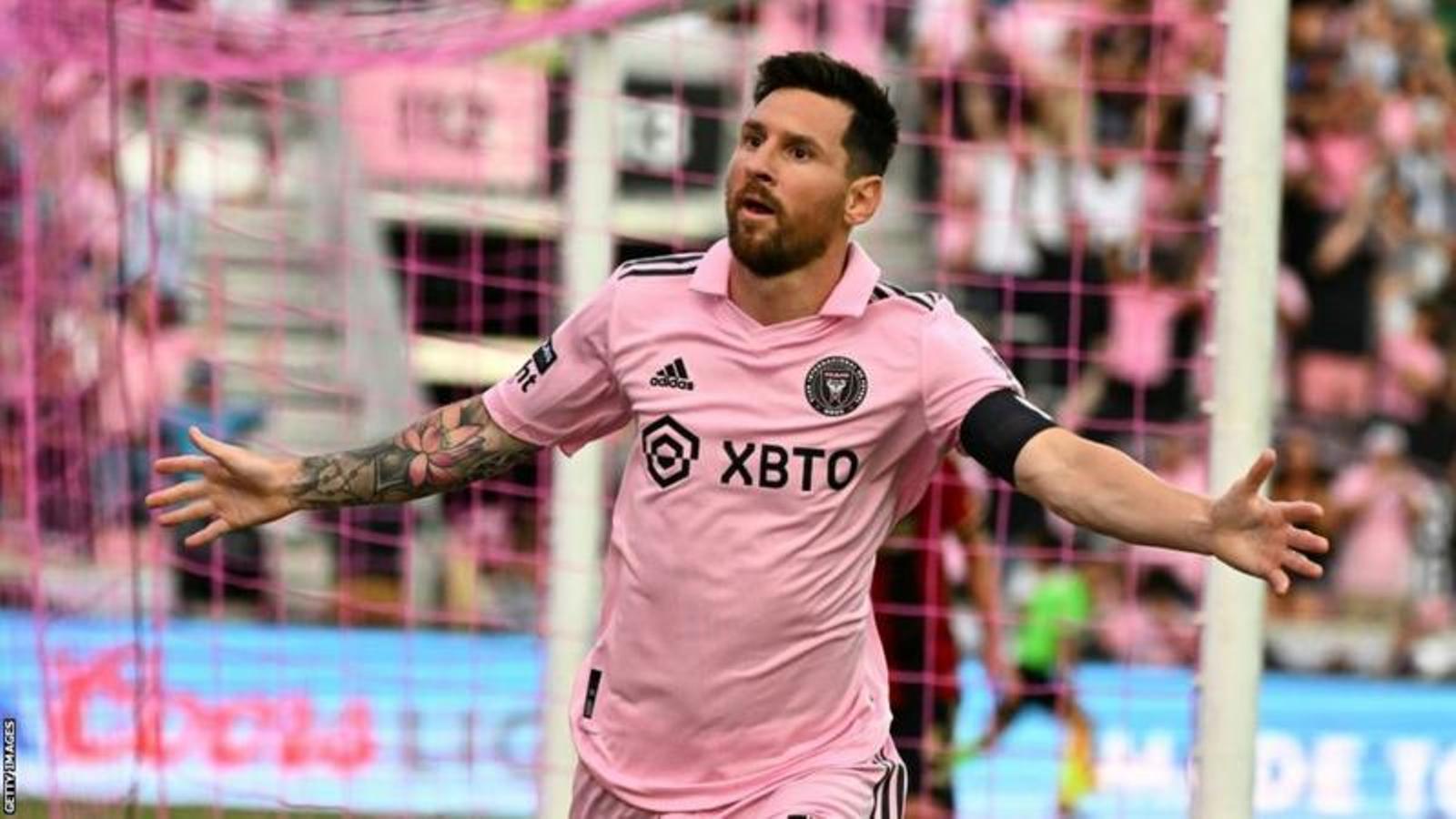
Lionel Messi has ended his international football career at the age of 39, bringing down the curtain on more than two decades with Argentina after the country’s defeat to Spain in the 2026 FIFA World Cup final.
The Argentina captain announced his decision on Monday, August 31, saying the time had come to step away from the national team. Messi had written his farewell message shortly after Argentina’s 1-0 defeat to Spain in the World Cup final on July 19, but waited before making the announcement public.
Messi leaves the national team as Argentina’s record appearance-maker and leading scorer, with 207 appearances and 125 goals. He also finishes his international career as an eight-time Ballon d’Or winner and one of the most decorated players in football history.
His final World Cup campaign ended in heartbreak as Spain defeated Argentina 1-0 after extra time in New York/New Jersey. Ferran Torres scored the decisive goal in the 106th minute, denying Argentina the chance to defend the title Messi helped them win in Qatar in 2022.
Messi’s relationship with Argentina’s national team was once marked by major disappointment. After losing several international finals, he briefly retired from international football in 2016 before returning. His comeback eventually produced the major honours that had eluded him, including the 2021 Copa América, the 2022 World Cup and the 2024 Copa América.
Explaining his decision, Messi said he had given everything he could to the national team and believed a new generation of Argentine players deserved an opportunity. He also thanked supporters, teammates, coaches and his family for standing by him throughout his career.
The decision was further reinforced by the death of his father, Jorge Messi, who died aged 68 on August 8. Messi said the loss strengthened his conviction that it was time to close the chapter with Argentina.
Messi’s retirement from international football does not mean the end of his playing career. He is expected to continue playing club football with Inter Miami, while his legacy with Argentina remains firmly established after a career that transformed him from a player criticised for his early international disappointments into one of the country’s greatest football icons.
Latest Video
EL CLÁSICO PREVIEW BARCELONA vs REAL MADRID | YAMAL vs MBAPPÉ — WHO WINS?
Follow OtownGist Sports
Get the latest stories, videos and conversations directly on the platforms you use.