Former Fidelity Bank chairman Mustafa Chike-Obi has criticised Atiku Abubakar’s proposal to restore Nigeria’s petrol subsidy, warning that the policy could put heavy pressure on the country’s foreign exchange resources.
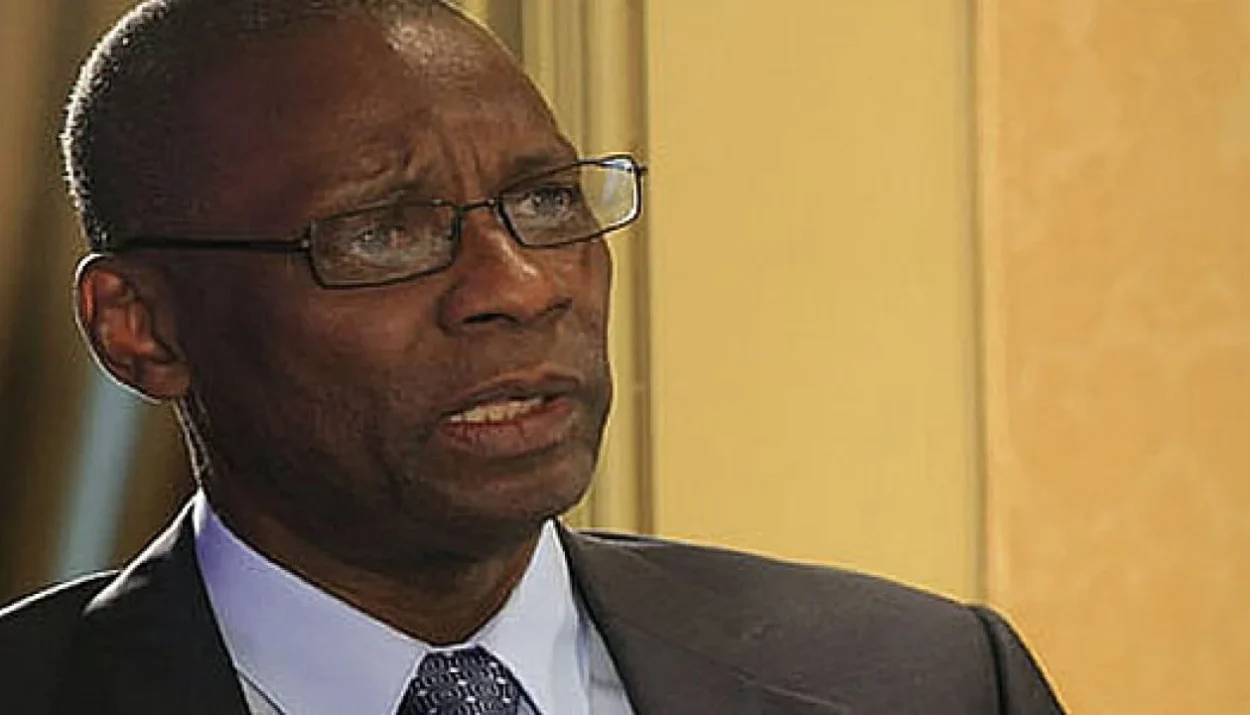
Chike-Obi, a former chief executive of the Asset Management Corporation of Nigeria (AMCON), described the proposal as “extremely naive” during the Policy Without Politics podcast, which he co-hosts with Ken Ikpe, CEO of Graviti Hill Limited.
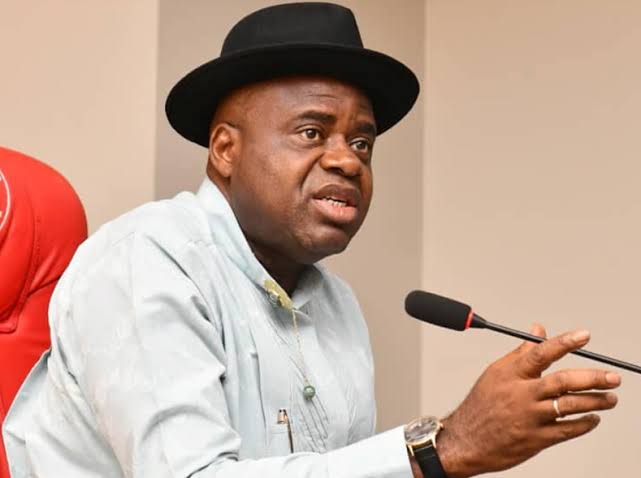
Atiku, the presidential candidate of the African Democratic Congress (ADC), said on August 19 that he would restore the petrol subsidy if elected president in 2027. He also accused President Bola Tinubu’s administration of failing to properly account for the savings from the subsidy removal.
Chike-Obi argued that subsidising petrol would mean selling a valuable commodity below its market value while exposing the government to significant financial losses. Using an example of crude oil sold internationally at $100 per barrel but effectively supplied domestically at $50, he said such a policy would amount to giving up a major share of Nigeria’s foreign exchange value.
He also warned that a renewed subsidy regime could encourage the smuggling of cheaper Nigerian petrol into neighbouring countries. The government, he said, would have to introduce price controls and spend heavily monitoring suppliers and preventing subsidised fuel from being diverted across the borders.
Chike-Obi acknowledged that the previous system, in which the Nigerian National Petroleum Company Limited bought petrol and sold it at controlled prices, was more efficient in some respects. However, he argued that the model remained unsustainable and did not solve the underlying problems created by subsidy.
Rather than subsidising petrol for everyone, Chike-Obi proposed targeted support for poorer Nigerians through vouchers. He said an income test could be used to identify eligible households and provide them with assistance, although he admitted that the voucher system would also have limitations.
Ken Ikpe backed the continuation of the current approach, arguing that government policies should be improved rather than repeatedly abandoned. He called for greater policy consistency, suggesting that weaknesses in existing reforms should be addressed instead of reversing them after a few years.