
2027 Imo Governorship: Why Ikedi Ohakim Is Returning to the Centre of Succession Debate
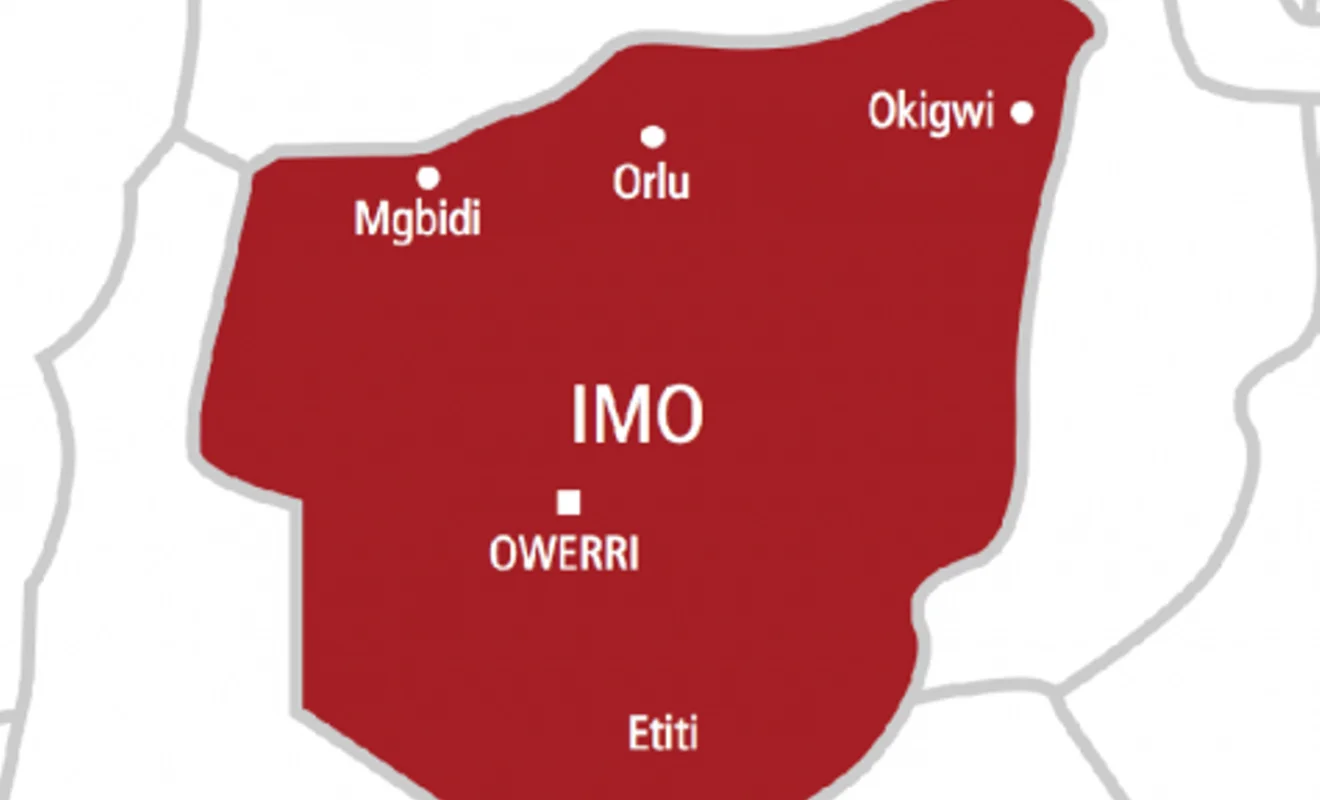
As discussions intensify over who should succeed Governor Hope Uzodimma in 2027, the debate is increasingly shifting beyond political zoning and regional calculations to questions of continuity, stability, and governance.
While many stakeholders remain focused on which senatorial zone should produce the next governor, supporters of former Imo State Governor, Dr. Ikedi Ohakim, argue that the conversation should center on leadership capacity, institutional memory, and the ability to sustain ongoing development projects.
A growing section of political observers believes that the issue of equity cannot be separated from the history of governance in the state. They point to the interruption of Okigwe Zone’s tenure in Government House following the 2011 election, a development that continues to influence conversations around power rotation and fairness in Imo politics.
Advocates of this position insist that any genuine discussion about equity must acknowledge what they describe as a political imbalance that emerged after the end of Ohakim’s administration. For them, the debate is not solely about geography but about addressing unfinished political expectations.
Beyond the zoning argument, attention has also turned to the need for continuity in governance. Governor Hope Uzodimma’s administration has undertaken major infrastructure projects, institutional reforms, and initiatives aimed at improving investor confidence in the state. As the administration gradually approaches its final phase, questions are emerging about who can effectively consolidate those gains.
Supporters of Ohakim argue that his previous experience as governor places him in a unique position to understand the demands of state leadership and the importance of policy continuity. They say his record demonstrates a willingness to support development efforts regardless of political differences, a quality they believe is essential for sustaining progress.
Several policy initiatives introduced during Ohakim’s administration are also being revisited in current political discussions. Projects and programmes such as the Imo Road Maintenance Agency (IRROMA), healthcare reforms, employment initiatives, and industrial development plans are increasingly cited by supporters as examples of ideas that were ahead of their time and have gained relevance years later.
As political consultations continue ahead of the 2027 governorship race, analysts say the emerging conversation reflects a broader concern among many Imo residents: ensuring that future leadership builds on existing achievements rather than restarting development efforts with every change in administration. Whether that debate ultimately benefits Dr. Ikedi Ohakim or another aspirant remains to be seen, but his name has undoubtedly returned to the forefront of discussions about Imo’s political future.