Hundreds of people abducted by Boko Haram militants in Borno State have regained their freedom after months in captivity, but conflicting accounts have emerged over how the hostages were released.
Nigerian military authorities say troops carried out a carefully planned rescue operation at a Boko Haram hideout in the Mandara Mountains, while a local advocacy group insists it negotiated the captives’ unconditional release.
The victims were among residents of Ngoshe, a predominantly Muslim community near Nigeria’s border with Cameroon, who were kidnapped during a Boko Haram attack in March.
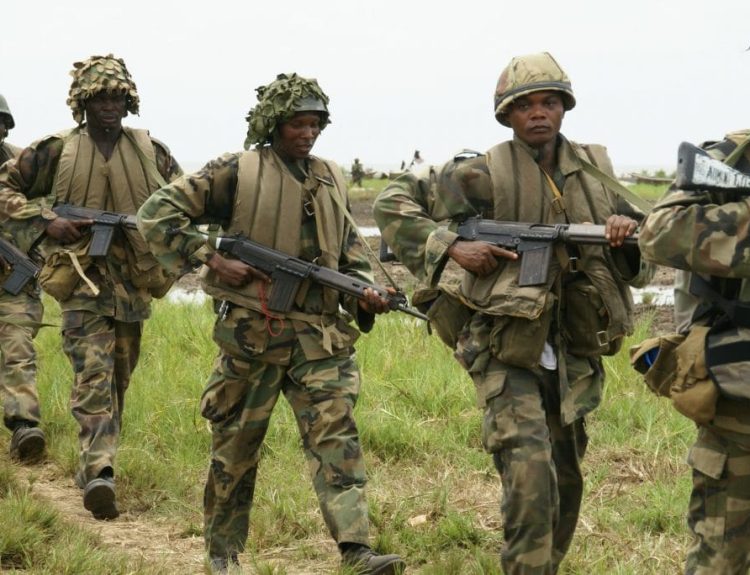
According to military spokesperson Lt-Col Haruna M. Sani, troops launched a major intelligence-driven operation under the cover of darkness after weeks of surveillance and planning.
He described the mission as one of the military’s most significant hostage rescue efforts in the North-East, saying the operation caught the insurgents off guard.
“Faced with the speed, precision, and overwhelming combat power of the advancing troops, several insurgents abandoned their positions and fled into surrounding mountainous terrain, while others surrendered,” Sani said.
However, the Borno South Youth Alliance (BOSAYA) has challenged the military’s account. The group’s president, Samaila Kaigama, claimed local mediators had been engaging with the militants and were instrumental in securing the captives’ release.
Kaigama alleged that government officials were taking credit for efforts led by community actors. According to the group, a total of 416 people were freed, a figure higher than the military’s estimate of more than 360 hostages.
Authorities confirmed that the rescued victims are receiving medical attention and support following their release. However, the operation was not without tragedy.
Daniel Bwala, Special Adviser to President Bola Tinubu, disclosed that two infants died due to exhaustion caused by prolonged captivity and the difficult terrain encountered during the rescue process.
The freed hostages were abducted when Boko Haram fighters reportedly attacked the Ngoshe area as residents were observing Ramadan. The assault triggered widespread fear and renewed concerns about the security situation in northeastern Nigeria.
Officials have also indicated that some residents who fled during the attack may have crossed into neighbouring Cameroon. Efforts are reportedly underway to facilitate their safe return.
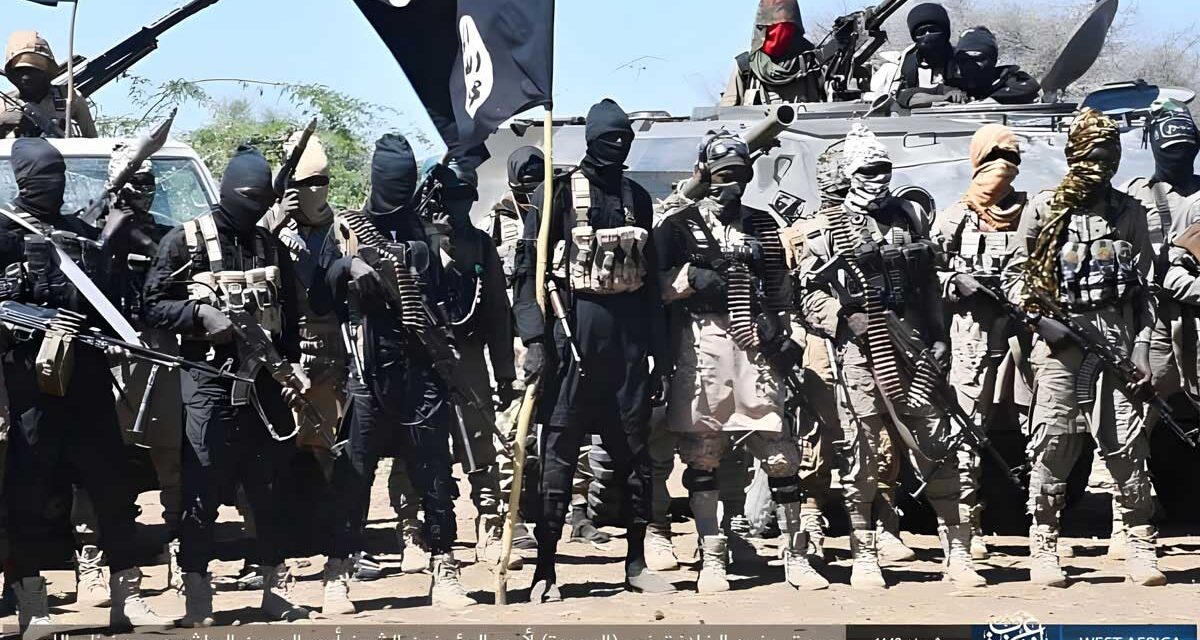
Boko Haram launched its insurgency in 2009 with the aim of imposing strict Islamic rule in parts of northern Nigeria. Although the group no longer controls vast territories as it once did, it remains active alongside several splinter factions that continue to carry out deadly attacks and abductions.
Mass kidnappings have become a recurring security challenge across Nigeria, with armed groups targeting schools, villages, religious centres and travellers. Security analysts say ransom payments, despite being illegal, have encouraged the growth of kidnapping networks across the country.
The release of the hostages comes amid increasing pressure on the Nigerian government to address insecurity, which remains one of the country’s most pressing challenges.