
Iran Strikes Qatar LNG Facility, Global Gas Prices Surge as Trump Issues Stark Warning
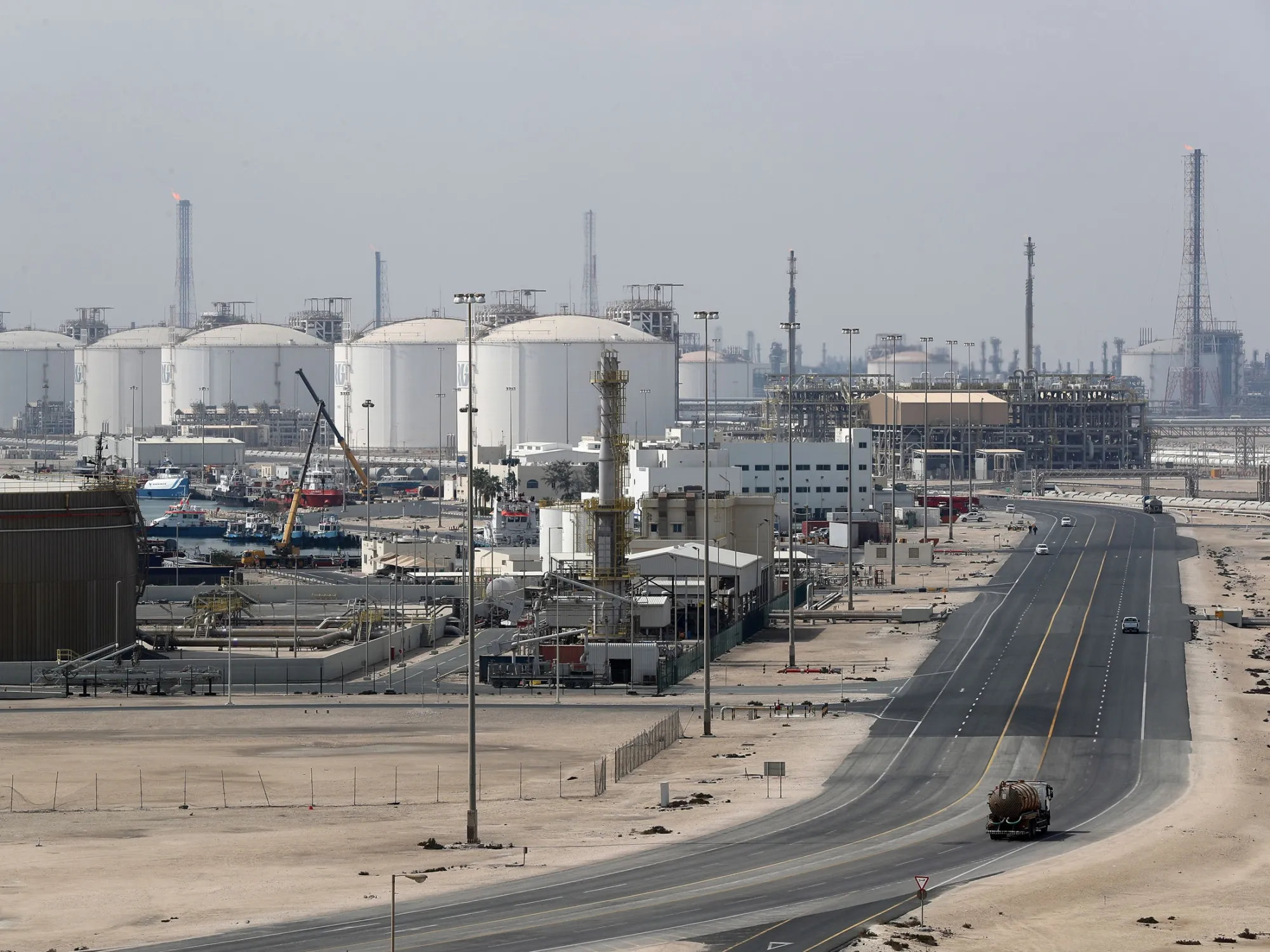
Qatar has reported extensive damage to its Ras Laffan liquefied natural gas facility, the largest LNG hub in the world, following Iranian strikes that have raised fresh concerns over global energy supplies and intensified tensions in the Middle East conflict.
The attack was carried out in retaliation for an Israeli strike on Iran’s South Pars gas field, part of the world’s largest natural gas reserve shared with Qatar. State-owned QatarEnergy said two waves of Iranian strikes triggered significant fires and caused widespread damage across sections of the facility.
The escalation has sent shockwaves through global energy markets, with oil prices rising by about five percent and European gas prices surging by as much as 35 percent amid fears of supply disruptions. Analysts warn the impact could be long-lasting, particularly as the conflict shifts towards direct attacks on energy production infrastructure.
United States President Donald Trump reacted sharply, warning Iran to halt further attacks on Qatar or face severe consequences. In a social media post, he said Washington had no prior knowledge of the Israeli strike on South Pars, describing Iran’s response as an act of anger. He added that further Iranian attacks could prompt the United States to take decisive action against the gas field.
Qatar, one of the world’s leading LNG exporters alongside the United States, Australia and Russia, has been increasingly drawn into the conflict. Its Ras Laffan facility has faced repeated threats since the war began, while tanker movements through the Strait of Hormuz have slowed significantly due to security risks, disrupting a vital route that carries a substantial share of global oil and gas supplies.
Regional tensions have continued to escalate, with Kuwait reporting drone attacks on two oil refineries and Saudi Arabia intercepting drones targeting energy infrastructure in its eastern region. Both countries signalled readiness to respond to any further threats.
The conflict, which began on February 28 following coordinated attacks by the United States and Israel on Iran, has expanded rapidly across the region. Iranian retaliatory strikes have targeted Israel and allied interests, while several Gulf nations have condemned attacks on critical energy infrastructure, warning of serious implications for global energy security.
China also criticised the killing of senior Iranian figures during the conflict, describing such actions as unacceptable. Iran’s new supreme leader, Mojtaba Khamenei, has vowed retaliation, warning that those responsible for the deaths of Iranian leaders would be held accountable.
Casualties have continued to rise across multiple fronts. Reports indicate thousands of deaths in Iran, although the figures remain unverified, while missile strikes have also caused fatalities in Israel and the occupied West Bank. In Lebanon, Israeli air strikes in Beirut have killed several people as clashes with Hezbollah intensify, forcing residents to flee affected areas.
The widening conflict and direct targeting of key energy facilities have heightened fears of prolonged instability in global oil and gas markets, with analysts warning that the economic effects could be felt for years if the situation continues to deteriorate.