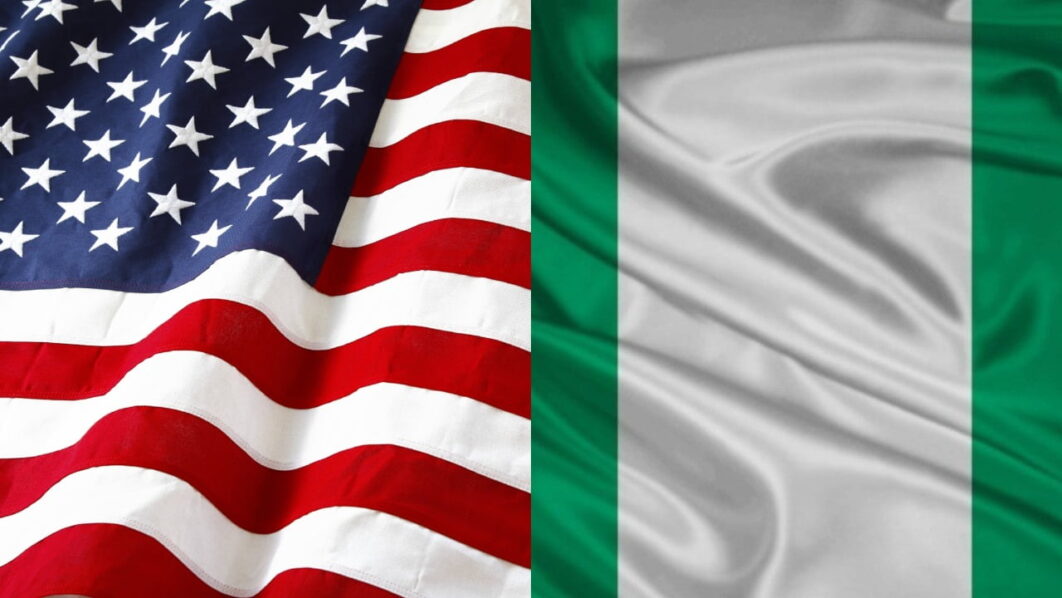
Diplomatic tensions are building between Abuja and Washington after the United States imposed sanctions on eight Nigerians accused of having ties to extremist groups, including Boko Haram and the Islamic State of Iraq and the Levant (ISIL).
The measures were announced by the United States Department of the Treasury through its Office of Foreign Assets Control (OFAC), the agency responsible for enforcing US sanctions programmes. In a statement, OFAC said the action was taken “with respect to Specially Designated Nationals and other persons whose property is blocked to assist the public in complying with the various sanctions programme administered by OFAC.”
The development comes amid mounting pressure from members of the US Congress, who have called for visa bans and asset freezes against certain Nigerians and organisations over alleged violations of religious freedom. Among those reportedly recommended for sanctions were former Kano State Governor Rabiu Musa Kwankwaso, the Miyetti Allah Cattle Breeders Association of Nigeria (MACBAN), and Miyetti Allah Kautal Hore. However, their names did not appear in the latest OFAC designation.
Some US lawmakers have described Nigeria’s insecurity crisis as evidence of what they term a “Christian genocide.” Nigerian authorities and several observers strongly dispute that characterisation, arguing that victims of insurgent violence include both Muslims and Christians and that the conflict is far more complex than a single religious narrative.
The growing scrutiny from Washington previously led to Nigeria being placed on a religious freedom watchlist, raising concerns in Abuja about the implications for bilateral relations.
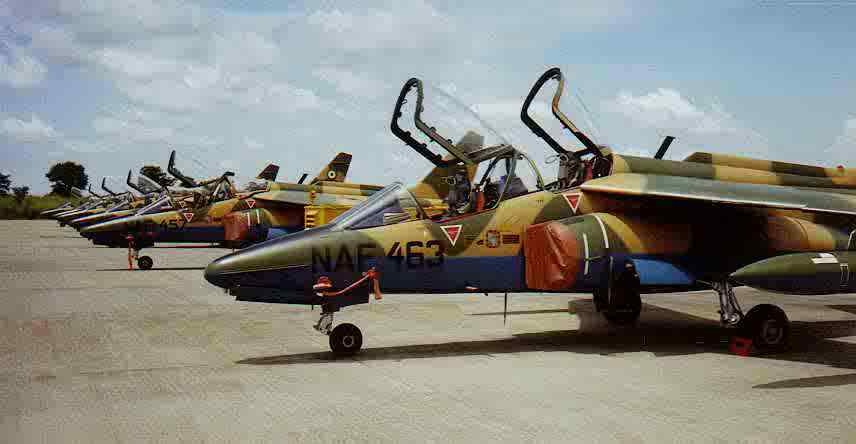
Security cooperation between both countries has intensified in recent months. American forces carried out airstrikes targeting suspected extremist camps in Sokoto State on Christmas Day last year, reportedly with Nigeria’s cooperation. The United States has also deployed military personnel to assist with training and equipment aimed at strengthening Nigeria’s counter-terrorism operations.
Nigeria’s National Security Adviser, Nuhu Ribadu, led a delegation to Washington to engage US officials on the evolving security partnership, underscoring Abuja’s willingness to collaborate in tackling terrorism.
However, the latest sanctions have reignited debate within Nigeria over national sovereignty and the extent of foreign involvement in domestic affairs. Critics argue that some of Washington’s actions reflect insufficient sensitivity to Nigeria’s political landscape and raise questions about due process when high-profile individuals are publicly linked to terrorism allegations.
Calls are now emerging for the federal government to review its engagement strategy with the United States to ensure that cooperation on security does not undermine Nigeria’s sovereignty. While Abuja continues to welcome international support in combating insurgency, officials maintain that such partnerships must be conducted with mutual respect and adherence to diplomatic norms.