
Imo Govt Cracks Down on Exam Fraud, Bans ‘Sorting’ and Illegal School Fees in Sweeping Education Reforms
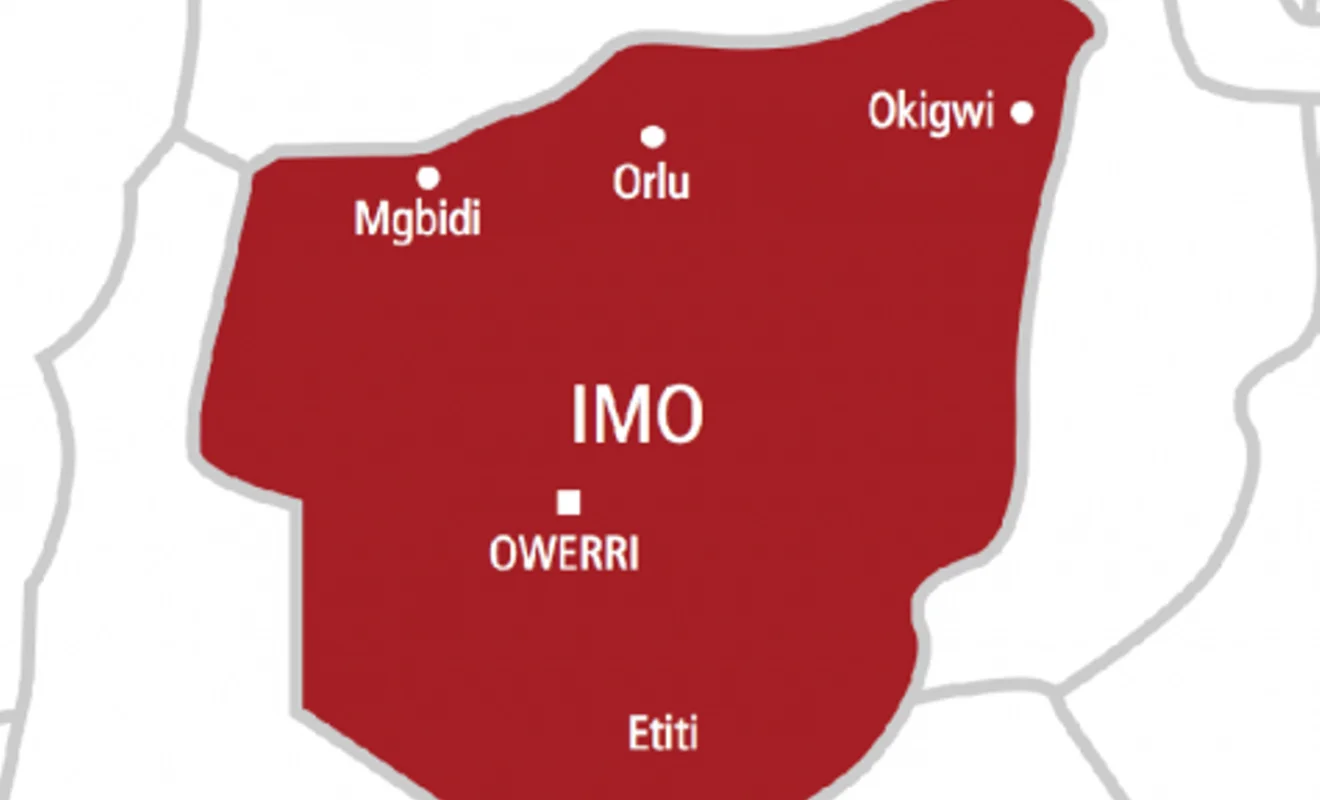
The Imo State Government has launched a sweeping crackdown on examination malpractice and financial extortion in secondary schools, targeting practices locally known as “sorting” as part of a wider education sector reform drive.
The policy was announced by the Commissioner for Education (Primary and Secondary), Prof. B.T.O. Ikegwuoha, who warned that the state would no longer tolerate manipulation of exam results or illegal financial demands within schools.
“Sorting,” a widespread practice in some schools, involves students or parents offering money, gifts, or favours to influence examination results or academic outcomes. Authorities say the practice has undermined fairness and academic integrity for years.
Prof. Ikegwuoha confirmed that enforcement actions are already underway, stressing that the government is committed to restoring credibility in the education system.
“A strict crackdown on examination malpractice, including the illicit ‘sorting’ of results by secondary school students and parents, is ongoing,” he said.
Beyond exam fraud, the commissioner also exposed cases of extortion allegedly carried out by school principals, including demands for money and materials such as shovels and cutlasses as conditions for admission.
He described such practices as illegal and unacceptable, adding that he personally uncovered them during undercover visits to schools across the state.
“I have gone on undercover visits to schools and discovered rampant illegal cash collections by principals, including extortionate charges and demands for commodities like shovels and cutlasses,” he said. “These practices have been banned with immediate effect.”
To strengthen accountability, the government has introduced a public reporting system, including dedicated phone lines for parents and citizens to report misconduct in schools.
The ministry also confirmed a broader enforcement campaign targeting illegal private schools operating without approval, many of which reportedly function from residential buildings.
A joint monitoring team made up of education regulatory departments has been deployed to shut down non-compliant institutions and compel others to meet official standards.
According to the commissioner, some schools have already been closed, while others are undergoing regularisation processes to align with state requirements.
Ikegwuoha added that the reforms are already showing results, claiming improvements in academic performance and reduced examination malpractice across the state.
He highlighted the clampdown on so-called “miracle centres” as a major factor behind improved integrity in internal and external examinations.
The state also credited ongoing teacher training programmes and continuous assessment reforms with boosting learning outcomes and raising pass rates in national examinations.
In addition to enforcement measures, the ministry is introducing digitised systems for the release of examination results to improve transparency and reduce manipulation.
The government also reaffirmed its ban on graduation ceremonies for kindergarten, nursery, and junior secondary school levels, stating that pupils in primary and junior classes must not be made to contribute financially to such events.
Similarly, the ban on frequent textbook changes remains in force, aimed at reducing financial pressure on parents.
Prof. Ikegwuoha warned that any private school found violating these regulations risks severe sanctions, including licence revocation, delisting, and declaration as illegal or unapproved.