
Senate Backs Tinubu, Approves Troop Deployment as Benin Republic Recovers from Failed Coup
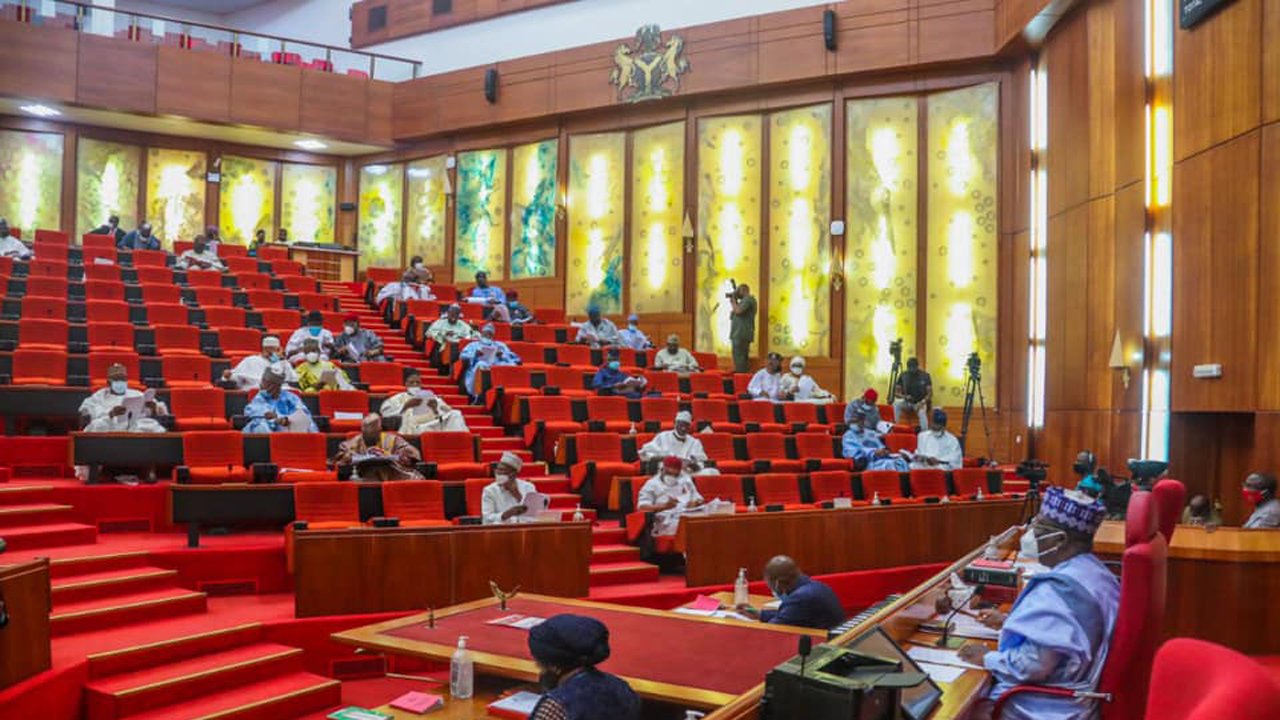
Nigeria’s Senate has given President Bola Tinubu the green light to deploy troops to Benin Republic, endorsing a regional security mission aimed at restoring stability after last weekend’s attempted military takeover in Cotonou.
The approval came during plenary on Tuesday, where Senate President Godswill Akpabio announced that lawmakers had unanimously supported the request after reviewing it in the Committee of the Whole, as required by constitutional provisions. Akpabio described the decision as essential to safeguarding regional peace, warning that unrest in any neighbouring state carries implications for the entire West African sub-region.
Tinubu had earlier written to the Senate asking for authorisation to send Nigerian forces to support Benin, emphasising what he called Nigeria’s “historic responsibility” under ECOWAS security protocols to defend constitutional order in the region. The president maintained that rapid intervention was necessary to prevent the crisis from spiralling.
The attempted coup unfolded on Sunday when a group of soldiers, identifying themselves as the “Military Committee for Refoundation,” appeared on national television claiming to have removed President Patrice Talon from office. Their broadcast sparked immediate concern across West Africa, where recent coups have raised fears of democratic regression.
Benin’s loyalist troops quickly countered the move, restoring control and preventing the putsch from gaining momentum. The swift containment was widely praised, though ECOWAS leaders insisted that preventive action remained critical to deterring further instability.
Following consultations among West African heads of state, ECOWAS formally ordered the deployment of its Standby Force to Benin. The regional contingent will include troops from Nigeria, Sierra Leone, Côte d’Ivoire, and Ghana, with the mission tasked with supporting Benin’s government and armed forces in protecting constitutional rule.
The Senate’s approval clears the path for Nigeria to play a leading role in the operation, reinforcing its position as one of the region’s principal security anchors at a time when multiple West African states are grappling with military interference in governance.