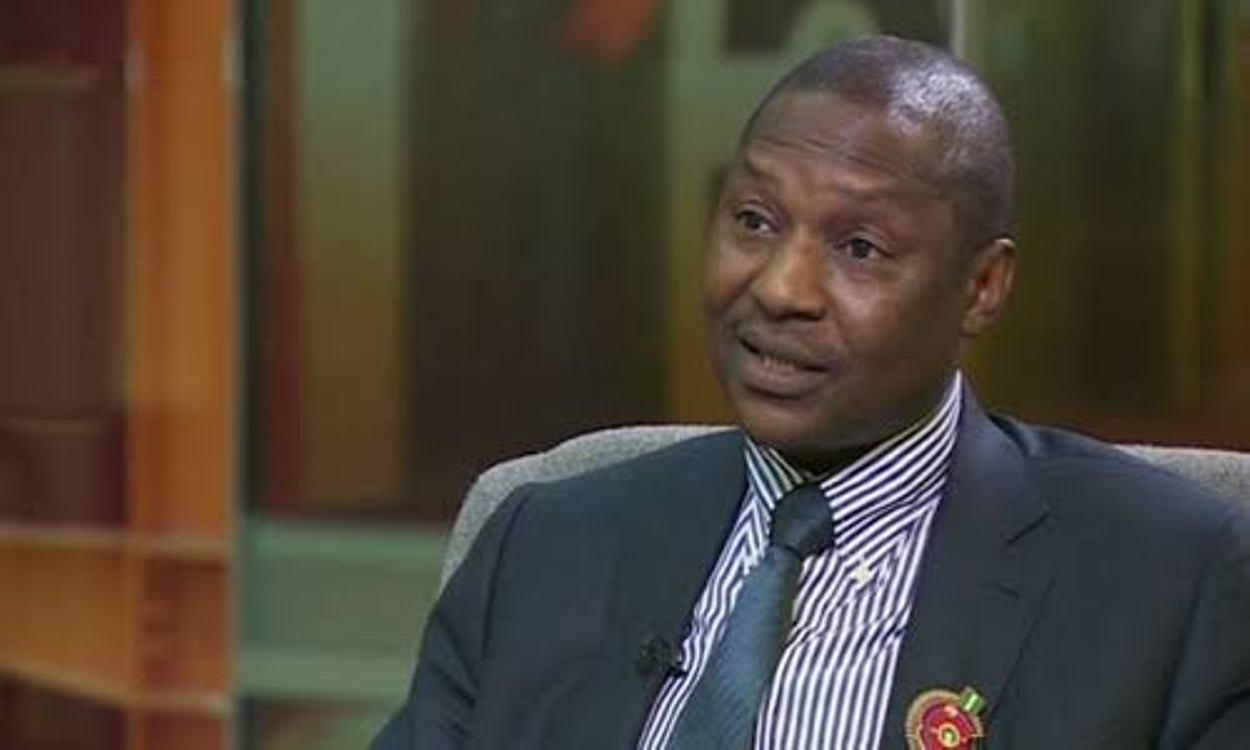
Uchechi Okwu-Kanu, wife of the detained IPOB leader Nnamdi Kanu, has launched a fierce criticism of the Federal High Court ruling that sentenced her husband to life imprisonment, describing the judgment as a “script” handed to the presiding judge.
Reacting to Thursday’s ruling, she argued that Justice James Omotosho failed to read out the written law under which her husband was tried, insisting that no judge has the constitutional right to demand a defence in a terrorism case without first citing the specific legal provisions.
Uchechi alleged that the judge struggled to read parts of his own judgment, claiming it was obvious he was “reading a script” rather than delivering an independent ruling. She insisted that the court violated the 1999 Constitution, which requires that no Nigerian be convicted of an offence unless the offence and penalty are clearly defined in a written law.
Her remarks come after the Federal High Court in Abuja convicted Kanu on all seven terrorism-related charges filed by the Department of State Services (DSS). Justice Omotosho ruled that the prosecution presented sufficient and credible evidence, noting that Kanu declined to offer a defence and instead rested his case on the state’s submissions.
But Uchechi accused the court of blocking her husband’s constitutional rights, including his right to file a final written address. She claimed the judge instructed Kanu to include all objections in the final address, only to later deny him the opportunity to submit it.
She further argued that the court forced the IPOB leader to take a plea under a repealed law—an instruction Kanu reportedly rejected, demanding that the applicable written statute be produced before he could proceed.
Calling the judgment a “travesty of justice,” Kanu’s wife maintained that the trial was tainted by procedural irregularities, claiming Justice Omotosho refused to issue written rulings on key applications while “reading thousands of lines” in open court.