
Trump’s Shutdown “Victory” Sparks GOP Health Care Crisis
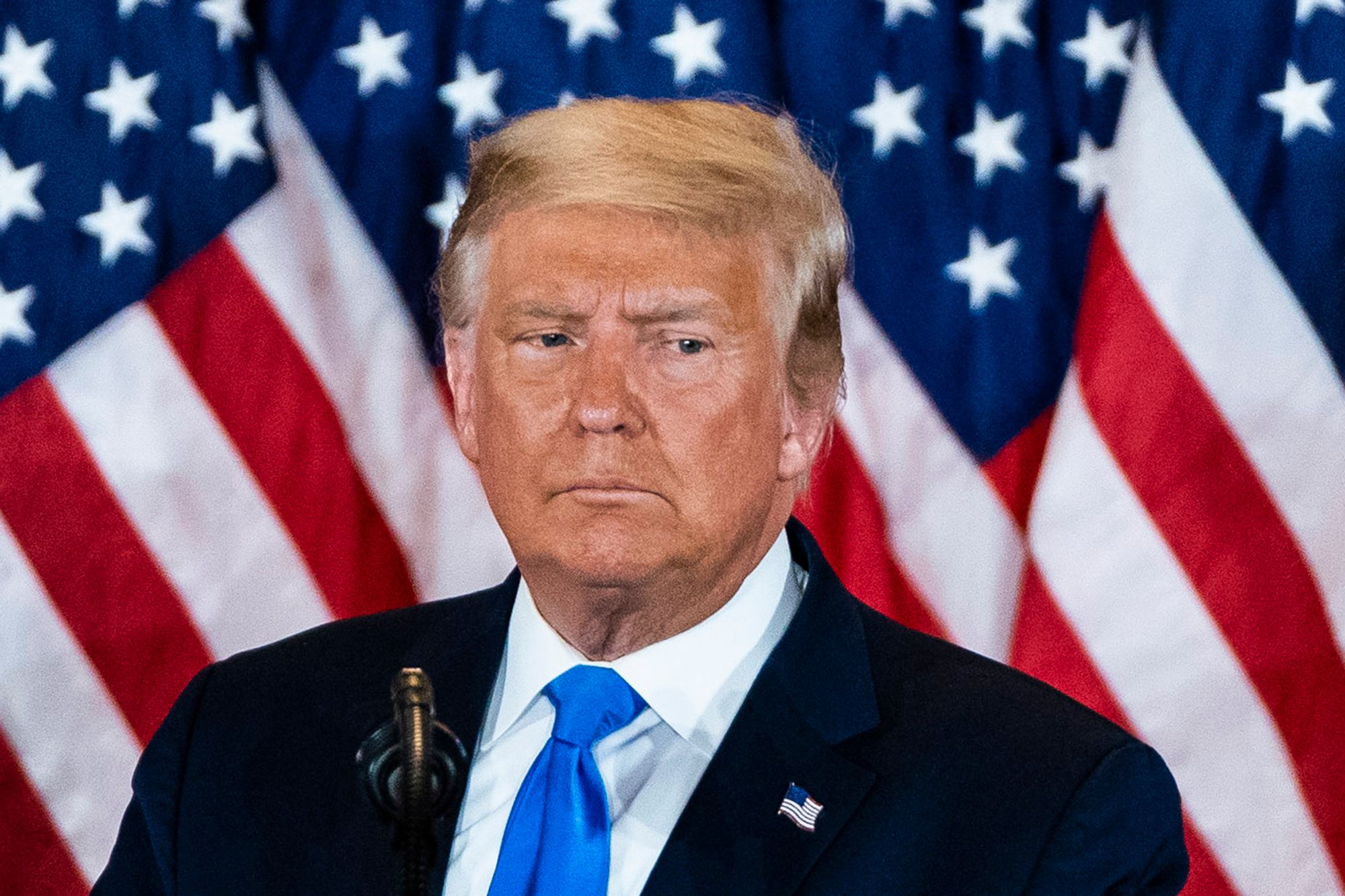
President Donald Trump’s recent government shutdown win may have delivered a political headline, but it has left Republicans facing a new health care headache. Millions of Americans are now at risk as enhanced Affordable Care Act (ACA) subsidies expire, and Trump has offered only vague promises to send cash to policyholders without detailing how it would work.
At a White House appearance on Monday, Trump told reporters, “We’re going to be working on that very hard over the next short period of time… where the people get the money,” referring to expiring ACA benefits. Yet he did not provide specifics on how the proposed payments would replace subsidies or whether they would bypass insurance firms.
While Trump celebrates the shutdown outcome, the GOP now owns the health care narrative. Rising premiums and high deductibles threaten Americans across the country, and Republicans face growing pressure to present a credible, comprehensive plan. Failure to act could damage the party ahead of the 2026 midterm elections.
Health care tensions are fracturing the Republican Party. Representative Marjorie Taylor Greene publicly criticized GOP leadership for failing to address rising ACA premiums during the shutdown, highlighting a disconnect between Trump’s priorities and voters’ economic concerns. Greene urged the president to focus on domestic policy rather than foreign meetings, framing the issue as a matter of economic insecurity for ordinary Americans.
Other House Republicans similarly pressured leadership to address the expiring subsidies. Senate Republican leader John Thune agreed to hold a vote in December on extending the ACA subsidies, a move that places GOP senators on record and tests their willingness to confront a politically sensitive issue.
Trump’s promises on health care have historically been underwhelming. From his 2016 pledge to replace Obamacare with a “terrific” plan to repeated assurances during his first term and 2024 campaign, his administration has failed to produce a comprehensive solution. Analysts warn that partial measures, such as TrumpRx for prescription drugs and discounted obesity medications, do little to solve the broader affordability crisis.
Proposals to bypass insurance companies with direct payments are riddled with uncertainties, including whether they would cover the subsidy shortfall or adequately address premiums and treatment costs. Critics argue that such an approach could expose patients to massive medical bills while raising questions about fairness for other taxpayers.
Republicans are under scrutiny for failing to provide a sustainable solution, while Democrats seize the opportunity to highlight GOP inaction. Polls indicate that health care costs are a top concern for voters, with nearly half believing Democrats are better equipped to address the issue. The coming months will test whether Republicans can deliver meaningful relief or face electoral consequences.