Nigeria’s federal government has dismissed allegations of genocide and religious persecution, insisting that recent actions and statements from the United States stem from misinformation and misleading reports.
Minister of Information and National Orientation, Mohammed Idris, said the government was aware of the tension created by Washington’s designation of Nigeria as a “Country of Particular Concern” (CPC) and by reported threats of military intervention from former US President Donald Trump.
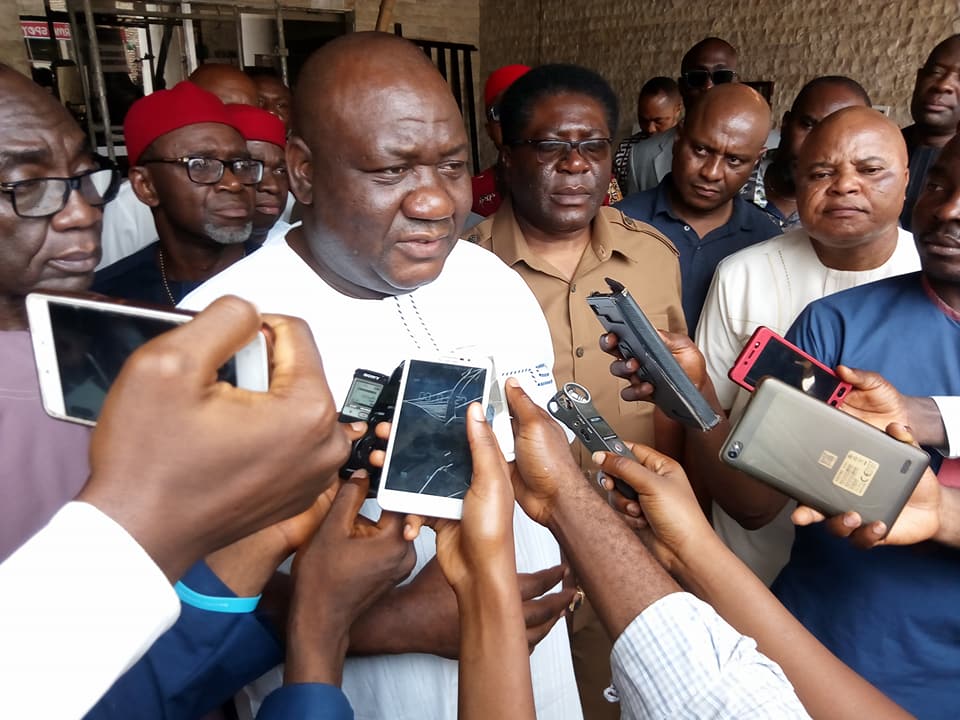
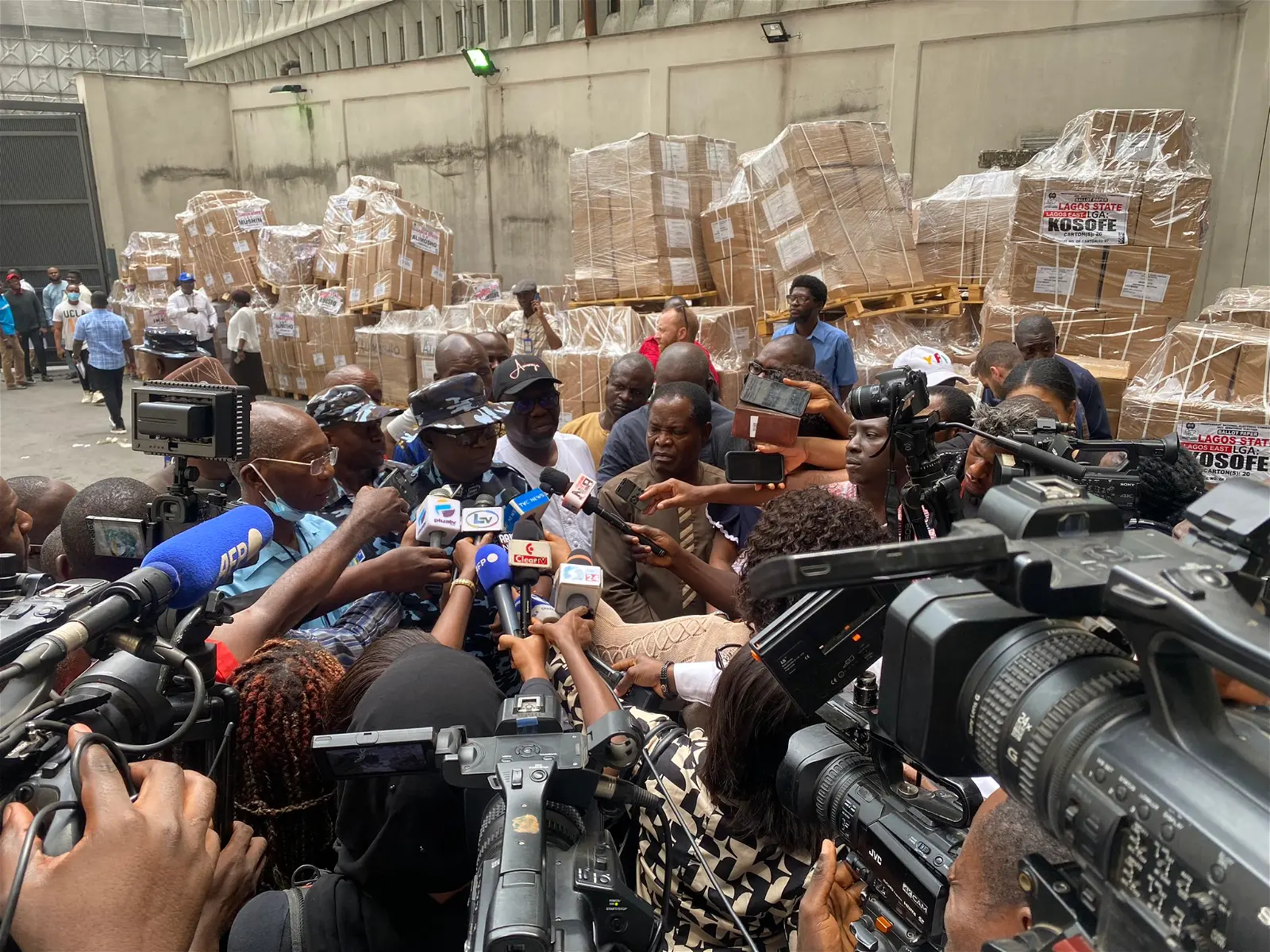
Addressing journalists in Abuja on Wednesday, Idris acknowledged that Nigeria had faced severe security challenges since the rise of Boko Haram in 2009 but emphasized that President Bola Tinubu’s administration had made significant progress in tackling terrorism and violent extremism.
According to the minister, security agencies have neutralized more than 13,500 terrorists since May 2023 and arrested over 17,000 suspects, while over 9,800 kidnap victims—including women and children—have been rescued and reintegrated. He stressed that terrorism in Nigeria does not target any specific religion or ethnic group but is a “mindless war against all peace-loving Nigerians.”
Idris rejected claims that the Nigerian government condones religious attacks, saying that the country’s armed forces and intelligence agencies are composed of both Christians and Muslims working side by side to restore peace and stability.
He also highlighted the broader regional and socio-economic dimensions of Nigeria’s insecurity, citing the instability in the Sahel, the collapse of Libya, and the spread of illegal arms as major contributors to the crisis. Additionally, he pointed to the long-standing farmers-herders conflicts in Plateau and Benue States, worsened by climate change and desertification.
The minister reaffirmed Nigeria’s commitment to working with ECOWAS, the African Union, and international partners, including the United States, to stabilize the Sahel and dismantle the networks sustaining terrorism across West Africa.