
Senate Blocks Natasha Akpoti’s Return, Says Suspension Stands Until Appeal Court Ruling
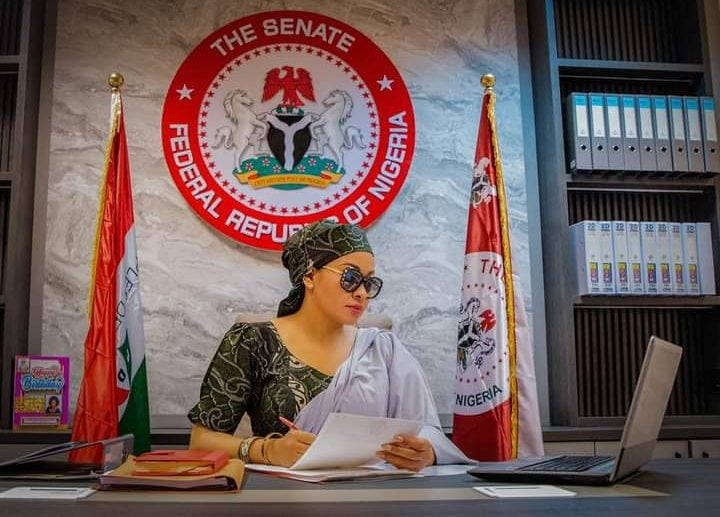
Tensions flared in Abuja on Monday as the Nigerian Senate rejected Senator Natasha Akpoti-Uduaghan’s request to resume plenary, insisting that her six-month suspension remains valid until the Court of Appeal delivers judgment on her case.
In a letter signed by the Acting Clerk to the National Assembly, Dr. Yahaya Danzaria, the Senate acknowledged Akpoti’s notice of resumption dated September 4, 2025, but maintained that she remains barred from legislative activities. According to the Senate, her suspension, which began on March 6, 2025, has not lapsed because the matter is still “sub judice.”
“The matter remains sub judice, and until the judicial process is concluded, no administrative action can be taken to facilitate your resumption,” the letter read, effectively shutting the door on her planned return to the Red Chamber.
Senator Akpoti-Uduaghan, who represents Kogi Central, was suspended in March after the Senate accused her of breaching its standing orders. She has consistently argued that her ordeal was politically motivated, linking it to her petition against Senate President Godswill Akpabio, whom she accused of sexual harassment—an allegation the Senate has denied.
While the Federal High Court in Abuja upheld her suspension in July, Akpoti quickly filed an appeal, arguing that the move violated her constitutional rights and silenced the mandate of her constituents. Her lawyers maintain that the suspension has elapsed, but the Senate insists only the Court of Appeal can determine her fate.
The standoff has fueled debate over legislative overreach and abuse of disciplinary powers. Civil society groups and opposition figures have condemned the prolonged suspension, describing it as an attempt to intimidate outspoken lawmakers and undermine parliamentary democracy.
For now, the Kogi senator remains sidelined, her return to the chamber hinging on a legal battle that could set a major precedent on the limits of parliamentary authority in Nigeria.