
WAEC, JAMB Under Fire as Glitches Shatter Credibility of Nigeria’s Exam System
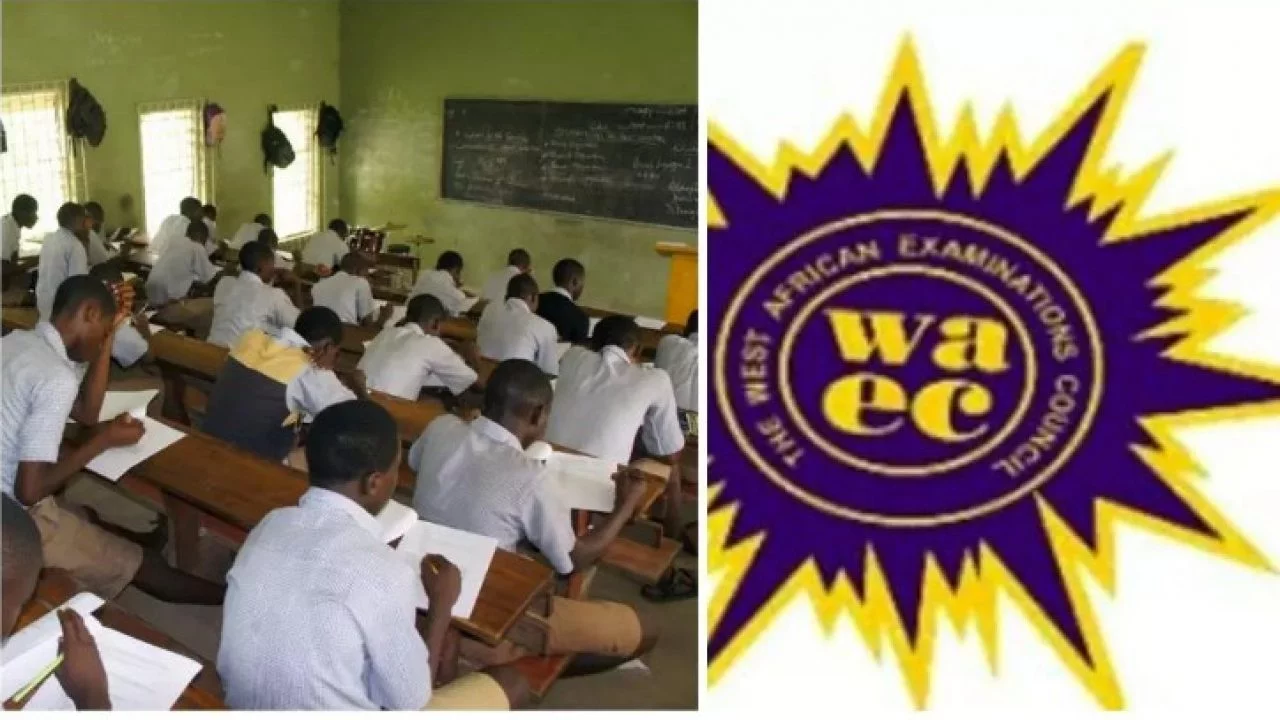
Nigeria’s education system is facing a storm of criticism after back-to-back technical glitches rocked two of its most critical examination bodies — the Joint Admissions and Matriculation Board (JAMB) and the West African Examinations Council (WAEC). Stakeholders warn that the fiasco has dragged the nation’s academic integrity into disrepute, leaving students and parents questioning the credibility of the country’s most important assessment platforms.
The crisis began with the 2025 Unified Tertiary Matriculation Examination (UTME), when scrambled results and mass failures triggered public outrage. JAMB admitted that a software patch was not applied on servers in Lagos and the South-East, leading to misprocessed responses for nearly 380,000 candidates across 157 centres. Registrar Is-haq Oloyede later confirmed that resits were ordered, affecting 206,610 candidates in Lagos and 173,387 in the Owerri zone.
Parliamentarians waded in, with the House of Representatives Committee on Basic Education describing the incident as “human-induced error,” not a mere technical failure. The glitch, however, fueled suspicions among parents who accused the board of playing politics with the future of Nigerian youths.
Barely recovered from JAMB’s disaster, WAEC added fuel to the fire when its 2025 WASSCE results were released in August, only to be suspended days later over what the Council called “technical bugs” tied to its new paper serialisation security feature. Subjects like English Language, Mathematics, Biology, and Economics were affected, forcing a re-release of corrected results. Some students reported seeing dramatic changes in their grades, further deepening mistrust.
Parents did not hold back. “Those who failed should rewrite. Reviewing results after release is the dumbest move,” fumed Mr. Isaiah Chukwu, a parent in Abuja. Another parent, Mrs. Margaret Ameh, warned that such inconsistencies would destroy faith in the system, urging WAEC to invest in better-trained teachers and stronger processes instead of “firefighting after embarrassment.”
Students, too, voiced frustration. One candidate revealed that his English grade was altered from a D7 to a B3 after WAEC’s “fix.” While grateful, he warned that if such problems persist, the global credibility of WAEC certificates would be at risk.
Education experts argue that without reforms, Nigeria’s exam bodies risk becoming their own worst enemies. Tech consultant Echezona Chinedu stressed the need for independent audits, robust quality assurance, and accountability measures. “If WAEC and JAMB continue like this, our children will not fail because of their performance but because of the very systems meant to measure them,” he warned.
The Ministry of Education has since announced that WAEC and NECO will begin phased Computer-Based Testing (CBT) from November 2026, starting with objective sections. Officials argue that this shift will reduce malpractice, curb leakages, and restore confidence. But for millions of families already scarred by 2025’s chaos, words may not be enough until actions prove the system is fixed.