
You’re Not a Tourist, Mr. President”: Peter Obi Slams Tinubu’s Foreign Tours as Nigeria Bleeds
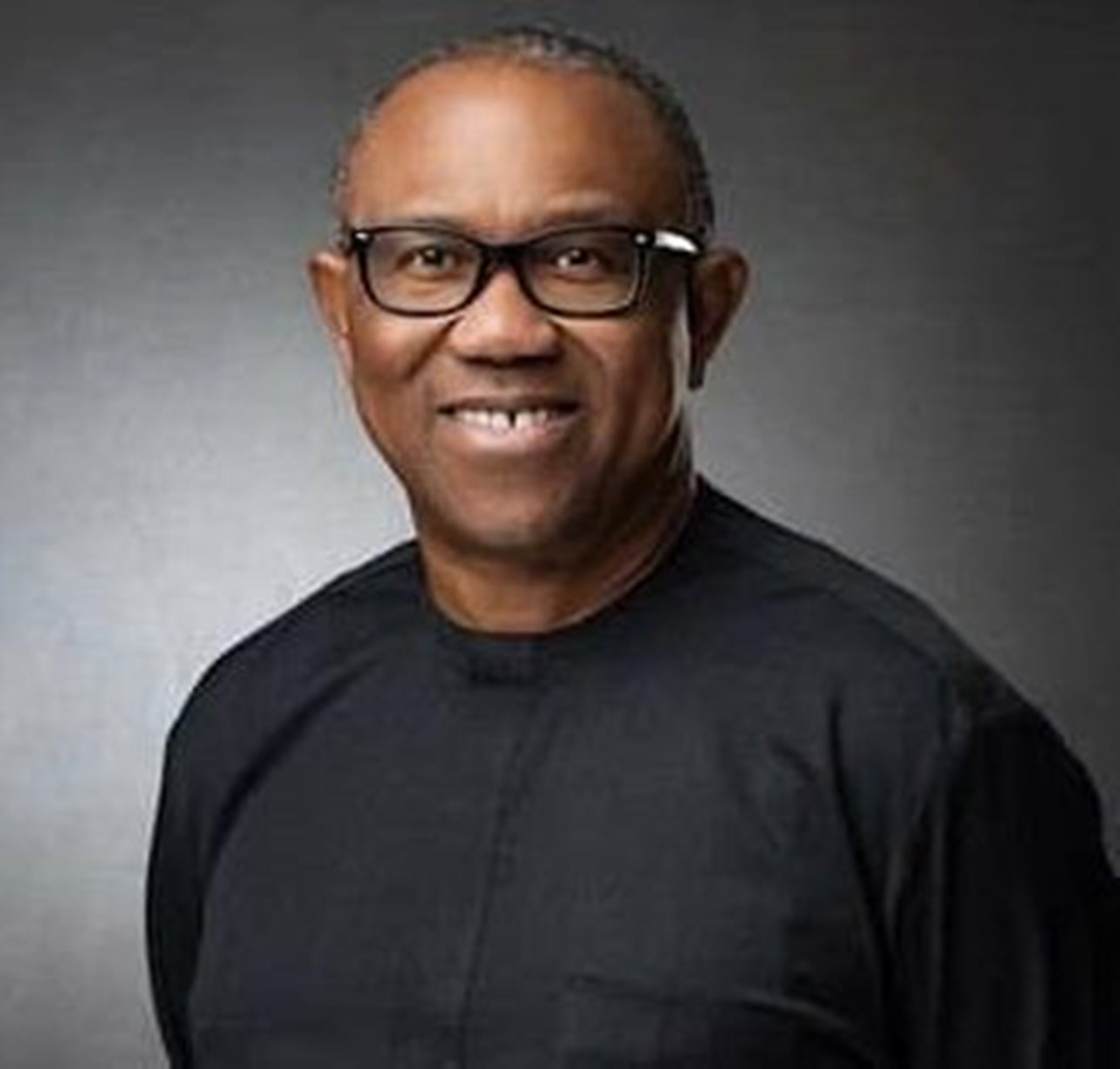
Peter Obi, former presidential candidate and formidable advocate for change, has unleashed a blistering rebuke of President Tinubu’s outgoing travel schedule—slamming his 12‑day diplomatic swing through Dubai, Japan, and Brazil as woefully “insensitive” against a backdrop of soaring hunger, insecurity, and economic fragility.
Obi highlighted the absurdity of Tinubu returning to Brazil after a prior visit, while Nigeria’s most vulnerable states remain untouched by presidential outreach. He contrasted that with the president’s pattern of extended stays abroad—even arriving days before scheduled summits—to underscore a lack of visible domestic leadership.
Tinubu’s itinerary includes attending the Ninth Tokyo International Conference on African Development (TICAD9) in Yokohama from August 20–22, followed by a state visit to Brazil from August 24–25, with a brief stopover in Dubai—yet, curiously, no return date to Nigeria has been announced.
Obi demanded that such necessary engagements be condensed—citing that the TICAD9 summit doesn’t begin until August 20—arguing that a five-day trip would have sufficed, allowing the president to remain present amid growing domestic crises.
The former Anambra governor invoked the stark reality: “We are now counted among the most insecure nations, the most fragile economies, and the hungriest countries in the world,” stating that Nigeria needs a leader driven by sacrifice, urgency and on-the-ground presence rather than endless globetrotting.
Obi called on Tinubu to embark on national tours with the same zeal he shows for foreign travel—urging him to listen to Nigerians’ plight directly, and respond with action. He reminded the president—and the nation—that leadership is not about sightseeing but about service.
Nigeria hasn’t asked for miracles, said Obi—it asks only for “100% effort and tireless commitment.” This critique underscores a broader desire for accountable governance. If “a New Nigeria is POssible,” many now believe it starts with a president present, visible, and responsive to suffering in his own backyard.