
Peter Obi’s One-Term Pledge Sparks Tension Among Northern Power Blocs Ahead of 2027
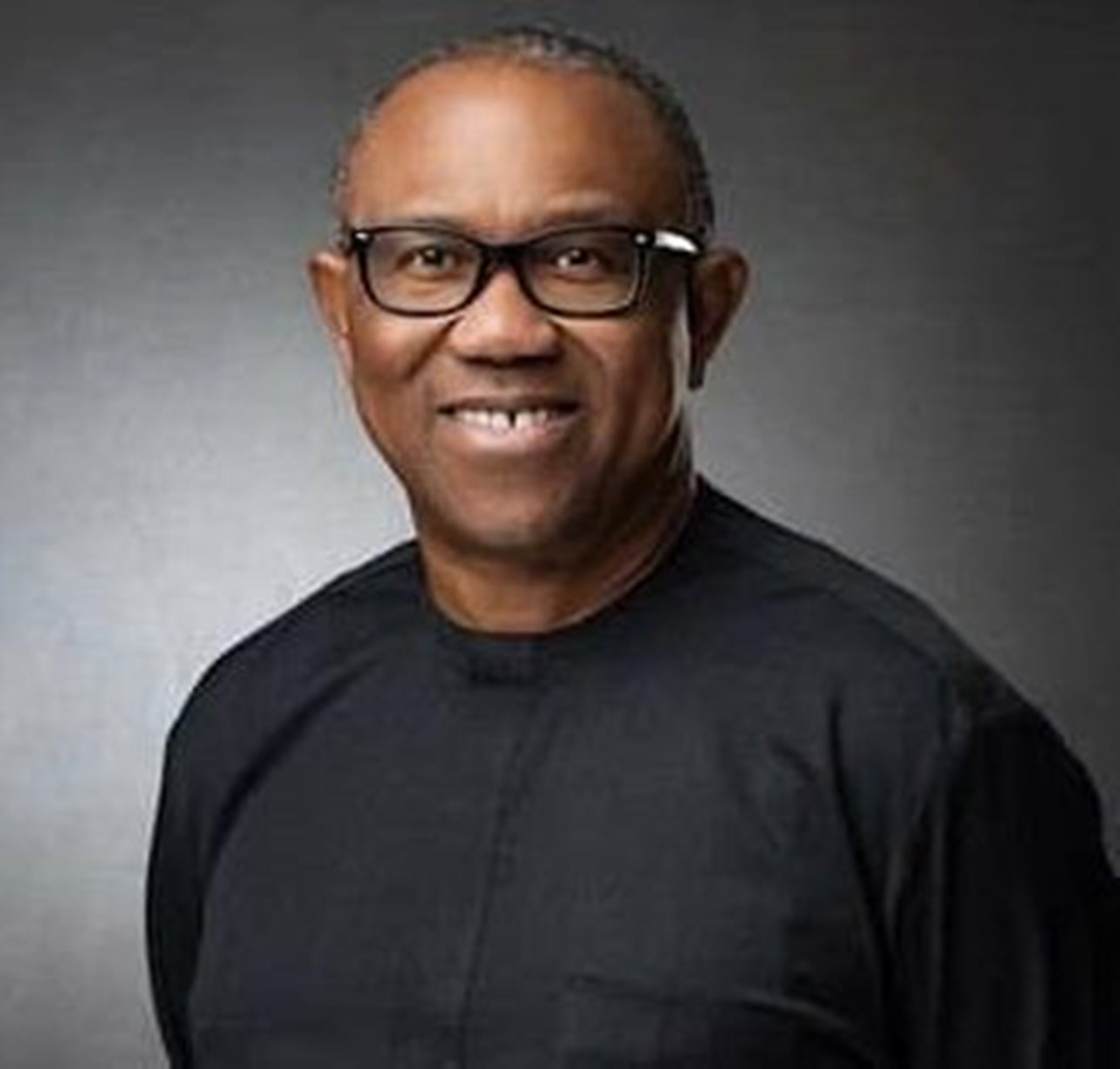
Peter Obi’s emphatic vow to serve only one term if elected president in 2027 is causing fresh political tremors in Northern Nigeria, where key stakeholders are questioning both the sincerity and strategic intent of the former Anambra State governor’s declaration.
Over the weekend, Obi reaffirmed his one-term presidency plan, describing it as a non-negotiable promise. “I will serve only one term of four years if elected President. And that vow is sacrosanct,” Obi declared, citing public distrust in political figures as his motivation for transparency and urgency in governance.
However, his statement has triggered a mix of skepticism and political recalculations in the North. Anthony Sani, a former Secretary-General of the Arewa Consultative Forum, dismissed the vow as a tactical maneuver rather than a moral commitment. He argued that Northerners are unlikely to trust Obi to step down after one term, especially when the constitutional provision allows him to run for two.
Hakeem Baba-Ahmed, former political adviser to President Bola Tinubu, offered a more nuanced take. While acknowledging Nigeria’s political unpredictability, he called on citizens to rigorously interrogate candidates and demand clear positions on security, education, and economic reform. “Anything is possible,” he said, “but Nigerians must pin candidates down with specifics.”
Obi’s vow is widely interpreted as a nod to zoning dynamics. With the South expected to relinquish the presidency to the North by 2031, Obi’s pledge seeks to position him as a transitional figure — an idea that both reassures and unsettles opposing camps. Analysts say Northern preference may lean toward Tinubu, who constitutionally has just one more term, rather than Obi, whose voluntary limitation could later be reversed.
Amid rising economic hardship, insecurity, and public distrust in leadership, some argue that a focused four-year presidency could be a strategic reset for Nigeria — if upheld. Baba-Ahmed reinforced this by stating, “If you come with a set of realistic ideas and a strong team, four years is enough.”
Obi’s one-term presidency promise has now become a litmus test for trust, competence, and political balance ahead of 2027. Whether voters believe it — or whether his opponents weaponize it — remains to be seen, but one thing is clear: the clock to Nigeria’s next defining election has already started ticking.