
Power Surge Sparks Fire in Kwara, Guts 30-Room Building in Ilorin
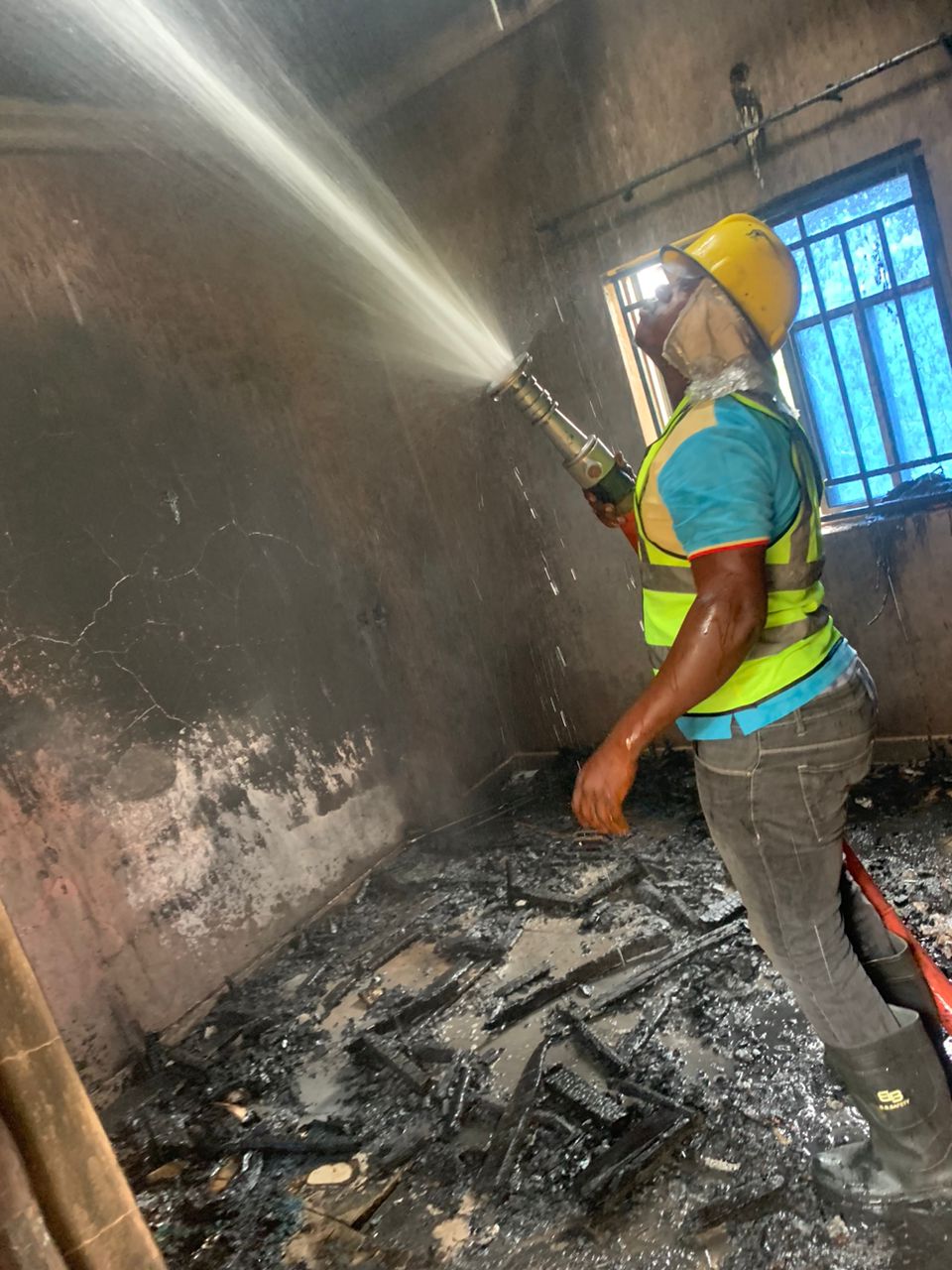
Panic gripped residents of the Tanke Oke-Odo area of Ilorin on Tuesday, July 29, 2025, when a fire outbreak tore through a 30-room storey building, leaving several rooms in ruins. The incident occurred around 9:40 AM behind Tomopewa Apartments, in a location locally known as Down Winners.
According to the Kwara State Fire Service, the blaze was triggered by a power surge—an all-too-common hazard in Nigeria’s residential areas. The surge reportedly originated from one of the rooms on the upper floor and quickly spread, prompting a swift response from fire personnel.
Firefighters arrived at the scene within minutes and battled the flames before it could engulf the entire complex. Despite their efforts, three rooms on the top floor sustained significant damage, with personal belongings reduced to ashes. No casualties were reported at the time of this report.
Spokesman of the fire service, Hassan Adekunle, confirmed that immediate intervention helped avert what could have been a much larger disaster. He praised the residents for calling in the emergency promptly and cooperating with responders during the operation.
Director of the Kwara Fire Service, Prince Falade John Olumuyiwa, issued a strong reminder to the public about the dangers of power surges, advising property owners to invest in surge protectors and avoid electrical overload. He also emphasized routine safety checks in multi-room buildings.
Electricity-related fire outbreaks have surged in Nigeria’s urban zones, particularly in densely populated areas like Ilorin, where unregulated wiring and inconsistent power supply contribute to frequent accidents. The Kwara incident adds to the growing tally of fire emergencies linked to unstable electricity.
As rebuilding begins, residents and local authorities are calling for improved infrastructure, stricter enforcement of building codes, and a statewide awareness campaign to educate landlords and tenants on fire prevention practices—especially during the rainy season when electrical hazards rise.