
Kenyan Court Finds Paul Mackenzie, 29 Others Guilty of Murdering 191 People in Starvation Cult
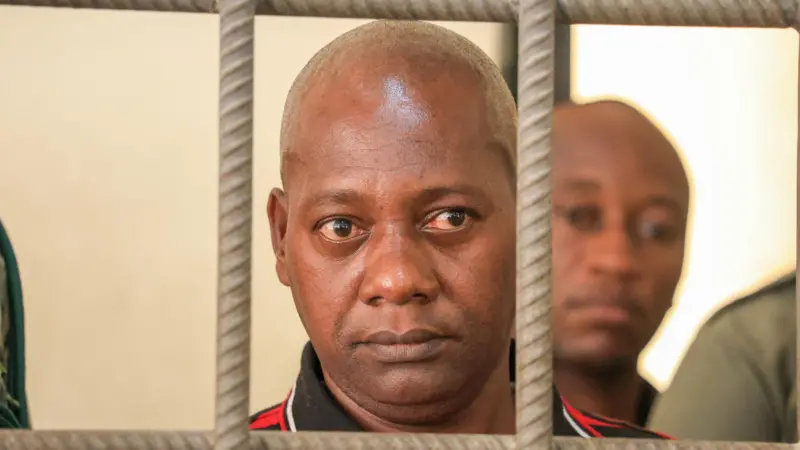
A Kenyan court has found controversial preacher Paul Mackenzie and 29 other defendants guilty of murdering 191 people in a case linked to a religious group accused of encouraging followers to starve themselves to death. Most of the victims were children, according to reports on the verdict delivered in Mombasa.
The case centres on events in Shakahola Forest, near Kenya’s coast, where Mackenzie allegedly persuaded followers to abandon ordinary life and move into what he described as a wilderness prepared by God. Prosecutors accused the group of subjecting followers to extreme religious teachings and practices that contributed to the deaths.
According to the court proceedings, 190 of the 191 victims covered by the murder case were children. The judge reportedly described the group’s leadership structure as highly authoritarian and criticised teachings that rejected modern medicine and formal education. The court compared the tragedy with other notorious cases involving destructive cults and mass deaths.
Mackenzie was arrested in 2023 after authorities uncovered mass graves in Shakahola Forest. Investigators eventually recovered more than 400 bodies in the wider case, with many victims believed to have died from starvation. Authorities also investigated other suspected forms of abuse and violence, while some remains could not initially be identified because of their condition.
The prosecution’s case drew attention to the influence Mackenzie allegedly exercised over his followers. His Good News International Ministries, established in 2003, had attracted supporters across Kenya and operated a television station that broadcast his sermons. His teachings reportedly portrayed education and healthcare as contrary to his religious beliefs and warned followers against certain aspects of modern life.
Accounts from survivors and relatives have illustrated the human cost of the tragedy. Stephen Mwiti, a father who lost all six of his children, told the BBC about his devastating loss. Other accounts described children and adults becoming severely weakened after going without food and medicine. Some survivors said their families had rejected medical treatment because of the group’s teachings.
Despite the evidence presented in court, some former followers have continued to defend Mackenzie, saying they believed their fasting was voluntary. One survivor, Peter Shukrani, said his mother had discarded medicine he needed because she believed prayer alone could heal him. He said he might have died without being rescued. Mackenzie and the other defendants had previously denied the murder allegations, according to the report.
The court is expected to sentence Mackenzie and the other convicted defendants on November 6, 2026. The verdict marks a major development in one of Kenya’s most disturbing cases involving religious extremism and mass deaths. Other legal proceedings concerning alleged terrorism, manslaughter and offences against children have also been reported, although the outcomes of those separate cases should not be confused with the murder verdict.