Nigeria must invest more in research, regulation and documentation if traditional medicine is to play a major role in achieving universal health coverage, the Nigeria Natural Medicine Development Agency (NNMDA) has said.
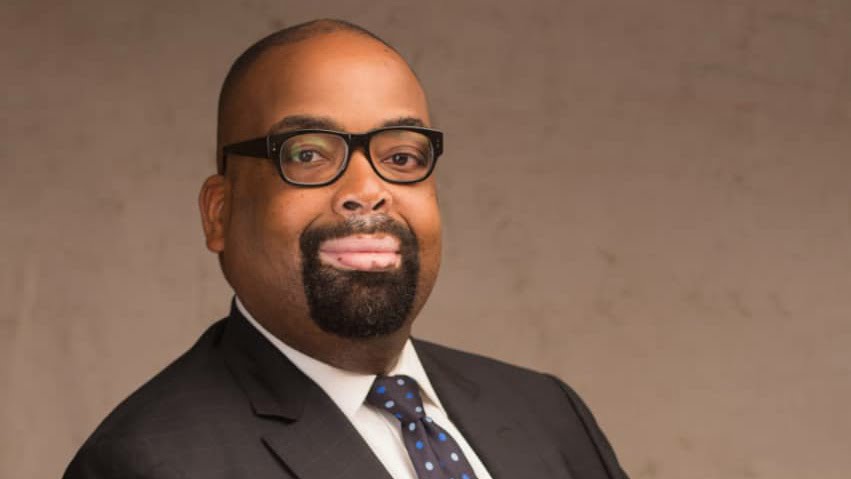
NNMDA Director-General, Prof Martins Emeje, made the call on Monday at the 2026 African Traditional Medicine Day health walk and conference. The event focused on research and development efforts aimed at using traditional medicine to improve healthcare access across Africa.
Emeje said Nigeria could face medicine insecurity if it continued to overlook its natural resources and indigenous medical knowledge. He argued that developing local medicines from natural resources could strengthen both medicine and food security while reducing dependence on imported products.
The NNMDA boss said traditional medicine research should go beyond laboratory studies. He called for systematic documentation of experienced practitioners, including those who have spent decades treating people in their communities, saying their knowledge could provide valuable leads for scientific research and drug development.
He disclosed that the agency had begun digitally documenting traditional medicine practitioners, their facilities, personnel, qualifications and areas of practice. Emeje said proper regulation would be difficult without first identifying practitioners and understanding the services they provide, adding that those who require additional training would be supported.
The agency has completed the documentation exercise in one local government area and plans to expand it. Emeje warned that practitioners who fail to meet safety requirements could lose their licences and face legal consequences.
The World Health Organisation’s Head of Traditional Medicine, Dr Sungchol Kim, also backed stronger documentation, quality control, training and licensing. He said the WHO Global Traditional Medicine Strategy 2025–2034 provides a framework for developing traditional medicine through evidence, regulation and appropriate integration into national health systems.
Kim stressed that traditional medicine incorporated into healthcare must be safe, quality-assured and evidence-based. He also urged Nigeria to strengthen infection-prevention training for practitioners and improve systems for documenting traditional medicine practices.
Keynote speaker Prof Andrew Uloko warned against accepting traditional remedies simply because they have been used for generations. He said research and development must establish their safety, effectiveness, quality and consistency before they are integrated into modern healthcare. He called for stronger funding, improved toxicology and clinical research capacity, tighter regulation and closer cooperation among practitioners, scientists, doctors, researchers and manufacturers.
Participants also called for greater African collaboration to preserve indigenous medical knowledge while applying scientific standards to its development. The consensus was that traditional medicine should neither be accepted blindly nor dismissed outright, but developed responsibly through research, documentation, regulation and evidence.