
African Wild Dogs Travel Record 4,000km Across Zambia in Search of Mates
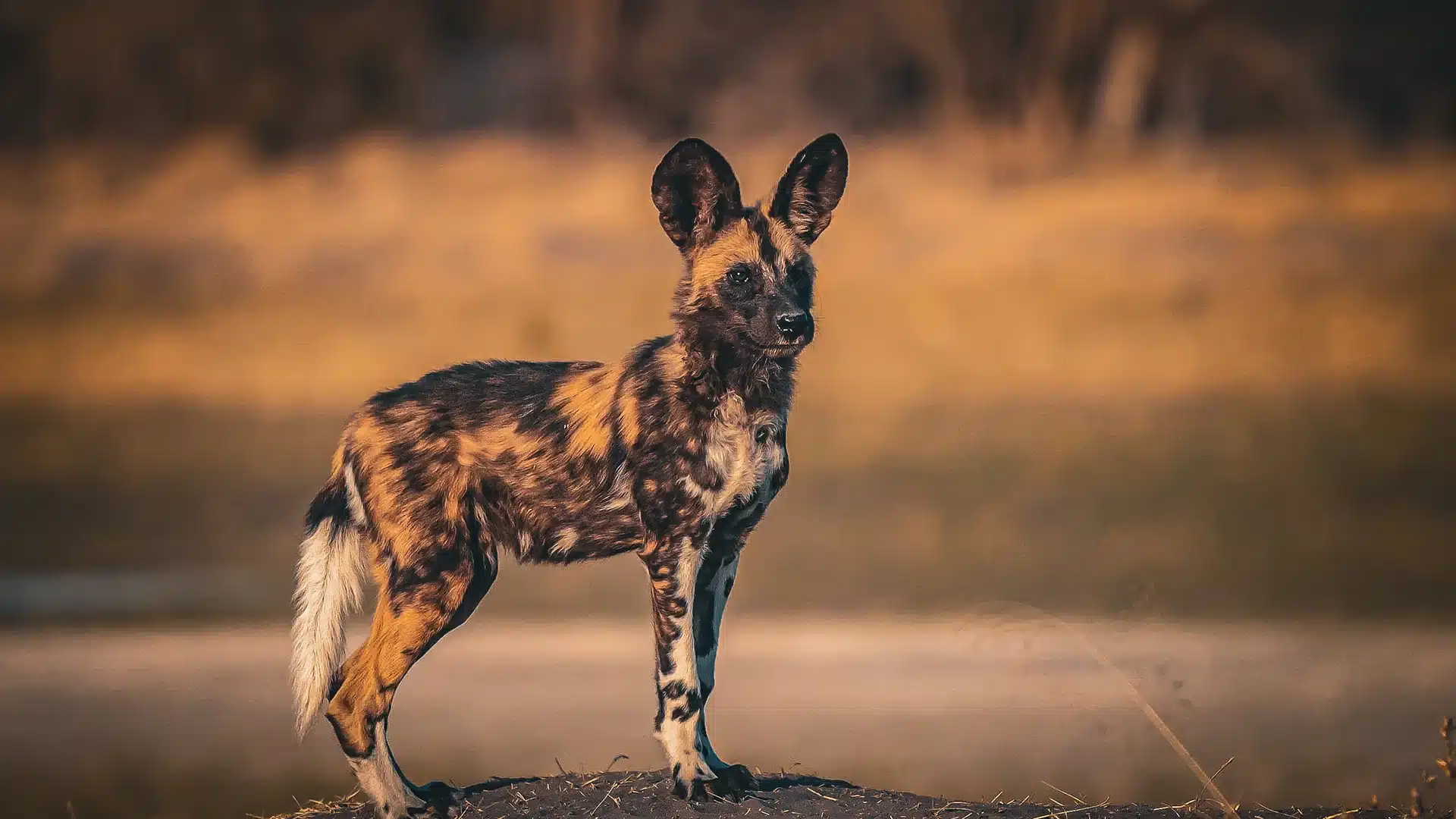
Three African wild dogs have completed an extraordinary 4,000-kilometre journey across Zambia, setting what scientists say is a record for the longest recorded dispersal by an African land mammal searching for a mate.
The three brothers travelled for about eight months, covering nearly 2,485 miles as they moved through a landscape increasingly divided by roads, farms, towns and other human development. Although the journey covered only about 260 miles in a straight line, the animals travelled almost 10 times that distance as they zigzagged across the country.
Their journey was not a seasonal migration. Instead, the brothers were undertaking what scientists call dispersal — a one-way movement by young animals seeking mates and opportunities to establish themselves with another pack. African wild dogs typically leave their birth packs at around two or three years old because they cannot breed within the pack where they were born.
The animals managed to navigate around major human obstacles, including Lusaka and heavily developed industrial areas, while moving between wildlife strongholds. Researchers say their ability to cross such a fragmented landscape suggests that wild dog populations in eastern and southern Africa may be more connected than previously thought.
The findings also reveal the serious dangers facing the species. Of the wild dogs fitted with GPS collars during the study, some died after becoming caught in illegal snares. Three female dogs tracked during the research came close to completing a similarly remarkable journey, but the trip ended after one became trapped in a snare. Two of the three females eventually died.
Professor Scott Creel of Montana State University, the lead author of the study, said the findings offered cautious hope that major wild dog populations could remain connected outside fenced areas. But he stressed that the threats facing the animals remain severe, particularly from snares and the loss of natural habitat.
African wild dogs are among Africa’s rarest predators, with an estimated 6,000 remaining in the wild. They live in close-knit packs and depend on large, connected landscapes for hunting, breeding and movement between populations.
The study, published in the journal Ecology, has strengthened calls for conservation corridors linking protected areas separated by roads, farms and human settlements. Bruce Ellender, a co-author and Kafue Conservation director for The Nature Conservancy, said protected areas could not be treated as isolated “islands” if wide-ranging species such as wild dogs and elephants were to survive.