
2027 Elections: INEC Warns AI Disinformation Could Threaten Electoral Credibility
The Independent National Electoral Commission (INEC) has warned that the rapid growth of artificial intelligence-driven disinformation could pose a major threat to the credibility of Nigeria’s 2027 general elections.
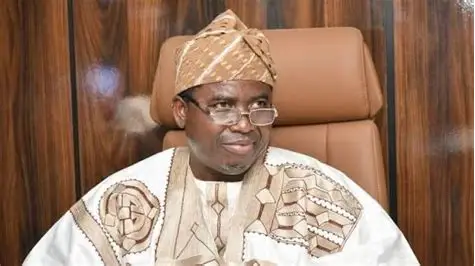
INEC Chairman Joash Amupitan issued the warning in a keynote address delivered on his behalf by National Commissioner Sani Adam at the 13th Annual International Conference of the Association of Communication Scholars and Professionals of Nigeria (ACSPN) in Abuja on Wednesday.
The conference, themed “Media, Technology and Elections in Africa: Navigating Digital Disruption and the New Dynamics of Electoral Communication,” focused on the growing influence of technology and digital communication on African elections.
Amupitan said generative AI had made it cheaper and increasingly difficult to detect manipulated videos, audio recordings and images. He cited documented cases of doctored political content during recent elections in West and East Africa, including material circulated during Nigeria’s 2023 presidential election.
According to the INEC chairman, AI-generated content could reach millions of social media users before it is verified, while algorithmic micro-targeting could make the problem more difficult by allowing different groups of voters to receive conflicting political messages without a common factual foundation.
He said INEC’s credibility would depend not only on the integrity of the ballot but also on how well voters understand and trust the commission’s electoral processes, including the Bimodal Voter Accreditation System (BVAS) and the INEC Result Viewing Portal (IReV).
Amupitan acknowledged that the 2023 elections demonstrated how electoral technology could itself become a source of public doubt when systems failed to perform as expected. He said legitimacy would be strengthened when electoral systems operate reliably, are properly understood and shortcomings are explained transparently.
As part of preparations for 2027, the INEC chairman disclosed that the commission is conducting a comprehensive audit of its electoral technology, including system redundancy, penetration testing and disaster recovery planning. INEC is also considering a mock presidential election to test voter accreditation, result transmission and results viewing under conditions similar to election day.
Amupitan said the commission had proposed a substantial election budget, including significant funding for technology and new accreditation devices to replace those lost or damaged during the previous election cycle. While awaiting the full release of funds, INEC’s ICT team has begun discussions with manufacturers, with preparations for the technology audit and proposed mock election continuing alongside budget finalisation.
The INEC chairman said Nigeria must also avoid simply copying technological solutions from other countries, stressing the need to consider the country’s internet access challenges, language diversity and levels of institutional trust. He said INEC’s response to disinformation would focus on providing accurate information faster rather than restricting legitimate journalism or civic dissent.
Amupitan reaffirmed INEC’s commitment to improving electoral technology, transparency and public confidence as Nigeria moves towards the 2027 general elections.