
Malami Asset Forfeiture: Kano House Deserted, Hotel Still Operating Despite Court Order
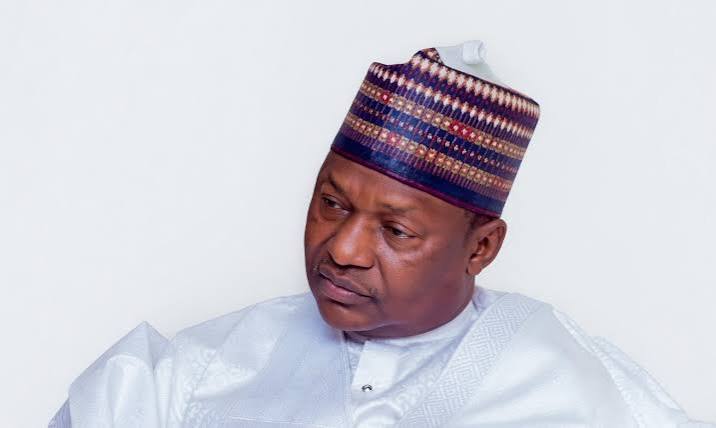
The implementation of the court-ordered forfeiture of assets linked to former Attorney-General of the Federation and Minister of Justice, Abubakar Malami, has begun in Kano, with one residential property now deserted while a hotel covered by the ruling remains in operation.
The Federal High Court had ordered the final forfeiture of dozens of properties linked to Malami after ruling that the claimants failed to establish that the assets were lawfully acquired. The order followed an application by the Economic and Financial Crimes Commission (EFCC).
Among the properties affected are hotels, residential buildings, corporate entities, a university and shopping malls spread across Abuja, Kaduna, Kano and Birnin Kebbi. The EFCC had alleged that the assets, valued at more than ₦180 billion, were acquired with proceeds of unlawful activities during Malami’s tenure as Attorney-General between 2015 and 2023. Malami and other affected parties have consistently maintained that the assets were legally acquired.
A visit to Zeenoor Hotels Ltd in Kano showed that the facility was still receiving guests despite the forfeiture order. Staff members declined to comment on the development, with one employee saying only that the hotel remained open for business.
A police officer stationed at the hotel said security personnel had been informed about the court’s decision and were expecting officials to arrive and formally take over the property.
Meanwhile, a residential property located at No. 9 Ahmadu Bello Way, close to the Kano State Government House, appeared deserted when visited. Security personnel in the area said the building had been vacated, while mobile police officers were seen guarding the premises.
Speaking on the development, EFCC spokesperson Dele Oyewale confirmed that the commission had commenced the gradual takeover of all properties covered by the court’s forfeiture order.
Oyewale said the commission had already secured the Ahmadu Bello Way property and warned that any affected assets yet to be officially taken over were still being occupied without legal authority.
The forfeiture case remains one of the EFCC’s most significant asset recovery efforts in recent years, with the commission saying it will continue implementing the court’s judgment by taking possession of the remaining properties across the country.