
US Withdraws Most Troops from Nigeria After ISIS Leader Raid, Keeps Intelligence Partnership
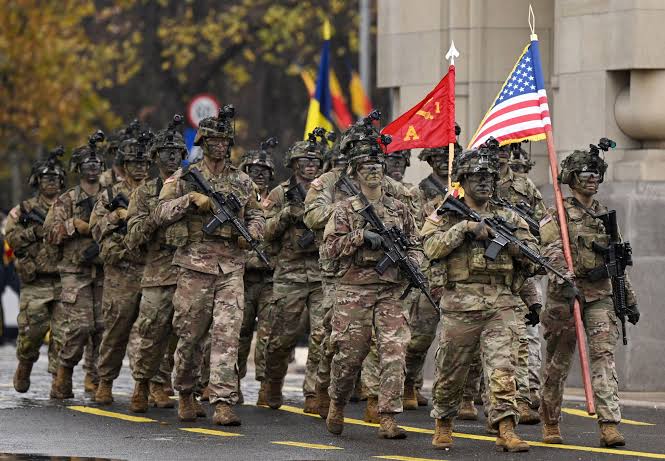
The United States has withdrawn most of its troops deployed to Nigeria following the successful operation that eliminated Abu-Bilal al-Minuki, the deputy leader of ISIS in the Lake Chad Basin, while maintaining intelligence cooperation with Nigerian security forces.
The announcement was made on Thursday by Dagvin Anderson, commander of the **United States Africa Command>, during a press briefing in Luanda, Angola, at the close of the 2026 African Chiefs of Defence Conference.
Anderson said the temporary deployment of US forces was tied to the operation that led to the death of al-Minuki, a senior ISIS figure accused of overseeing the terrorist group’s global operations, media activities and recruitment network. Following the mission, he said, most of the deployed personnel had been withdrawn.
Despite the troop reduction, the AFRICOM commander stressed that the United States would continue supporting Nigeria through intelligence sharing and security cooperation at the request of the Nigerian government.
According to Anderson, collaboration between the two countries combined Nigeria’s military capabilities with US intelligence expertise, making it possible to target one of ISIS’ most influential leaders.
“We have withdrawn much of our forces that were just there for that operation but are continuing the partnership that Nigeria has asked for to help continue with the intelligence sharing and the understanding that’s necessary to be able to prosecute these difficult tasks,” he said.
He described Nigeria as a capable regional power with a strong military, educated population and resilient economy, noting that the country’s security forces have continued operations against terrorist groups since the May raid.
Anderson said the operation not only weakened ISIS activities in the Lake Chad Basin but also disrupted the group’s wider international network, reducing its ability to coordinate global operations and recruit new members.
He added that Nigerian forces have remained active in pursuing terrorist elements and dismantling their operational structures, with continued intelligence cooperation expected to strengthen ongoing counterterrorism efforts.