
Senate Rejects Boko Haram Rehabilitation, Demands Terrorists Face Justice Amid Worsening Insecurity
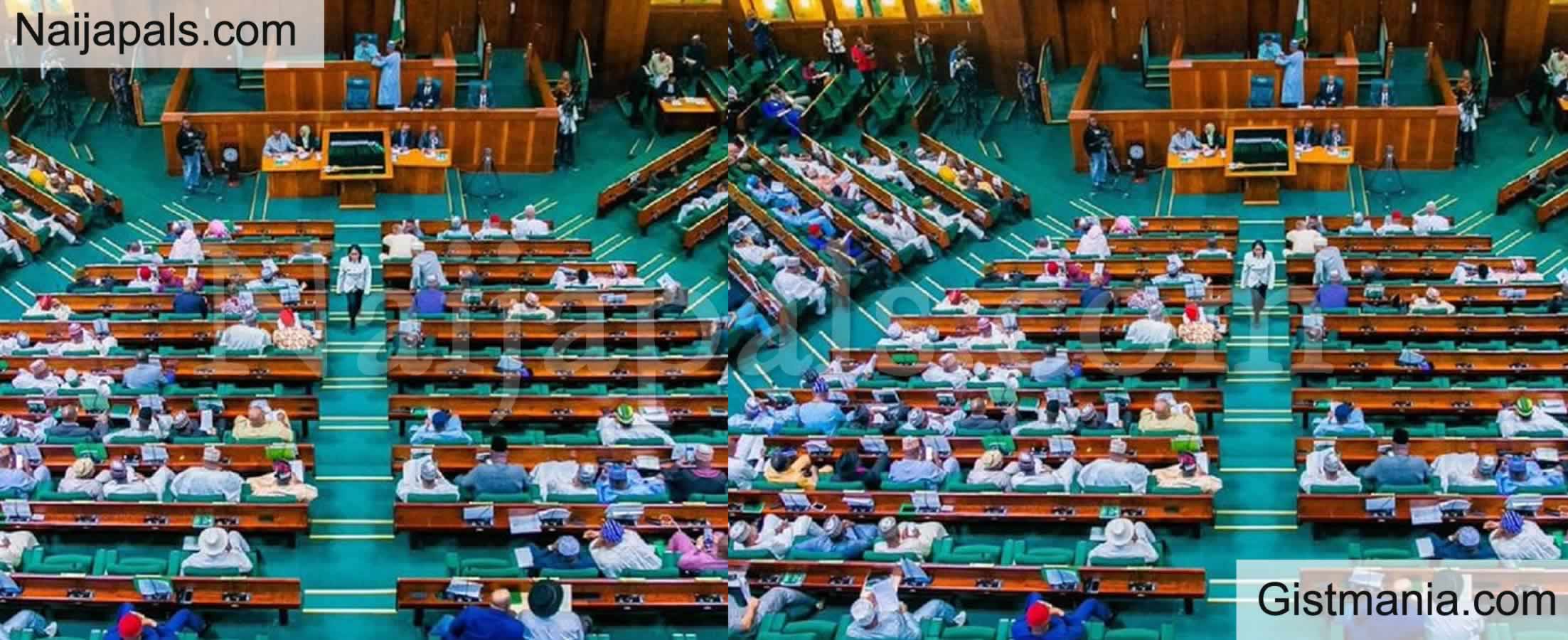
Nigeria’s Senate has firmly rejected any policy that rehabilitates former Boko Haram fighters, declaring that terrorists should be prosecuted instead of being reintegrated into society as lawmakers expressed growing concern over the country’s worsening security crisis.
The position emerged during Tuesday’s plenary while senators debated a motion sponsored by Senator Abdulaziz Musa Yar’Adua (Katsina Central) on the increasing attacks, kidnappings and killings of serving and retired military personnel. The debate was prompted by the death of retired Major General Rabiu Abubakar, a former Director of Defence Information, who died in captivity after being abducted by bandits in Katsina State.
Although the Senate unanimously adopted measures aimed at improving intelligence gathering, deploying modern security technology and supporting victims’ families, the session took a decisive turn when lawmakers rejected rehabilitation programmes for terrorists. An additional motion introduced by Senator Joseph Igiagbe Ikpea (Edo Central) opposing the reintegration of convicted terrorists received overwhelming support.
Backing the proposal, Senator Adams Oshiomhole argued that rehabilitating terrorists sends the wrong message to Nigerians who have lost loved ones to violence. He maintained that individuals responsible for mass killings, kidnappings and the destruction of communities should face the full weight of the law rather than benefit from government-sponsored rehabilitation.
“It does not make even common sense to grant pardon, rehabilitate and integrate criminals into society,” Oshiomhole said.
The Senate also strengthened its resolutions by directing security agencies to ensure that those responsible for the killing of Major General Abubakar and similar attacks are identified, arrested and prosecuted. Senator Osita Izunaso (Imo West) said Nigerians now expect concrete results from security agencies rather than repeated assurances, noting that reports surrounding the retired general’s death had raised serious concerns.
Lawmakers further agreed that the gravity of the security situation requires direct engagement with the Presidency. Senate Leader Opeyemi Bamidele proposed that a Senate delegation, led by the chamber’s leadership, should meet with President Bola Tinubu to formally present lawmakers’ concerns and discuss urgent measures to tackle the growing insecurity. The proposal was adopted without opposition.
During the debate, several senators painted a grim picture of the country’s security landscape, warning that terrorists and bandits now target not only civilians but also retired military officers who once led Nigeria’s security operations. Minority Leader Abba Moro recounted the killing of a university professor near a police checkpoint after refusing to surrender his vehicle to armed attackers, while other lawmakers lamented that security personnel remain under-equipped despite confronting heavily armed criminal groups.
Responding to criticism directed at the military, Deputy Senate President Barau Jibrin defended the Armed Forces, acknowledging the security challenges while commending soldiers for their sacrifices. He noted that terrorism and banditry have become regional threats affecting several West African countries and urged Nigerians to recognise the progress already made by security agencies.
At the conclusion of the debate, senators observed a minute’s silence in honour of Major General Rabiu Abubakar and other victims of terrorism, banditry and kidnapping. The Senate also resolved to send a delegation to condole with his family, the Katsina State Government and the Nigerian Army, while reaffirming calls for stronger intelligence gathering, improved collaboration with local communities and accelerated deployment of modern security technology.