
APC Dominates Ekiti Governorship, Wins 5 of 6 Bye-Elections Nationwide as Opposition Rejects Results
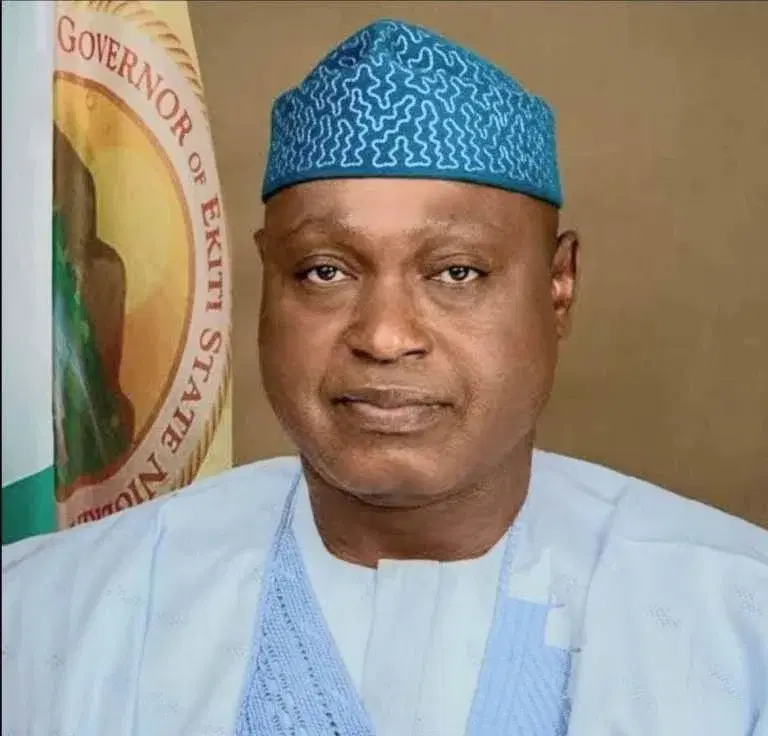
The All Progressives Congress (APC) recorded a sweeping political victory across Nigeria on Saturday, winning the Ekiti State governorship election alongside five out of six federal and senatorial bye-elections held simultaneously in multiple states.
In Ekiti State, incumbent Governor Biodun Oyebanji secured a landslide re-election, defeating his closest rival, Dr. Wole Oluyede of the Peoples Democratic Party (PDP), in a contest widely described as decisive.
The Independent National Electoral Commission (INEC) announced that Oyebanji polled 319,224 votes, while Oluyede scored 40,543 votes. The African Democratic Congress (ADC) candidate, Ambassador Dare Bejide, came third with 12,872 votes.
Following his victory, Oyebanji described the outcome as a turning point for Ekiti politics, saying the election reflected peace, unity, and voter confidence in his administration.
He pledged to deepen governance efforts, stating that the mandate was a call to “work harder and smarter” while praising the peaceful conduct of the poll.
President Bola Tinubu also congratulated the governor, urging him to remain magnanimous in victory and continue delivering people-focused governance. He further commended INEC and security agencies for the peaceful conduct of the election.
Across the country, APC candidates also secured victories in bye-elections held in Enugu, Nasarawa, Ondo, Kano, and Kebbi States. The party, however, lost the Rivers South-East senatorial bye-election to the PDP.
In Rivers State, PDP candidate Senator Olaka Nwogu emerged winner with 46,961 votes, defeating his APC rival who polled 1,647 votes. The result was announced by INEC’s returning officer after collation across seven local government areas.
While the APC celebrated its overall performance, several opposition candidates rejected the outcomes in their respective constituencies, alleging irregularities, vote buying, and electoral compromise.
In Ekiti, the ADC candidate described the governorship poll as “electoral robbery,” insisting that the process did not reflect the will of voters. Similar claims were made in Nasarawa, where Labour Party candidate Labaran Maku rejected results and vowed to challenge them in court.
Electoral observers also raised concerns. Yiaga Africa reported shortcomings in results management, voter turnout calculations, and ballot secrecy, noting that vote buying was observed in parts of the state. The group added that BVAS devices failed to verify voters in some polling units.
Despite these criticisms, APC leaders described the results as a strong endorsement of the party’s performance at both state and federal levels. Imo State Governor and Progressive Governors Forum chairman, Hope Uzodimma, said the outcome reflected public confidence in APC governance.
The European Union Delegation to Nigeria also monitored aspects of the electoral process through its support programme for democratic governance, reaffirming its commitment to strengthening civic participation and electoral transparency.
In Kano, APC candidate Rabiu Shuaibu won the Dawakin Kudu/Warawa federal constituency bye-election, while in Ondo, Prof. Dayo Faduyile secured the senatorial seat for the party.
With these results, the APC strengthened its hold across several regions, though opposition parties insist the elections were marred by irregularities and will be challenged in court.
The outcome sets the tone for intensified political positioning ahead of future elections, with both ruling and opposition parties preparing for what is expected to be a more competitive electoral cycle.