
ADC Faces First Major Crisis as Atiku’s Landslide Victory Reopens North-South Power Struggle Ahead of 2027
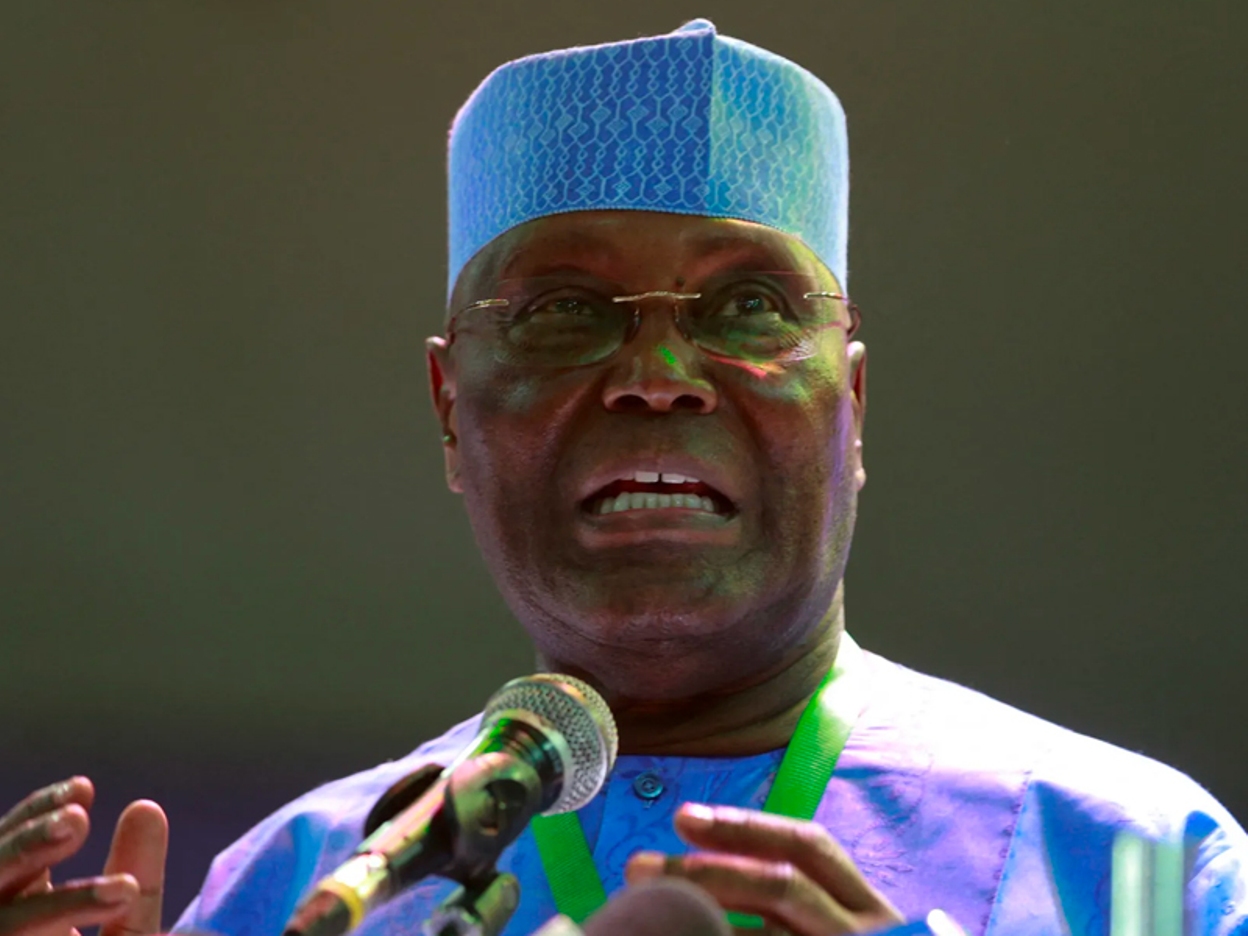
Fresh cracks are already appearing inside the African Democratic Congress (ADC) coalition just hours after former Vice President Atiku Abubakar emerged victorious in the party’s presidential primary for the 2027 election.
Atiku secured a dominant win with more than 1.8 million votes, defeating former Rivers State governor Rotimi Amaechi, who polled 504,117 votes, while businessman Mohammed Hayatu-Deen finished with 177,120 votes. But beyond the numbers, the result has triggered renewed tensions over zoning, regional balance and the future of opposition unity.
The former vice president swept through several northern states during the primary, recording commanding victories in Gombe, Sokoto, Yobe, Zamfara and Kano. Amaechi maintained influence in parts of the South-South, particularly Bayelsa, but failed to slow Atiku’s momentum as results poured in from across the country.
Now, attention has shifted from the election itself to what happens next inside the coalition. Southern stakeholders within the ADC are increasingly questioning whether the opposition can successfully challenge President Bola Tinubu in 2027 with another northern candidate barely four years after power returned to the South.
The zoning debate mirrors the same internal crisis that weakened the Peoples Democratic Party ahead of the 2023 general election. Several voices within the coalition believe the South should complete eight years in office before power rotates back to the North in 2031.
Youth leaders within the ADC in Enugu had earlier warned that backing Atiku does not reflect the mood across the South-East, insisting that fairness and political balance demand the presidency remains in the South for another term.
Political observers say the biggest test for the coalition may now depend on whether Atiku can retain the support of influential southern figures like Amaechi after the primary battle. While both camps publicly pledged to support whoever emerged as candidate, signs of mistrust continue to linger beneath the surface.
There are growing concerns that the ADC could gradually be perceived as a northern political alliance rather than a broad national coalition. That perception may deepen if Amaechi’s supporters become disillusioned or reduce their involvement in the party’s activities ahead of the election.
Unlike Atiku, who already controls entrenched political structures across several northern states, Amaechi is still relatively new within the ADC after leaving the APC. Some of his allies fear the coalition’s power structure could become heavily dominated by northern interests following the primary outcome.
The situation has become even more delicate following reports that Labour Party’s Peter Obi may distance himself from the coalition, a development that could weaken ADC’s influence in parts of the South-East and South-South.
Despite the tension, some party leaders are urging calm. Former ADC National Chairman Ralph Nwosu said the party remains committed to internal democracy and unity, while former Oyo deputy governor Hazeem Gbolarumi argued that political negotiations ahead of 2027 could still reshape the opposition alliance.
Veteran journalist and ADC chieftain Dele Momodu also appealed to Amaechi and Hayatu-Deen to avoid actions capable of damaging the coalition.
“If they truly want to remove Tinubu, then this is not the time for this type of bickering,” Momodu said while reacting to complaints raised over the conduct of the primary.
For now, Atiku’s victory may have settled the contest for the ADC ticket, but it has also reopened one of Nigerian politics’ oldest and most sensitive questions — who should hold power next?