
Nigeria’s pharmaceutical sector is edging toward a silent crisis—and most people haven’t seen it coming yet.
As the Middle East conflict continues to disrupt global trade and energy markets, the impact is beginning to hit closer to home. Industry experts are warning that medicine shortages, rising drug prices, and serious public health risks could soon become unavoidable realities.
The problem starts with Nigeria’s heavy dependence on imports. More than 80% of pharmaceutical inputs, particularly Active Pharmaceutical Ingredients (APIs), are sourced from countries like India and China. When global supply chains are disrupted, Nigeria feels it almost immediately.
And that disruption is already happening.
Manufacturers report cancelled orders, shipment delays, and sharp price increases. According to industry data, the cost of key inputs like paracetamol APIs has surged by about 28%, while delivery timelines have stretched significantly due to rerouted shipping and congestion.
Even though Nigeria does not directly import drugs from the Middle East, the region plays a critical role in global logistics. The Strait of Hormuz, a major shipping route, has become a choke point. Once that corridor is disrupted, it slows down supply chains worldwide—including those feeding Nigeria’s healthcare system.
At the same time, energy costs are climbing. Diesel prices have jumped from below ₦1,100 to around ₦1,800 per litre, pushing up production and transportation costs for manufacturers already struggling with power challenges.
The result is simple—and dangerous.
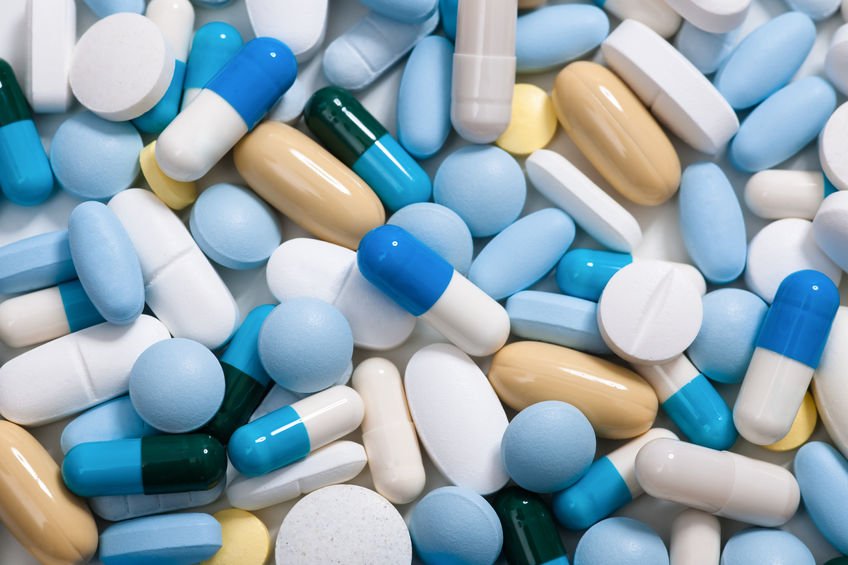
Drug prices are rising fast. Some medications have already seen increases of up to 30%, particularly imported ones. Experts warn that essential drugs—including antibiotics, hypertension medication, and cancer treatments—are becoming less affordable.
But price is only half the problem.
Shortages are beginning to emerge, and history suggests what comes next. When supply drops and demand stays high, counterfeit drugs often flood the market—putting lives at risk.
Pharmaceutical stakeholders say the situation is still “under control” for now, but that window is closing. If the conflict drags on, Nigeria could face a repeat of the COVID-era supply breakdown, where even available funds couldn’t guarantee access to critical medicines.
There’s also a deeper structural issue: Nigeria simply isn’t built for self-reliance in this sector—yet.
Local manufacturing exists, but it still depends heavily on imported inputs. That means even “local” drugs are tied to global disruptions, limiting how quickly the country can respond to shocks.
Industry leaders are now calling for urgent reforms, particularly investment in local API production. But that’s a long-term fix, requiring sustained funding, policy support, and patience.
In the short term, the reality is harsher.
Higher costs will be passed to consumers. Supply gaps may widen. And access to essential medicines could become increasingly uncertain.
Because in a crisis like this, it’s not just about economics.
It’s about whether people can get the drugs they need—when they need them.