
What looks like a natural seasonal spectacle in Kenya is quietly fuelling a growing global black market—and most people wouldn’t suspect it.
Across parts of the Rift Valley, swarms of flying ants are emerging from the ground during the rainy season. But behind this routine mating ritual lies a lucrative illegal trade driven by international collectors willing to pay top dollar for a single queen.
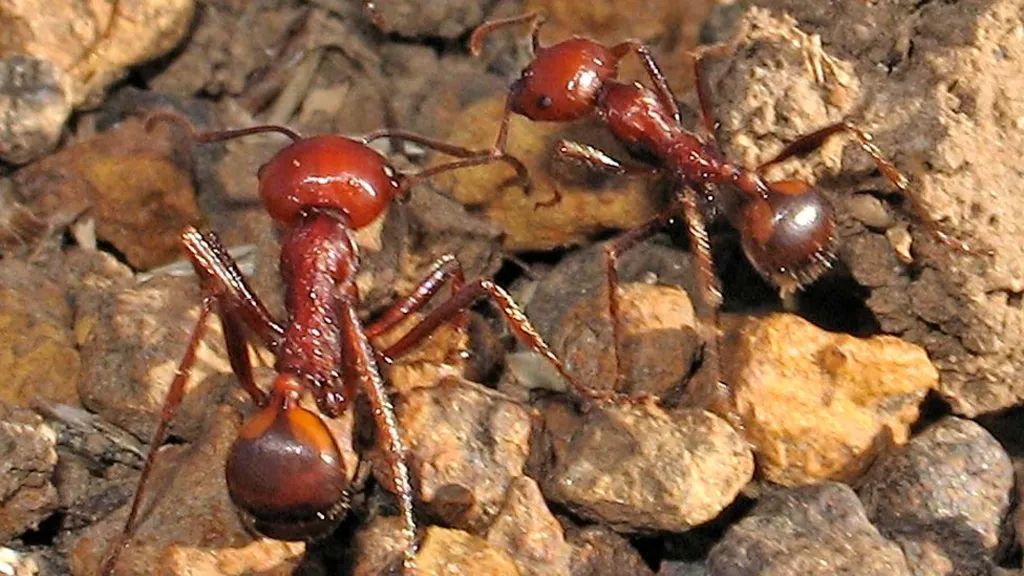
These aren’t just any ants. The giant African harvester ant, prized for its size and distinctive red colour, has become a hot commodity in the underground pet market. A single fertilised queen—capable of building an entire colony—can fetch up to $220 online.
That demand has transformed quiet towns like Gilgil into unexpected hubs of wildlife trafficking.
Locals, often unaware of the legal implications, are recruited to collect the ants during peak swarming periods. The queens are carefully packed into tubes or syringes and delivered to foreign buyers who rarely appear in the field themselves.
The scale of the operation is only beginning to emerge.
Authorities were jolted last year after discovering 5,000 live queen ants stored in a guest house, ready to be shipped abroad. More recently, another suspect was arrested at Nairobi’s main airport with 2,000 ants hidden in luggage.
What makes this trade particularly difficult to track is how easily it slips through borders. Unlike ivory or weapons, organic material like ants often escapes detection in standard scanning systems.
Scientists say the consequences could be far-reaching.
Removing queen ants from the wild doesn’t just affect individual colonies—it disrupts entire ecosystems. These insects play a critical role in seed dispersal and maintaining healthy grasslands. Without them, the balance of local environments could begin to collapse.
There’s also a global risk. Experts warn that exporting non-native species could introduce invasive ants into foreign ecosystems, potentially damaging agriculture and biodiversity.
Yet enforcement remains a challenge.
Kenya allows regulated collection under strict permits, but authorities say no legal applications have been made so far. Instead, the trade continues largely underground, driven by demand from hobbyists who keep ants in transparent enclosures known as formicaria.
Some analysts argue Kenya is missing an opportunity.
With proper regulation, the country could turn this demand into a legal industry—farming ants sustainably and sharing profits with local communities. But without strong oversight, the current system risks destroying the very resource it depends on.
For now, the ants are still flying.
But what follows them—profit, exploitation, and environmental risk—is becoming harder to ignore.