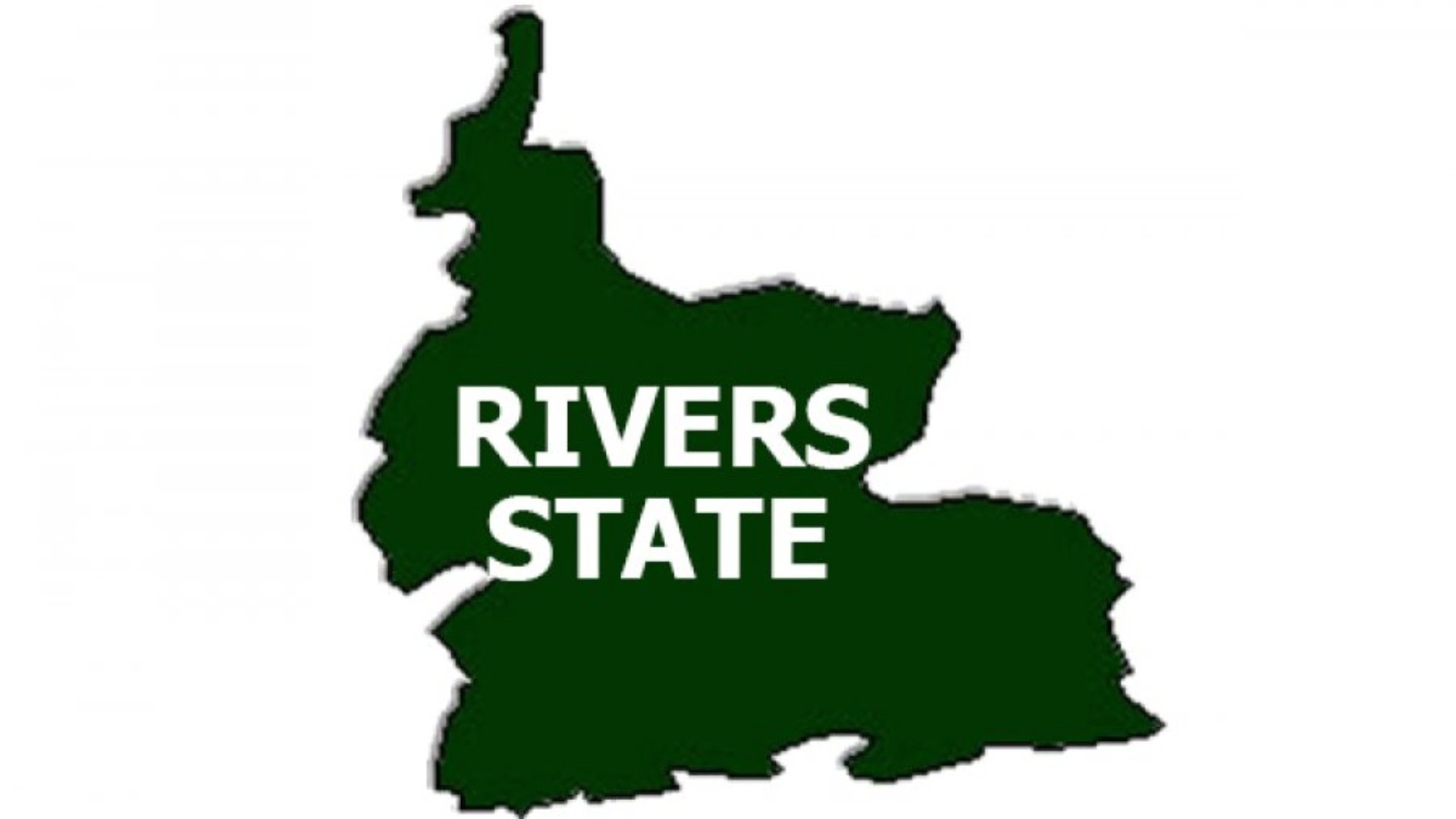

The Rivers State Internal Revenue Service has banned unauthorised tax collection across the state, directing all Ministries, Departments and Agencies (MDAs) to immediately cease the direct collection of taxes and government levies.
The directive was announced in Port Harcourt through a public notice issued by the agency’s Executive Chairman, Israel Egbunefu, who reaffirmed the government’s resolve to strengthen revenue administration and enforce strict compliance with tax regulations.
Egbunefu also urged all taxable residents to file their Annual Individual Income Tax Returns on or before March 31, 2026, in line with the Nigeria Tax Administration Act 2025.
He warned individuals and businesses against making payments to unauthorised persons or groups, stressing that all government revenues must be processed through designated RIRS platforms after proper assessment.
The directive applies to all categories of taxpayers, including public and private sector workers, self-employed individuals, business owners and professionals operating within Rivers State.
According to the RIRS boss, timely filing of tax returns is critical to promoting transparency, improving efficiency in tax administration and ensuring full compliance with national tax laws.
He cautioned that failure to meet the deadline could attract penalties and other sanctions, urging taxpayers to ensure that their 2025 returns are accurately completed and submitted through approved channels.
The agency also instructed MDAs to halt the direct collection of taxes, levies and other revenues, noting that the move is designed to enhance accountability, block leakages and establish a transparent, centralised revenue system.
Egbunefu reiterated that RIRS remains the only body legally authorised to assess and collect revenues on behalf of the state government under the Rivers State Board of Internal Revenue Service Law.
He further warned against the use of third-party agents for revenue collection, describing the practice as illegal and a major contributor to revenue leakages.
The agency stressed that any MDA or individual found violating the directive would face legal consequences, underscoring the state government’s zero-tolerance stance on illegal revenue practices.