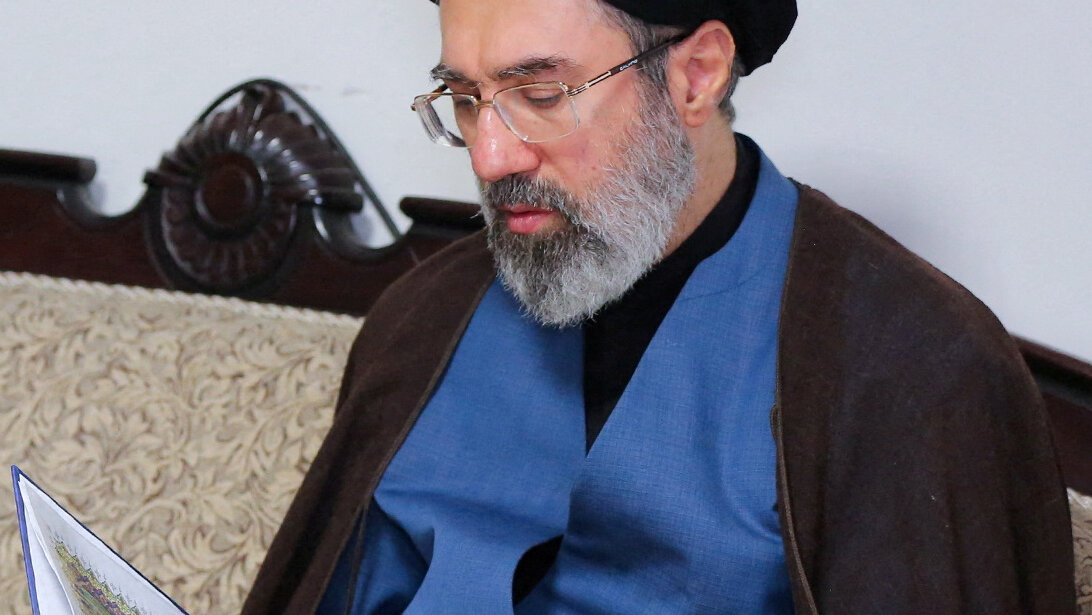

Iran has installed Mojtaba Khamenei, son of former Supreme Leader Ayatollah Ali Khamenei, as the country’s new Supreme Leader, marking the first dynastic succession in the Islamic Republic. The appointment, approved by the Assembly of Experts, comes as Iran faces ongoing missile and drone attacks across Israel and Gulf states, escalating the region’s conflict.
Since the leadership change, Iran has launched multiple strikes targeting Israeli and Western-aligned interests, while Israel and the United States have carried out joint operations against thousands of Iranian military targets. Russian officials have confirmed providing Iran with military and intelligence support during the conflict.
The humanitarian impact is severe. Over 1,200 deaths and 12,000 injuries have been reported in Iran, including women, children, and medical staff, while hospitals struggle to cope. Bombings of oil depots and facilities have released toxic smoke, raising long-term environmental and health concerns for nearby communities.
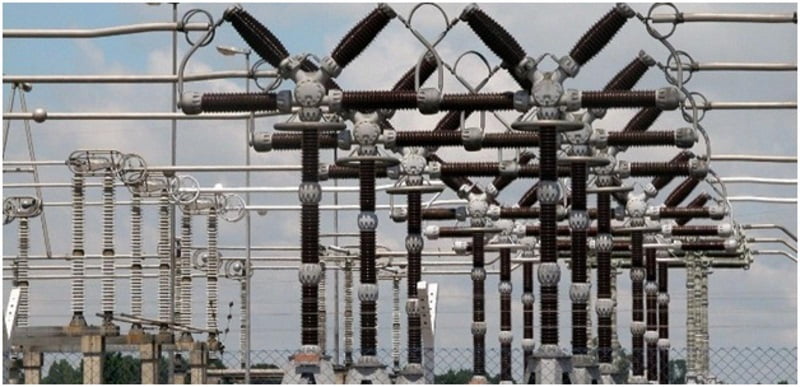
Global markets are reacting sharply. Crude oil prices have surged above $100 per barrel, creating a ripple effect worldwide. In Nigeria, fuel prices are rising dramatically, with petrol potentially hitting N2,000 per litre and diesel N3,000, threatening transportation costs, food prices, and household budgets. Analysts warn that continued conflict could intensify inflation and strain the naira, Nigeria’s currency, while exposing the country’s reliance on imported refined petroleum products.
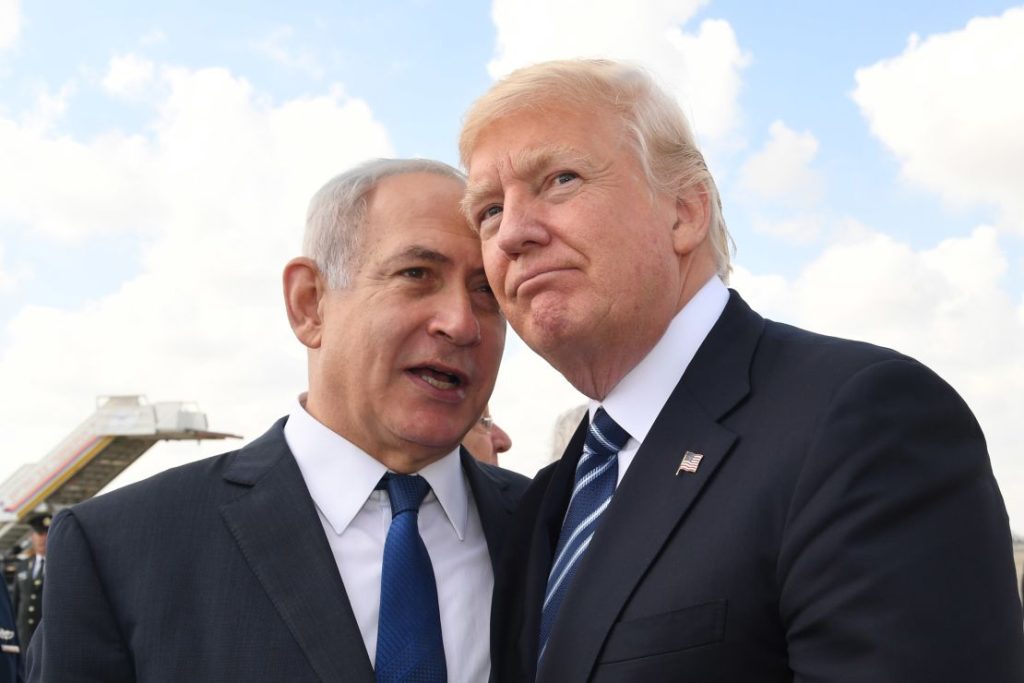
President Donald Trump has signaled a possible end to the conflict, but experts warn that the campaign shows signs of “mission creep,” complicating prospects for a negotiated pause. Diplomats, including the UAE ambassador to the UN, have called for urgent de-escalation to avoid further regional instability.
Industry experts in Nigeria are urging expansion of local refining capacity to reduce dependence on imported fuels and mitigate the economic shock from global oil price volatility. Meanwhile, ordinary Nigerians face rising living costs as the conflict continues to affect energy markets and supply chains worldwide.