
Fresh diplomatic tensions between the United States and Iran have cast a shadow over the 2026 FIFA World Cup, with reports suggesting that Germany, Spain and Iran are considering pulling out of the tournament.
The concerns follow coordinated airstrikes by the United States and Israel on multiple cities in Iran, targeting nuclear and ballistic missile facilities. The escalation has intensified geopolitical uncertainty just months before the World Cup kicks off across the United States, Canada and Mexico.
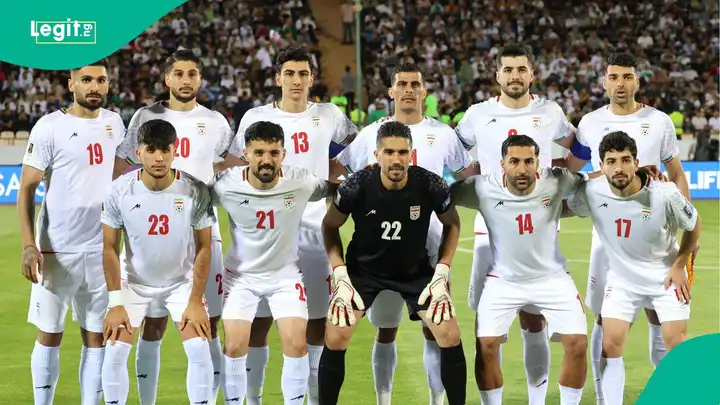
Iran is reportedly the latest nation reviewing its participation, amid fears over security and diplomatic fallout. High-profile figures, including former FIFA President Sepp Blatter, have also raised questions about staging the tournament in the United States under the current climate.
Expert: Postponement Unlikely Unless Conflict Spreads
Football business analyst Professor Simon Chadwick told SPORTbible that postponing the tournament remains unlikely—unless the conflict expands beyond the Middle East.
“We have three months to the World Cup in the US, Canada and Mexico; postponement of the tournament to next year seems unlikely,” he said.
“It would be a major challenge to reschedule the biggest football event in the world, as it will affect logistics, economics and politics.”
Chadwick stressed that as long as the conflict remains geographically contained, FIFA and tournament organisers would struggle to justify a delay. However, he warned that escalation into Europe or North America could dramatically change calculations.
“If air travel is disrupted or oil supplies are significantly affected, practical considerations might force FIFA and the US to think about alternative arrangements for the competition.”
Security Concerns for Participating Nations
Iran—drawn in Group G—are scheduled to play all their matches in the United States, potentially heightening security sensitivities.
The 2026 World Cup is set to begin in 98 days, with Mexico facing South Africa in the opening match in Mexico City. The United States will host 78 matches, including the final, while Mexico and Canada will each stage 13 games.
The unfolding geopolitical crisis now threatens to test FIFA’s ability to shield the world’s biggest sporting event from global political shockwaves.