
Opposition leaders from the African Democratic Congress (ADC) and New Nigeria Peoples Party (NNPP) have intensified calls for an urgent amendment to the Electoral Act 2026, describing it as anti-democratic and a threat to free and fair elections ahead of the 2027 general elections.
Opposition Leaders Decry “Anti-Democratic” Provisions
Speaking at a press briefing in Abuja on Thursday, NNPP National Chairman Ajuji Ahmed condemned provisions that restrict political parties to direct primaries and consensus nominations, shorten campaign periods, and delay INEC funding to six months before elections.
“We therefore state unequivocally that the new Electoral Act is anti-democratic, and its implementation will undermine electoral transparency and the sanctity of the ballot,” Ahmed said.
The opposition specifically criticised Section 60(3), which they argue grants presiding officers wide discretionary powers over electronic transmission of results, undermining the integrity of the BVAS system. Ahmed referenced statements from former INEC officials confirming the technology’s reliability and internet coverage across the country.
The leaders also argued that restricting party primaries under Section 84 encroaches on parties’ constitutional autonomy.
“There is nothing undemocratic about indirect primaries… the mode of nominating candidates should be strictly the internal affair of political parties,” Ahmed added.
Calls for Judiciary and Institutional Reform
The opposition also criticised the judiciary, accusing it of being complicit in undermining democracy by failing to act impartially in electoral disputes. Former Vice-President Atiku Abubakar warned that the erosion of democratic norms in Nigeria could have ripple effects across Africa, urging unity among opposition parties to restore electoral integrity.
Former 2023 APC presidential aspirant Rotimi Amaechi emphasised that the challenge is not President Bola Tinubu, but rather the strategic disunity among opposition parties. Former Labour Party candidate Peter Obi highlighted economic mismanagement, rising poverty, and insecurity under the APC-led government as urgent national concerns.
Senate Dismisses Agitation
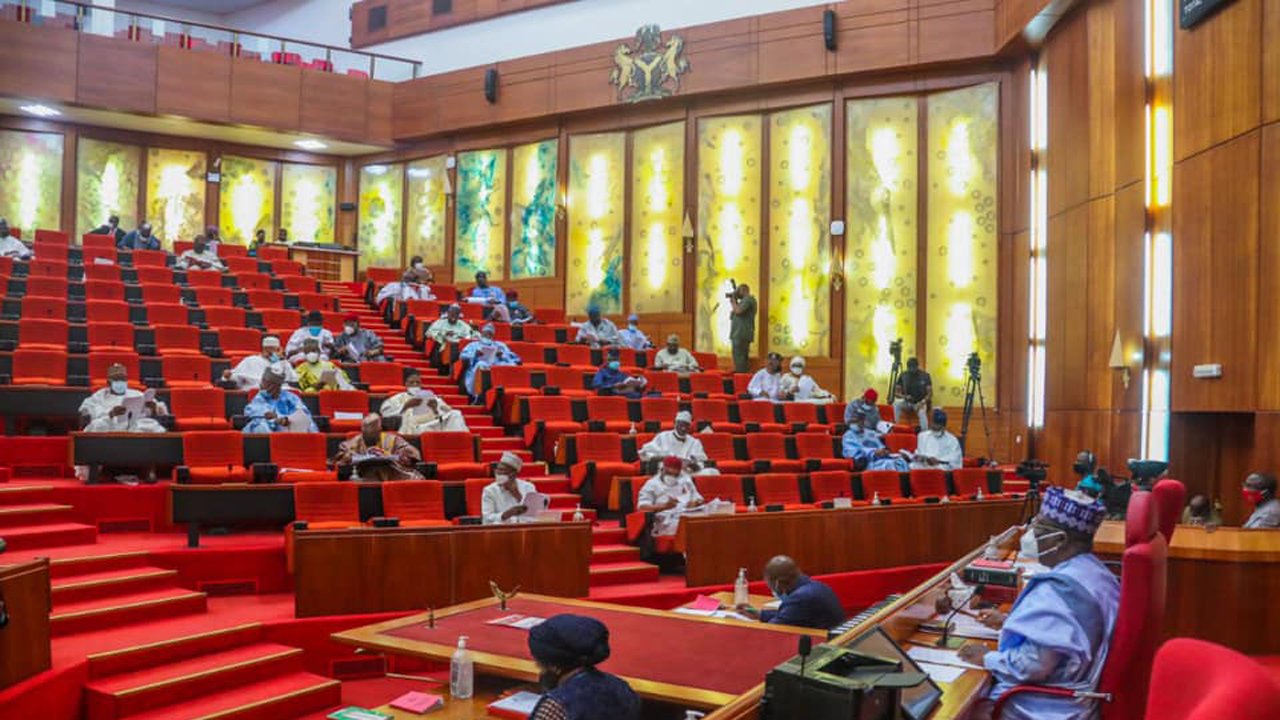
In response, the Senate urged opposition leaders to channel their concerns through formal legislative processes rather than stir political tensions.
Senate spokesman Yemi Adaramodu likened the renewed calls for amendment to a belated action after the law’s passage, while Senator Orji Uzor Kalu stressed that amending the Electoral Act is strictly the prerogative of the National Assembly.
“The opposition should stop heating up the polity… if they are not comfortable with the current administration, they should contest against Mr President in 2027,” Kalu warned.
Rising Political Tensions Ahead of 2027
The exchange underscores escalating pre-election manoeuvres, with opposition parties pressing for reforms to ensure electoral transparency, while the Senate insists constitutional processes must be followed. Analysts say the debate over the Electoral Act 2026 could become a defining issue in Nigeria’s political landscape leading up to the 2027 polls.