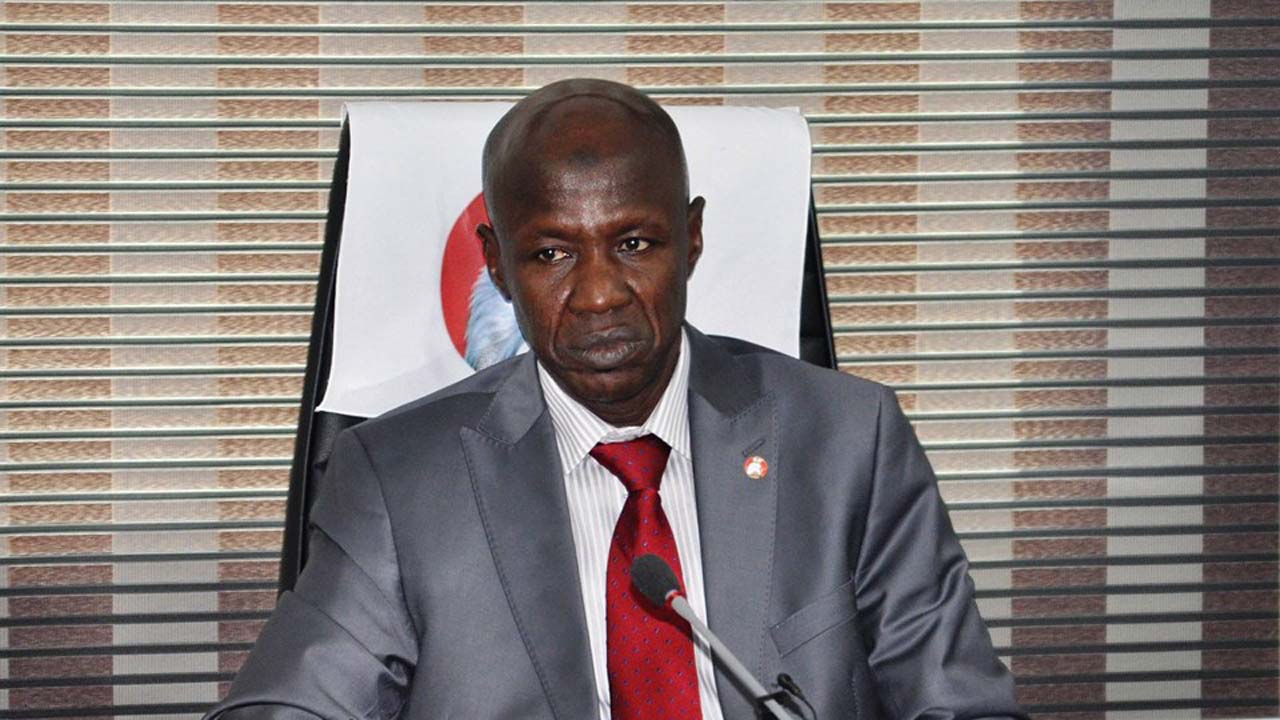

The decision by Abba Atiku Abubakar, son of former Nigerian Vice President and 2023 presidential candidate Atiku Abubakar, to defect to the ruling All Progressives Congress (APC) has stirred political debate—but opposition figures and analysts say the move is unlikely to reshape Nigeria’s political landscape.
Abba Atiku was formally received into the APC at the National Assembly by the Deputy Senate President, Barau Jibrin, alongside other senior party officials from northern Nigeria. Announcing his switch, he said he was leaving the party he worked with during the 2023 elections to align with the APC.
The defection raised eyebrows largely because Atiku Abubakar is widely believed to be weighing a 2027 presidential run on the platform of the African Democratic Congress (ADC), a party positioning itself within the broader opposition coalition.
Atiku distances himself from son’s decision
Reacting publicly, Atiku Abubakar played down the significance of the development, describing his son’s decision as a private political choice.
Posting on his official X account, the former vice president said democratic principles demand freedom of conscience, even within families.
“The decision of my son, Abba Abubakar, to join the APC is entirely personal,” he wrote, adding that he neither coerces his children nor Nigerians in political matters.
ADC leaders: ‘No threat to Atiku’s base’
Officials of the ADC were quick to dismiss claims that Abba Atiku’s move could weaken the party or dent Atiku Abubakar’s influence.
Speaking to DAILY POST, the Director-General of ADC Media Vanguard, Comrade Aliyu Haidar, argued that the defection had been exaggerated and carried little political weight.
According to him, Abba Atiku is not a political force capable of shifting loyalties or influencing voter behaviour. He added that the group Abba claimed to represent had already distanced itself from him.
“There is no cause for alarm among Atiku Abubakar’s supporters in the ADC,” Haidar said, insisting the episode would have no bearing on the party’s plans.
Analysts see minimal electoral consequences
Political analysts have echoed similar views. Professor Kamiku Sani Fagge, a political science scholar, said the defection would not affect Atiku Abubakar’s popularity or acceptance among voters.
He noted that such moves often attract media attention but rarely influence voting decisions.
“Voters are largely indifferent to these developments,” he said, describing the episode as politically insignificant.
Professor Fagge added that any potential alliance involving figures such as Peter Obi and Rabiu Musa Kwankwaso on the ADC platform would pose a far greater challenge to Atiku Abubakar than his son’s defection.
Focus shifts to 2027 calculations
While the APC has welcomed Abba Atiku into its ranks, attention is now turning to whether his defection will translate into any tangible advantage for the ruling party ahead of the 2027 general elections.
Some commentators argue that the move could be interpreted as a quiet vote of no confidence in Atiku Abubakar’s presidential ambitions. Others insist it will fade quickly from public memory.
For now, Nigeria’s political class appears divided—but the prevailing view among analysts is that the defection is more symbolic than strategic, with limited consequences for either camp.