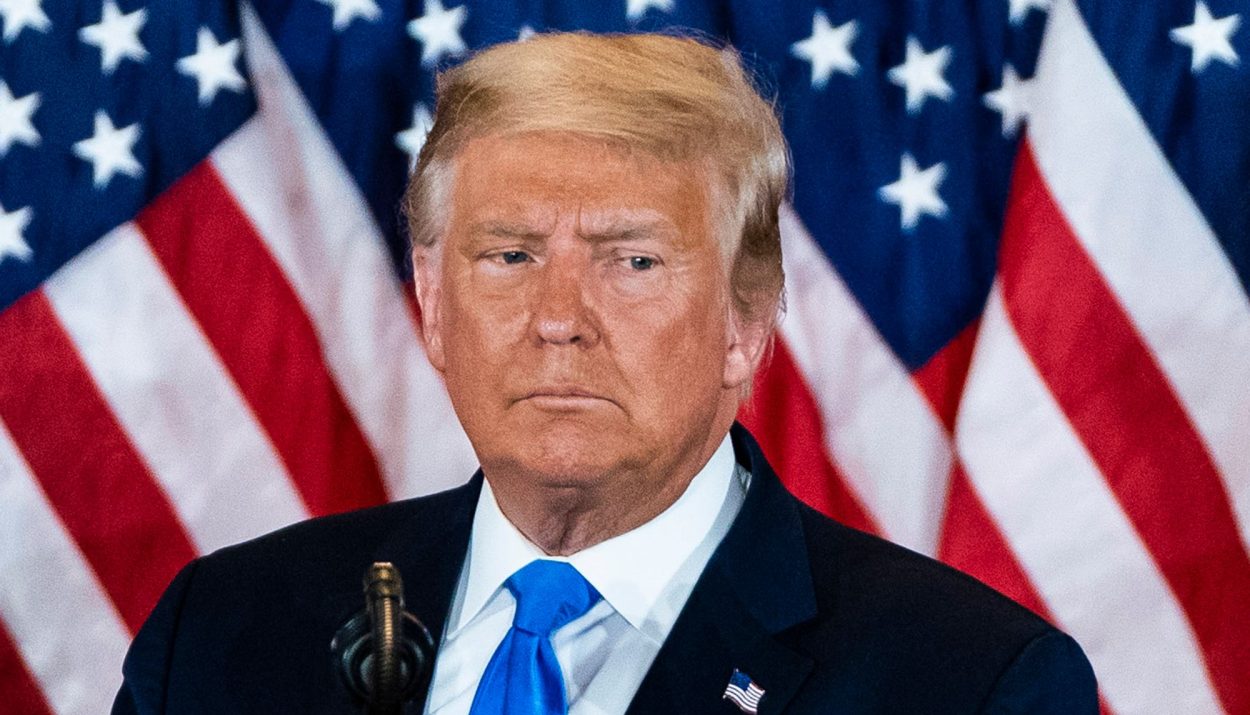

President Donald Trump has signed a fresh presidential proclamation expanding United States travel restrictions, with Nigeria and 15 other countries newly added to a list facing partial entry limitations. The decision marks a significant escalation in Washington’s immigration and border security policy.
The proclamation, signed on Tuesday, forms part of what the White House describes as tighter standards for foreign travel into the US, driven by security reviews and compliance assessments. Officials say the move is aimed at strengthening screening procedures and reducing potential security risks.
Countries newly placed under partial restrictions include Angola, Antigua and Barbuda, Benin, Côte d’Ivoire, Dominica, Gabon, The Gambia, Malawi, Mauritania, Nigeria, Senegal, Tanzania, Tonga, Zambia and Zimbabwe. Nationals from these countries will face additional scrutiny and limitations when seeking entry into the US.
The order also maintains full travel restrictions on 12 countries previously classified as high-risk. They are Afghanistan, Burma, Chad, the Republic of the Congo, Equatorial Guinea, Eritrea, Haiti, Iran, Libya, Somalia, Sudan and Yemen.
In addition, full restrictions have now been imposed on Burkina Faso, Mali, Niger, South Sudan and Syria following updated security assessments. The proclamation also applies to individuals holding travel documents issued by the Palestinian Authority. Laos and Sierra Leone, previously under partial measures, have been moved to the full restriction category.
Partial restrictions, however, remain in place for Burundi, Cuba, Togo and Venezuela, while Turkmenistan has seen a partial easing. The US government cited improved cooperation with American authorities as grounds for lifting nonimmigrant visa bans on Turkmenistan, although immigrant visa limits remain.
The proclamation outlines several exemptions, including lawful permanent residents, existing visa holders, diplomats, athletes, and individuals whose travel is deemed to serve US national interests. The latest move underscores the Trump administration’s continued hardline stance on immigration and national security as global scrutiny intensifies.