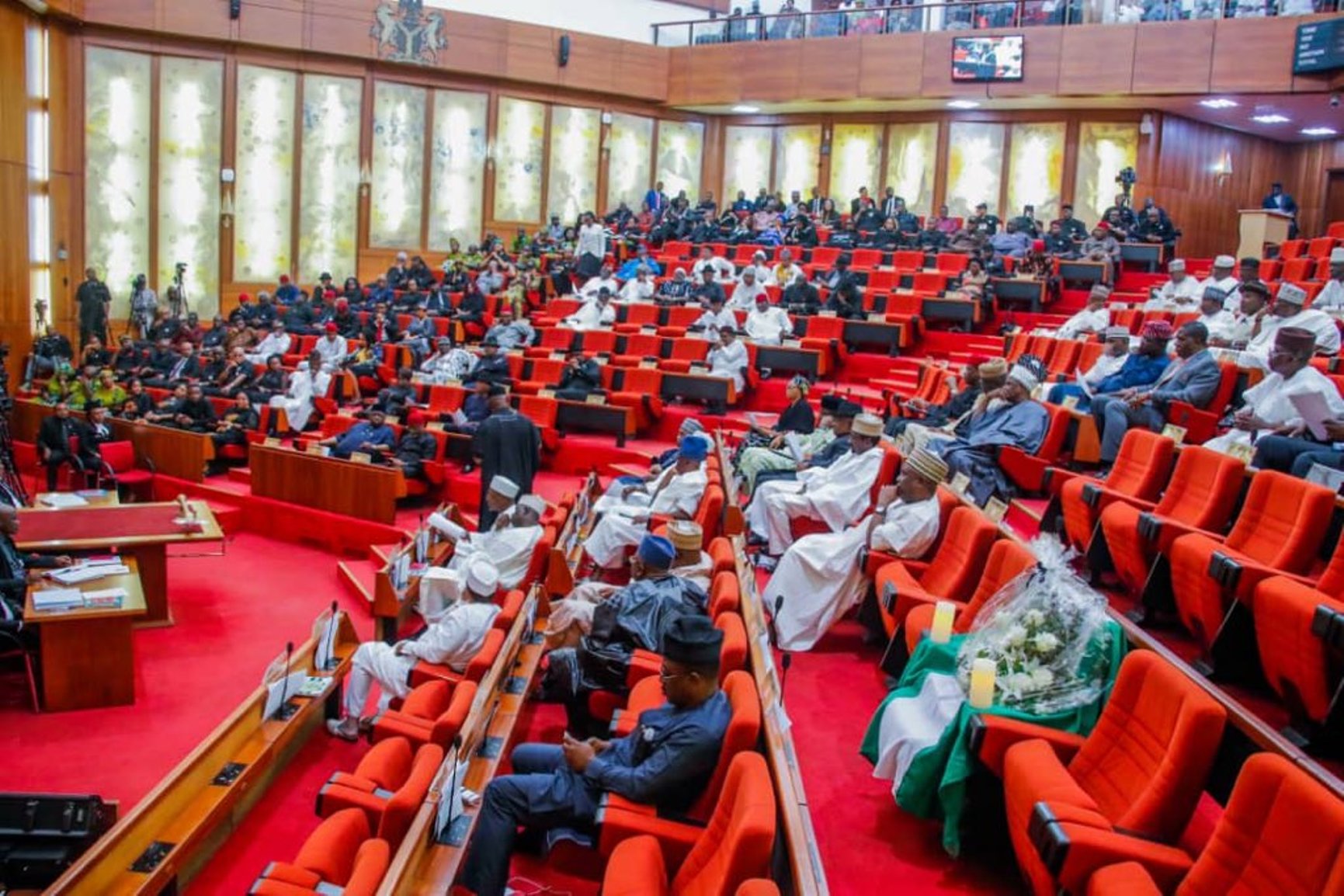

The Nigerian Senate faces widespread criticism over its proposal to increase excise duties on non-alcoholic beverages, including soft drinks, energy drinks, and flavored beverages. Economists, business groups, and citizens have raised concerns about the potential economic fallout of the plan.
The proposal, pushed by the Senate Committee on Finance and sponsored by Senator Ipalibo Harry Banigo, seeks to amend the Sugar-Sweetened Beverage (SSB) tax. Currently a fixed N10 duty per liter under Section 21(3) of the Customs and Excise Tariffs (Consolidation) Act, the bill aims to convert it into a percentage-based levy on retail prices, with revenues earmarked for the health sector.
Critics argue the move could intensify financial strain on households and businesses. The Centre for the Promotion of Private Enterprise (CPPE) warned that the tax hike could lead to factory closures, rising retail prices, and large-scale layoffs, potentially crippling small businesses across the country.
Economist and former university lecturer, Prof. Godwin Oyedokun, highlighted the wider economic consequences, noting that higher excise duties would likely reduce consumer demand, hurt small traders, and threaten jobs throughout the beverage value chain. He warned that consumers, particularly low-income earners, students, and families, would bear the brunt of price increases.
Mazi Okechukwu Unegbu, former president of the Chartered Institute of Bankers, condemned the plan, urging the government to suspend new taxes amid widespread financial hardships. “They should not kill Nigerians with taxes all over the place. They should be reasonable in their proposals,” he said, stressing the need for fiscal relief.
Prof. Oyedokun also questioned the projected revenue gains, noting that consumers often shift to cheaper or informal alternatives when faced with higher costs, potentially undermining government targets. He warned that the timing is “misaligned with current economic realities,” pointing to high inflation, rising transport costs, and shrinking purchasing power.
The proposed excise duty hike follows a previous suspension of similar taxes in 2023 after objections from manufacturers and labor groups. Economists argue that pushing forward with the new levy could discourage investors and destabilize policy confidence. Alternative measures such as improving tax administration, expanding the tax net, and reducing leakages were recommended instead.