
The Imo State Economic Summit in Owerri ended on an optimistic note as Africa’s richest man, Aliko Dangote, and former UK Prime Minister Boris Johnson delivered powerful messages that electrified the two-day gathering. Dangote, dressed in a dark blue traditional kaftan and speaking with unusual urgency, offered Governor Hope Uzodimma what he called a “blank cheque” for investment in the state, pledging that the Dangote Group would become one of Imo’s biggest investors.
His announcement drew thunderous applause across the packed hall, especially as he urged the state to identify priority sectors where his conglomerate could make immediate commitments. With Imo’s vast deposits of gas, limestone, expansive agricultural land and other unexploited resources, observers say the state now faces a defining opportunity to reverse decades of industrial stagnation.
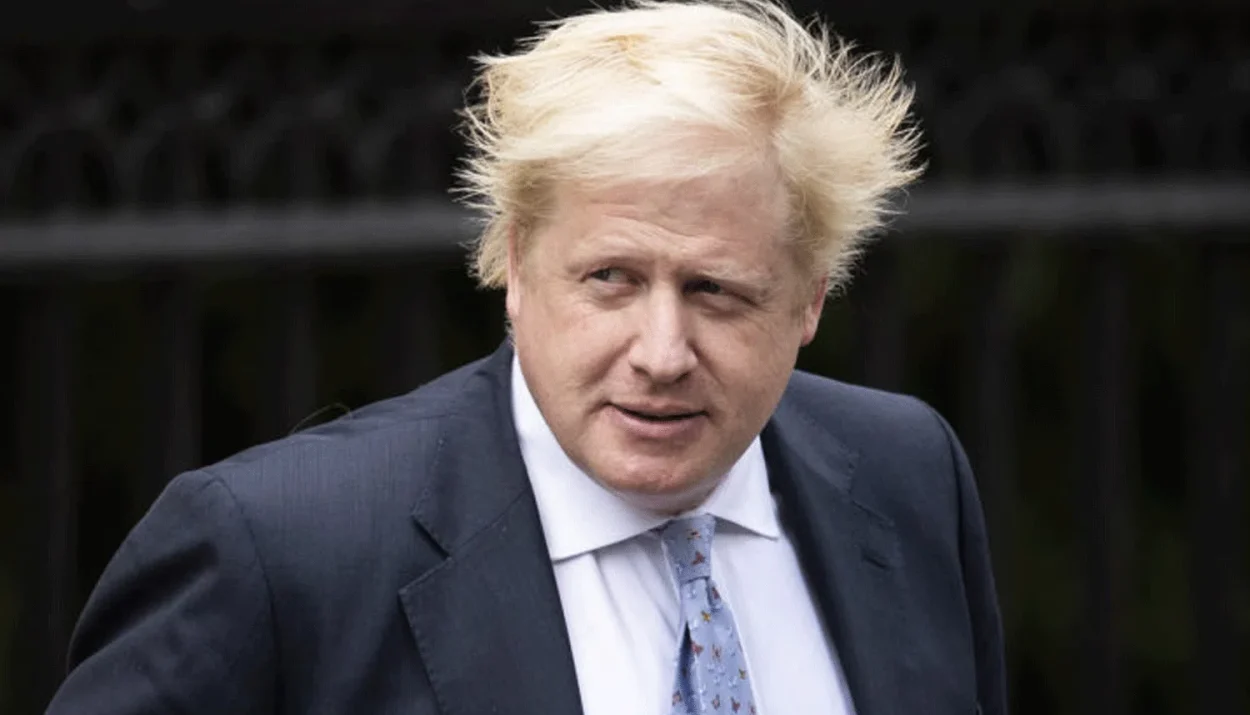
Boris Johnson, who spoke shortly after Dangote, brought a different energy to the summit, expressing deep admiration for Nigeria and describing Owerri as “perfectly safe.” He recalled warnings about security before his trip but insisted he felt “completely secure” in the state capital, praising Uzodimma for improving infrastructure, strengthening rule of law and stabilising the environment for investment.
Across the two days, the event took on the character of a continental forum rather than a state-level meeting, with leaders including Liberian President Joseph Boakai, former UN Secretary-General Ban Ki-moon, and former Mauritian President Ameenah Gurib-Fakim outlining Africa’s growing role in the global economy. They urged African states to deepen partnerships, strengthen institutions and embrace green energy, while pledging support for Imo’s renewed economic ambitions.
President Bola Tinubu, represented by Vice President Kashim Shettima, also commended Uzodimma’s infrastructure drive and declared Imo “open for business.” He celebrated the Igbo entrepreneurial spirit, describing Ndigbo as the “greatest stakeholders in the Nigerian project,” and affirmed the Federal Government’s readiness to support investments that unlock Imo’s economic potential.
Uzodimma, reflecting on the summit’s significance, noted that Imo will turn 50 in two months but has suffered from a flawed development model rooted in weak infrastructure, unreliable power supply and inefficient land administration. He said his administration chose to first rebuild the foundations—roads, power, security and stability—and he proudly declared those pillars now strong enough to support large-scale industrialisation.
With more than 120 strategic roads already completed and new investments expected following Dangote’s pledge, analysts say Imo may be on the brink of long-awaited economic transformation. Should the summit’s promises materialise, Uzodimma could earn a place in history as the governor who moved the state beyond its reputation as a hotel-dominated economy into a true regional industrial hub.