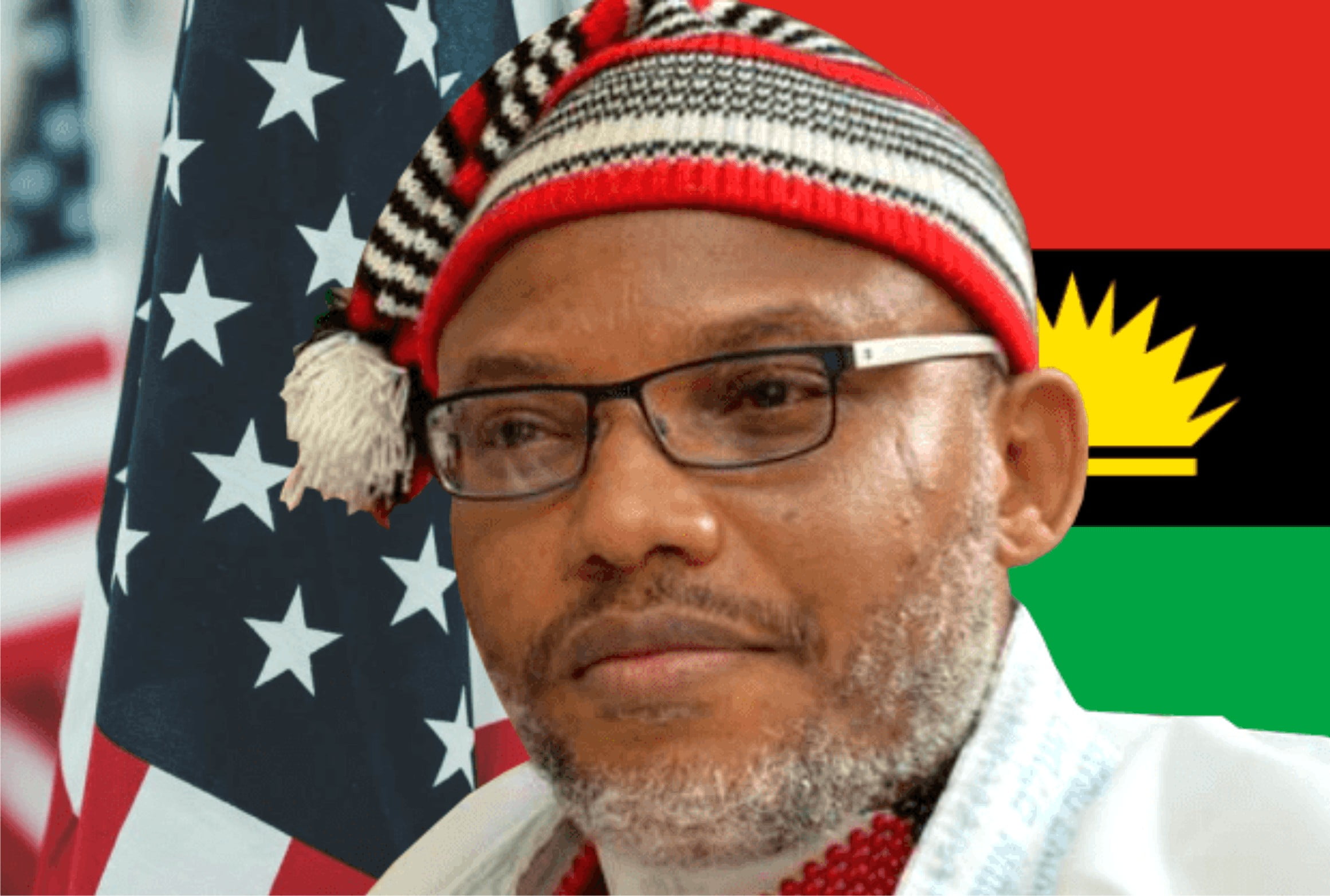

The Indigenous People of Biafra has condemned the life sentence handed to its detained leader, Nnamdi Kanu, describing the judgment delivered by Justice James Omotosho of the Federal High Court, Abuja, as unconstitutional and fundamentally defective. The group insisted that Kanu committed no offence recognised under Nigerian or international law.
A statement issued on Friday by IPOB’s spokesman, Emma Powerful, argued that Kanu’s actions amounted to agitation for self-determination, which the group said is protected under international conventions, including the African Charter on Human and Peoples’ Rights and the International Covenant on Civil and Political Rights. The group accused the court of criminalising a legitimate political demand.
Powerful criticised Justice Omotosho for allegedly refusing to apply Section 36(12) of the 1999 Constitution, which stipulates that no person can be convicted unless the offence and penalty are clearly defined in a written law. He described the ruling as “riddled with contradictions, defects and illegalities,” adding that IPOB would soon publish a detailed rebuttal.
The group maintained that no weapons, attack plans or credible witness testimony had ever linked Kanu to terrorism, insisting that the prosecution’s case was based solely on his broadcasts and political commentary. It argued that the federal government was attempting to equate calls for a referendum with armed violence, a position IPOB said cannot stand in law.
IPOB further claimed that insecurity in the South-East escalated while Kanu was in the custody of the Department of State Services, insisting that criminal activities recorded during that period could not be attributed to him. It accused the security agencies of failing to account for alleged extrajudicial killings targeting IPOB members during operations such as “Python Dance.”
The group also questioned what it called the legal basis for Kanu’s conviction, alleging that the judge relied on repealed statutes and ignored binding decisions of higher courts. It challenged Justice Omotosho to specify the existing written law used to justify the life sentence, describing the judgment as “a clear violation of constitutional safeguards.”
IPOB said it will continue to engage international bodies and push for a United Nations-supervised referendum on Biafra. It insisted the conviction will not stop the movement, describing the ruling as an attack on fundamental rights rather than a legitimate counter-terrorism measure.