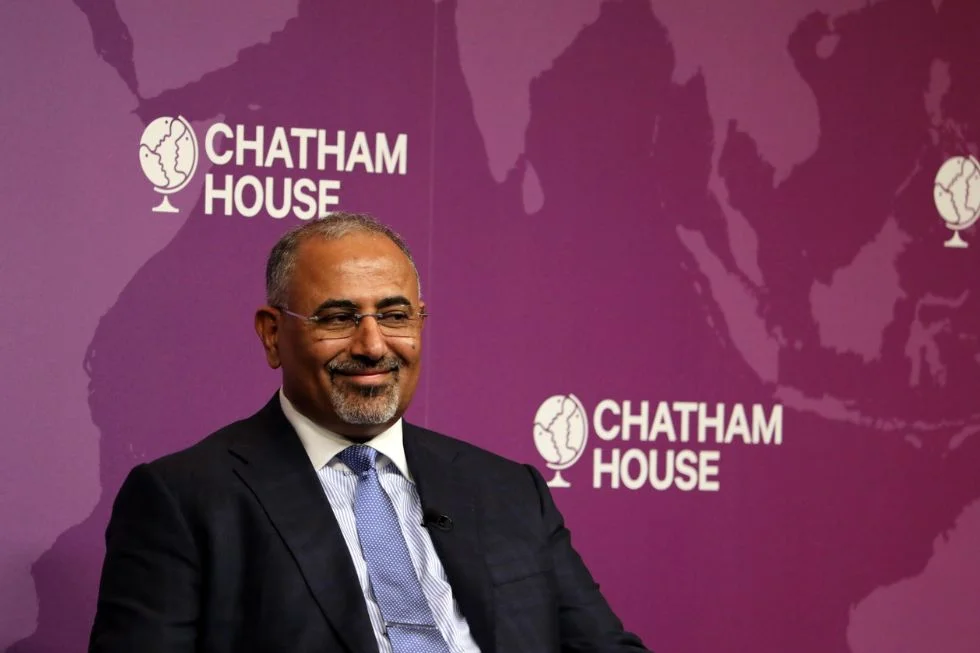

Yemen’s delicate political balance faces a new test after Vice President Aidrous Al-Zubaidi, who also heads the Southern Transitional Council (STC), made a sweeping move by appointing 14 officials across key government and economic positions — a direct challenge to the authority of Presidential Leadership Council (PLC) Chairman Rashad Al-Alimi.
The appointments, announced on September 10, cut across ministries, local administrations, and the oil sector — including new deputy governors in six southern governorates and senior officials for information, industry, and land planning. It is the boldest assertion of southern autonomy since the PLC’s creation in 2022.
Analysts see the move as a calculated political statement rather than a routine reshuffle. “The South will no longer accept symbolic representation while being sidelined from real governance,” a senior STC member said, reflecting growing frustration with the central government’s perceived failure to implement power-sharing agreements.
The STC issued a sharp statement accusing unnamed “power centers” of blocking salary payments and undermining commitments made under the 2019 Riyadh Agreement and 2022 Riyadh Consultations. The message was unmistakable — the South will act unilaterally to protect its interests if sidelined further.
In a televised warning, STC Political Bureau Chairman Anis Al-Sharafi threatened to declare a state of emergency if the appointments were obstructed, a sign of the growing tension within the PLC. Negotiator Nasser Al-Khobaji also criticized what he described as the council’s “absence of executive regulations” and lack of strategy toward the Houthi insurgency.
The divisions go beyond the STC. Other PLC members, including Tariq Saleh of the National Resistance, have accused Chairman Al-Alimi of monopolizing decision-making. Observers say the council is struggling to maintain cohesion three years after its establishment to unite anti-Houthi forces.
Economic hardship, corruption, and chronic electricity shortages have triggered protests in Aden, Hadramout, and Al-Dhalea, heightening pressure on the STC to show effective leadership. Al-Zubaidi’s latest appointments appear aimed at demonstrating that the South can govern — not just demand inclusion.
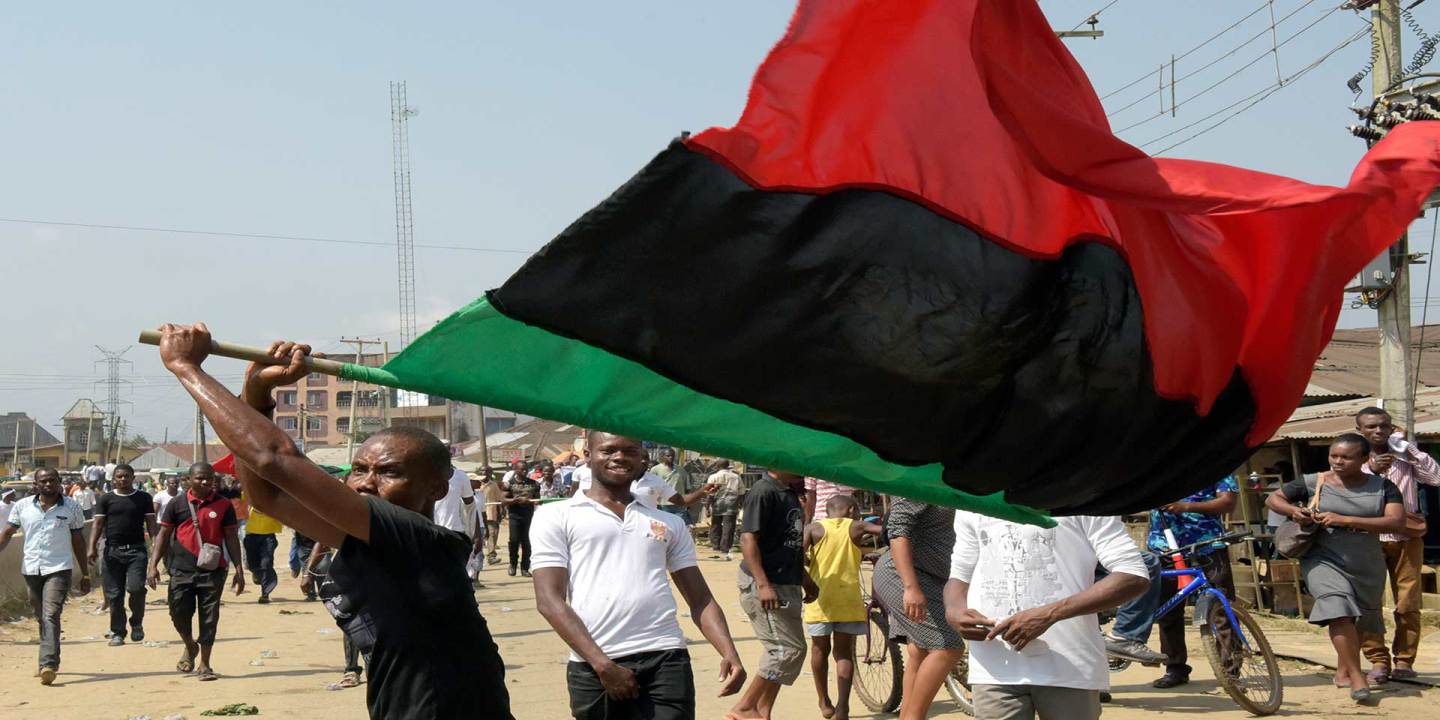
Whether the appointments stand or are overturned, the message is clear: the era of token southern participation is ending. The South’s political movement is transitioning from protest to power — asserting not only a claim to partnership within Yemen but also the right to self-determination.
As Yemen’s fragile coalition government grapples with division, Al-Zubaidi’s defiance underscores a deeper truth: the South is no longer asking for recognition — it is taking it.