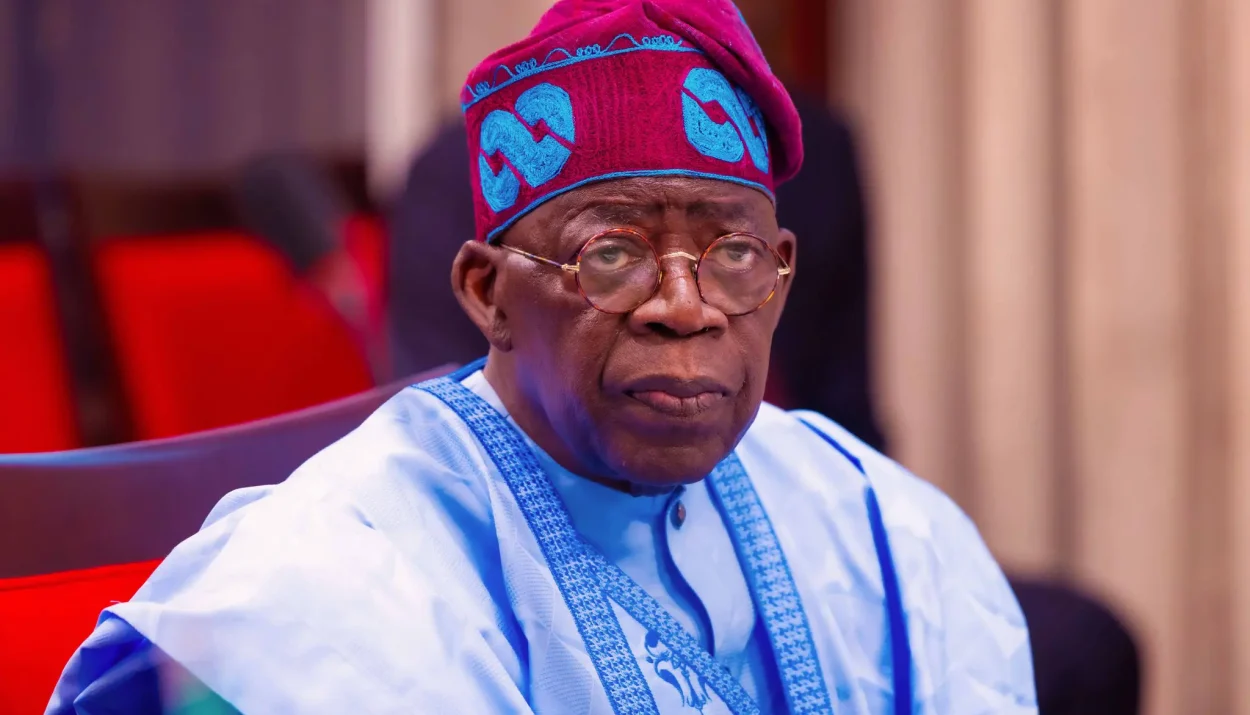

President Bola Ahmed Tinubu is facing mounting pressure from the African Democratic Congress (ADC) to explain the “real reasons” behind his unexpected dismissal of key Service Chiefs, barely two years after appointing them. The ADC described the move as “suspiciously timed” and “politically unsettling,” coming just weeks after unconfirmed reports of an attempted coup rocked the nation’s security circles.
In a statement released on Thursday, October 24, 2025, by its National Publicity Secretary, Mallam Bolaji Abdullahi, the ADC demanded transparency from the Presidency, insisting Nigerians deserve more than the “official silence and vague justifications” currently on offer. Abdullahi argued that while the President has the constitutional power to reshuffle the military leadership, the abrupt nature of this action raises legitimate concerns about what truly transpired behind closed doors.
The statement pointed out that several of the dismissed military chiefs, including the Chief of Defence Staff, General Christopher Musa, were still relatively new in their positions, with Musa only elevated in 2024. “It is unusual for an administration to overhaul its entire security command within such a short period without providing clear reasons,” Abdullahi said, warning that the decision could destabilize internal military morale and unsettle Nigeria’s already fragile security architecture.
Political observers have noted that the shake-up coincides with growing tension within the ranks of the armed forces, following reports of internal discontent and intelligence leaks suggesting divisions over counter-insurgency strategies in the North-East. Data from the Global Terrorism Index 2025 also showed that Nigeria recorded over 1,900 conflict-related deaths between January and September—an increase of nearly 18% compared to 2024—raising fresh doubts about the effectiveness of the nation’s security command.
The ADC criticized the Tinubu administration for allegedly diverting attention from urgent national priorities, arguing that insecurity, banditry, and kidnapping have continued to escalate despite heavy defense spending. The party said the government must provide a credible explanation to prevent speculation and conspiracy theories that could further polarize the country. “The Nigerian public must be reassured that democracy is not under threat and that these changes were not forced by internal or external pressure,” the statement emphasized.
Security analysts are warning that the government’s silence could fuel instability, noting that similar sudden changes in military leadership in other West African states—like Chad and Burkina Faso—preceded coups or institutional breakdowns. The ADC, while reaffirming its commitment to democratic stability, urged Tinubu to address the nation directly and provide a comprehensive briefing on the circumstances surrounding the dismissals.
“As an opposition party, our concern is not politics but the peace and unity of Nigeria,” the ADC declared. “We must learn from our neighbors across the Sahel, where poor communication and political distraction created openings for military takeovers. The President must lead with clarity, transparency, and trust.”