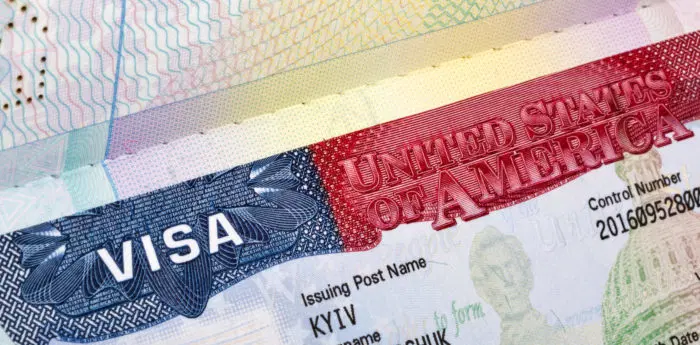

The United States Mission in Nigeria has vowed to deny visas to corrupt Nigerian officials, declaring that “fighting corruption knows no borders.”
In a post on X, the Mission said high-profile individuals implicated in corruption would be banned from entering the US, stressing its commitment to global accountability.
“Even when high-profile individuals engage in corruption, they can be barred from receiving U.S. visas,” the Mission warned.
The announcement reinforces Washington’s long-standing policy of sanctioning Nigerian politicians and business leaders accused of graft, a move it says is necessary to curb corruption and strengthen democratic governance.
Meanwhile in the UK, Reform Party leader Nigel Farage unveiled a hardline immigration policy that would abolish Indefinite Leave to Remain (ILR) — the right to permanent settlement after five years — if his party wins the next election.
Farage argued that Britain “should not be the world’s food bank,” insisting migrants should reapply for visas every five years under tougher conditions, including stricter salary thresholds and English language standards.
The plan, which Reform claims would save £234 billion over several decades, would also bar non-citizens from accessing welfare benefits. Critics, including Chancellor Rachel Reeves, dismissed the cost-saving claims as “baseless,” warning the proposals risk destabilising the UK’s labour market.
Currently, more than 200,000 people with ILR are receiving Universal Credit, according to the Department for Work and Pensions. Reform UK has branded this influx the “Boris wave” — referring to looser post-Brexit migration rules under former Prime Minister Boris Johnson.
The dual announcements highlight the growing global focus on corruption and migration — issues shaping politics in both Nigeria and the West.