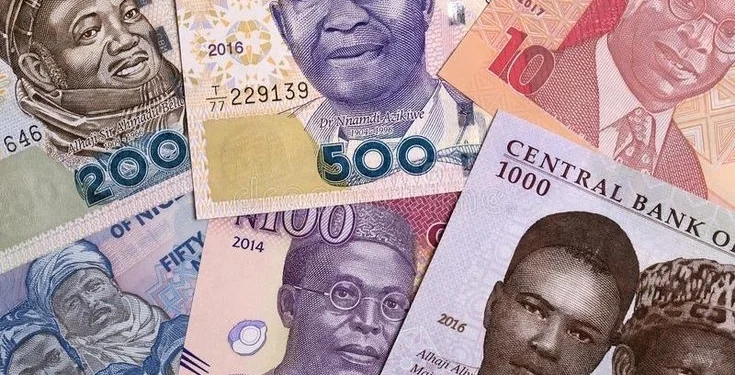

A major shift is unfolding in Nigeria’s forex market as Chinese traders are increasingly accepting naira directly for yuan transactions, bypassing the dollar. Forex traders say this development, alongside the rise of peer-to-peer (P2P) currency exchanges, is easing pressure on the naira and contributing to the relative stability of the exchange rate in recent weeks.
The turning point comes years after Nigeria signed its first currency swap deal with China in 2018, originally worth $2.5 billion. Renewed in December 2024 for another $2 billion, the swap allows businesses in both countries to trade directly in naira and yuan without converting to the dollar. China remains Nigeria’s largest trading partner, with imports from China valued at N14.14 trillion and exports exceeding N3 trillion in 2024.
According to Aminu Gwadebe, President of the Association of Bureau De Change Operators of Nigeria (ABCON), the shift has become noticeable in mining hubs and trading centres where Chinese nationals are transacting in naira for yuan. “The Chinese are now collecting naira for yuan, doing P2P. Go to any mining factory and you will see it. These two factors—P2P and the yuan swap—are injecting liquidity into the market,” he told Nairametrics.
Gwadebe stressed that the arrangement eliminates unnecessary conversions through dollars, saving costs for importers. “If a Nigerian businessman is importing from China, all he needs is yuan. Why should he buy dollars first, only to convert again to yuan? It doesn’t make sense,” he said, noting that dollar dependence has long been a burden on Nigerian traders.
Still, some experts believe the swap deal’s impact on day-to-day market realities remains limited. A Lagos-based trader identified as Yusuf explained that while the swap benefits official transactions, many importers and Chinese suppliers still prefer dollars due to its global dominance. “The swap is helpful, but on the ground its impact is very small. The dollar is still the preferred currency for many suppliers,” he said.
Concerns also linger over liquidity. Unlike dollars, pounds, or euros, the yuan is not widely available on Nigeria’s streets. This means individuals paying for school fees, medical bills, or remittances abroad often have little choice but to source dollars. The black market continues to be heavily dollarized, despite government efforts to encourage yuan use.
Analysts, however, argue that the currency swap remains a critical tool in diversifying Nigeria’s forex options, cutting dollar demand, and shoring up reserves. If sustained and expanded, the yuan-naira model could gradually reduce the economy’s dollar obsession. But for now, traders say it is a “quiet revolution” that may take time before its full impact is felt across board.