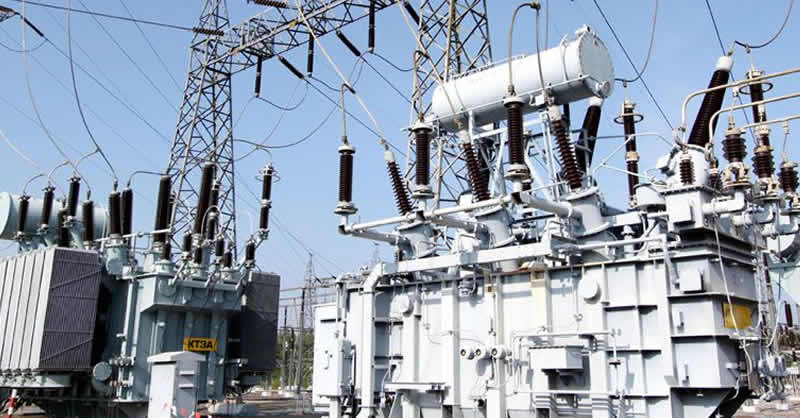

Nigeria has been plunged into another round of nationwide power outage following the collapse of the national electricity grid on Wednesday.
According to updates from the Transmission Company of Nigeria (TCN) at 12:25 p.m., only two of the country’s 11 electricity distribution companies (DisCos) received minimal supply, while the rest recorded zero megawatts.
The data showed that Abuja Electricity Distribution Company had just 20 MW, Benin DisCo received 10 MW, and Ibadan DisCo 20 MW. However, nine other DisCos — including Eko, Enugu, Ikeja, Jos, Kaduna, Kano, Port Harcourt and Yola — had no supply at all. This left the grid’s total output at a meagre 50 MW, far below the national demand.
The latest collapse comes barely weeks after similar incidents raised questions about the stability of Nigeria’s fragile power infrastructure. Industry analysts have long warned that ageing transmission lines, system mismanagement, and recurring gas supply shortages continue to trigger nationwide blackouts.
For millions of Nigerians, the impact has been immediate — businesses, hospitals, and households across the country are once again resorting to generators, solar systems, and alternative sources to keep operations running.
Neither the TCN nor the Ministry of Power had issued an official explanation at the time of filing this report. But insiders suggest that investigations are already underway to determine the cause of the collapse.
With the country’s electricity grid collapsing repeatedly within months, energy experts say urgent reforms are needed to stabilise the system and guarantee reliable power supply.