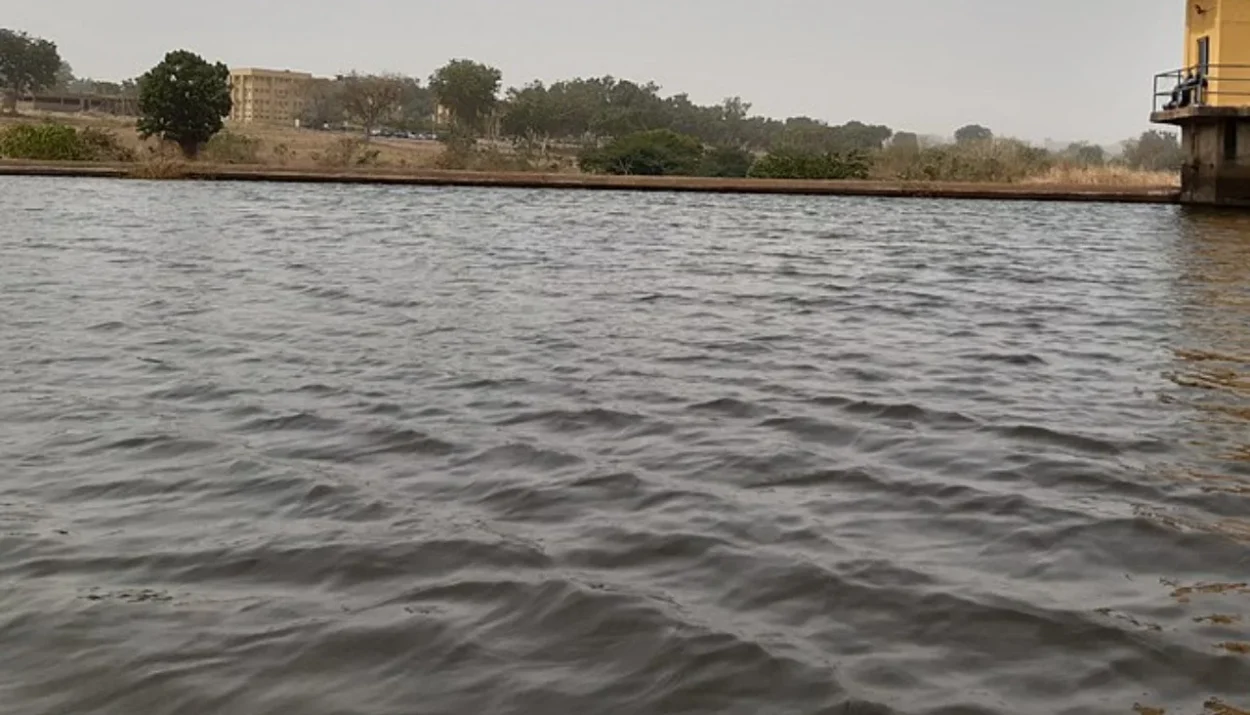

Three boys from the Water Board Internally Displaced Persons (IDP) Camp in Monguno, Borno State, drowned on Thursday morning, August 7, while swimming in a pond behind the General Hospital in the area. The tragic discovery has left the community in mourning and raised fresh concerns about child safety in displacement camps.
The deceased were identified as Mallam Gana Mohammed, Modu Audu Saleh, and Abba Ngumami — all between the ages of 10 and 14, according to local sources. Their parents had assumed they left to fetch water, only to be struck with the devastating news hours later.
According to eyewitnesses and security expert Zagazola Makama, the boys entered the pond around 7:40 a.m. for a casual swim — a common pastime among young children in the camp due to lack of recreational facilities. Minutes later, their absence raised suspicion, prompting a search by local residents.
Emergency responders, supported by police operatives and community volunteers, rushed to the scene after alarm was raised. All three bodies were retrieved after an intense rescue effort. Medical officials at the Monguno General Hospital later confirmed their deaths, stating there were no physical injuries or signs of foul play.
The father of one of the victims, Muhammed Aisami, recounted how his son had earlier asked for permission to go out, adding that nothing seemed unusual. “We never thought they would end up at the pond. My heart is broken beyond words,” he said amid tears.
Following Islamic burial customs, the families laid the boys to rest on Thursday evening. Grief has engulfed the IDP camp as neighbors and humanitarian workers struggle to come to terms with the loss.
Human rights advocates and community leaders have now renewed calls for the Borno State government and humanitarian agencies to urgently provide fencing around dangerous water bodies near IDP camps and improve child protection protocols, warning that “this is one tragedy too many.”