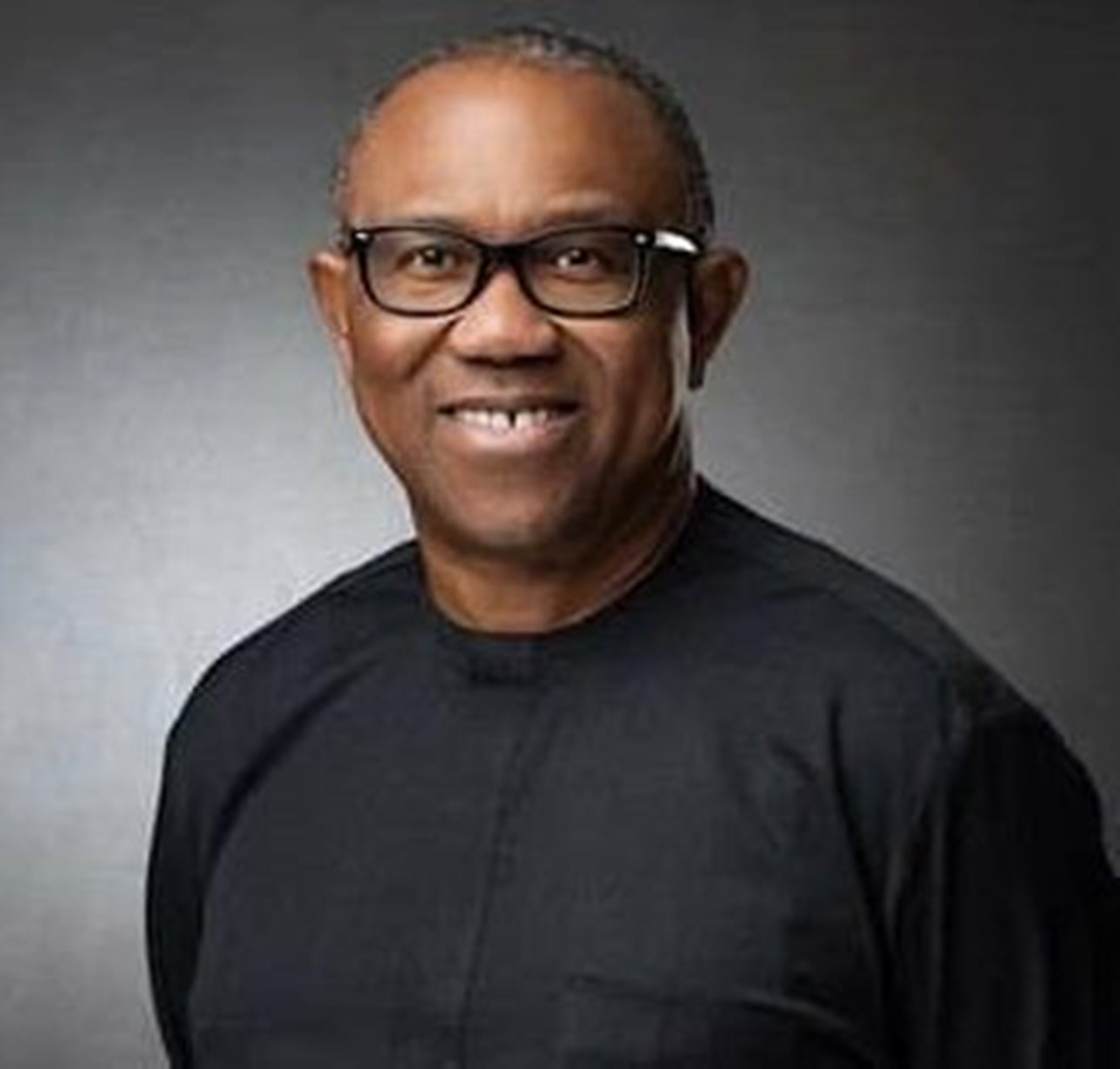

Former Anambra governor and 2023 Labour Party presidential candidate, Peter Obi, has condemned the Federal Government’s decision to raise the cost of international passports, describing it as an outrageous attack on struggling Nigerians.
The government on Thursday, August 28, 2025, announced new rates for passport issuance: a 32-page booklet now costs ₦100,000, while the 64-page option has jumped to ₦200,000. The sharp increase has ignited public anger, with critics calling it another blow to already stretched household incomes.
Reacting via his official X (Twitter) handle, Obi said the policy highlights the government’s “obsession with burdening its citizens instead of easing their suffering.” He argued that in a country where the new minimum wage stands at only ₦70,000, it is indefensible for the price of a passport to exceed a worker’s monthly salary.
“It is alarming that the cost of a single international passport is now higher than what most workers take home in a month,” Obi wrote. “Rather than lighten the load, this administration continues to push more hardship onto ordinary Nigerians.”
Obi’s criticism echoes the sentiments of many citizens who have taken to social media to vent their frustration. Civil society groups have also warned that the hike will further limit opportunities for Nigerians seeking to study, work, or do business abroad, while fueling illegal migration channels.
Policy experts argue that instead of frequent hikes in fees, the government should prioritize efficiency in service delivery and tackle corruption in the passport system. They warn that unless trust is restored, Nigerians will continue to perceive such hikes as revenue grabs rather than reforms.
The controversy has once again sharpened political divides, with Obi positioning himself as a voice for the people. His remarks are expected to fuel more debate in the coming days as labour unions and rights groups weigh in on whether the new fees should be reversed.