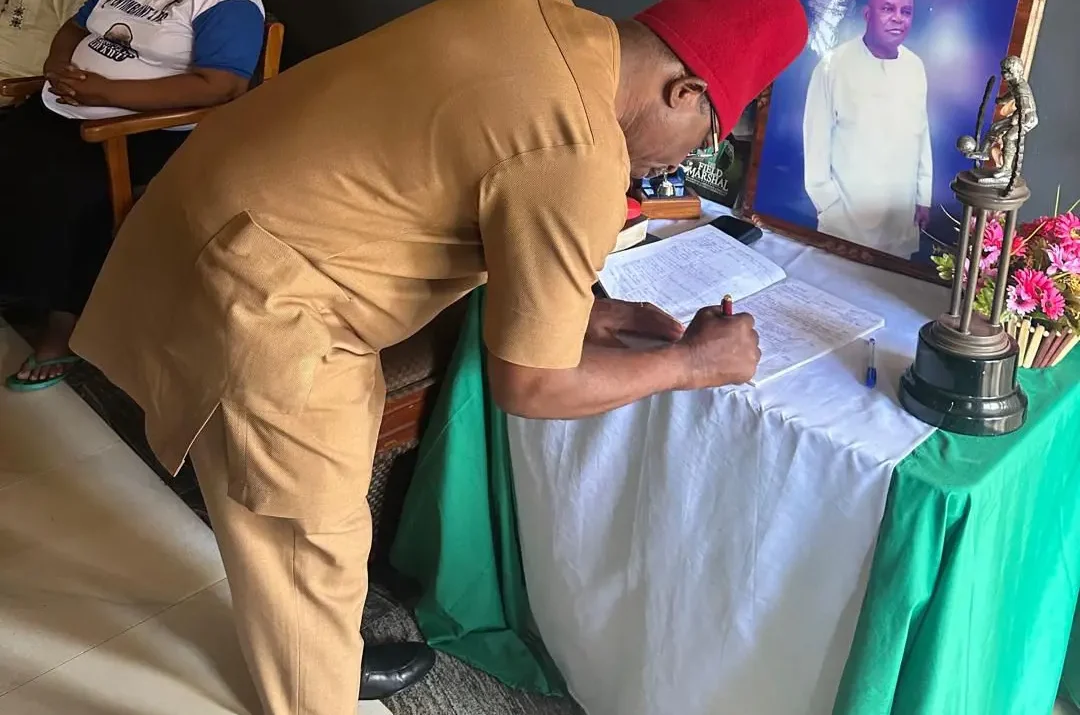

Senator Victor Umeh has called on Ndigbo across the world to immortalize the legacy of legendary Super Eagles coach and Rangers International icon, Chairman Christian Chukwu, describing him as a unifying force who brought pride, healing, and identity to the Igbo nation after the civil war. Speaking during a condolence visit to the late football hero’s family in Trans-Ekulu, Enugu, on July 6, 2025, Umeh said Chukwu’s role in post-war Nigeria must never be forgotten.
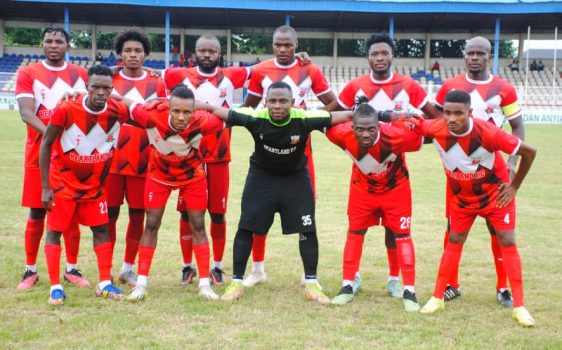
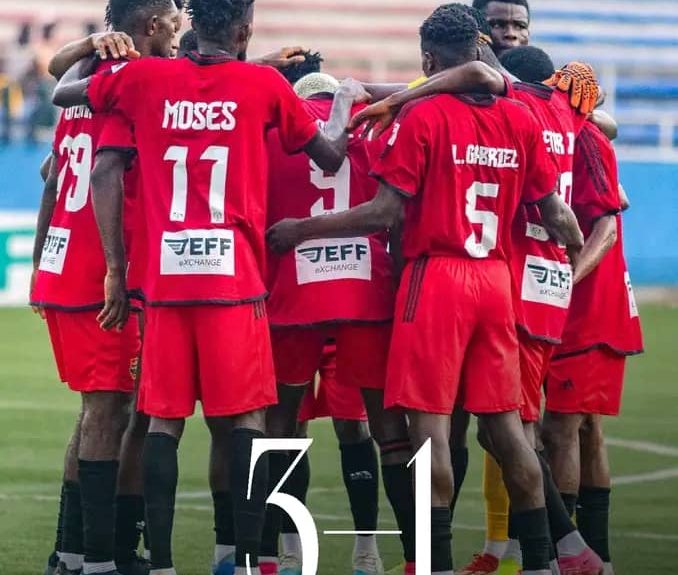
The senator, who represents Anambra Central, reminded the Igbo nation of how Rangers International Football Club, under Chukwu’s captaincy, became a symbol of hope and psychological restoration for a people battered by the 1967–1970 Biafran conflict. “Chairman Christian Chukwu made Ndigbo proud. His leadership on the pitch helped us forget the pain of war. He and his teammates became our heroes, our idols,” Umeh said after signing the condolence register.
Christian Chukwu, who passed away on June 25, 2025, at the age of 73, will be laid to rest on August 16 in his hometown of Enugu. During his prime, Chukwu led Rangers to multiple national and continental victories, including their unforgettable triumphs over IICC Shooting Stars in the 1975 Challenge Cup final and the 1977 African Cup Winners’ Cup semi-final. He later became the coach of Nigeria’s national team, guiding the Super Eagles and earning global respect for his tactical brilliance.
Umeh used the opportunity to urge wealthy and influential Igbo sons and daughters to support both the families of fallen football legends and the few surviving Rangers heroes who still carry the scars of their sacrifice. “We must not abandon those who gave us joy and unity when we had nothing else. Supporting their families is not a favour—it’s a duty,” he declared.
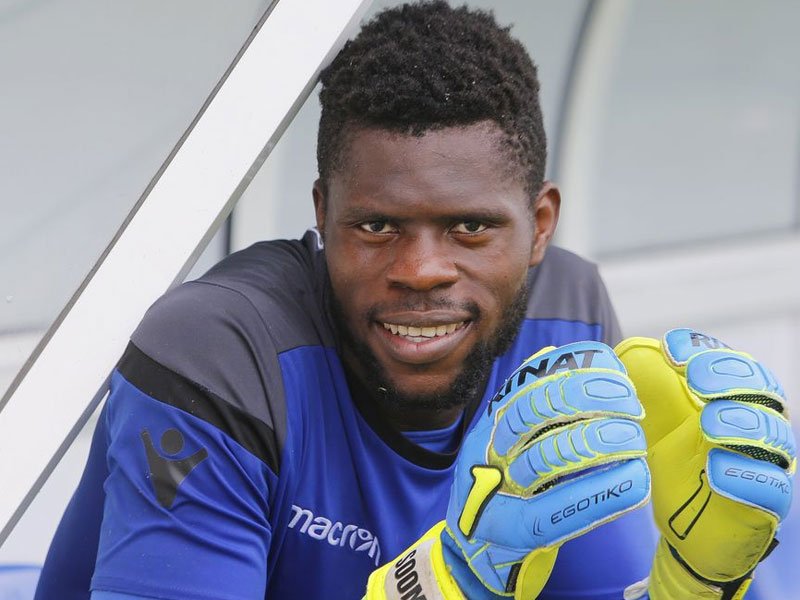
Accompanied by former Rangers secretary Barr. Chief JoeMartin Uzodike, Umeh also paid a visit to Chief Emmanuel Okala, former Rangers and Green Eagles goalkeeper. He praised Okala’s heroics during the 1970s, calling him another living symbol of Igbo strength and sports excellence. “Rangers was more than football; it was a cultural revolution. We owe them everything,” Umeh added.
Chairman of Ex-Rangers International, Pastor Igweokolo Austin, expressed deep appreciation for Umeh’s visit and solidarity, noting that such gestures offer moral and emotional strength to the bereaved families and the broader Rangers community. He described Chukwu as “the face of post-war Igbo resurgence,” and thanked Umeh for “honouring the memory of a man who gave his all for both country and culture.”
Christian Chukwu’s legacy is carved into Nigeria’s sporting history—but for the Igbo people, it’s more than that. He embodied resilience, unity, and triumph over adversity. As the countdown to his burial begins, Umeh’s message resounds: the Igbo nation must never forget those who helped them rise from the ashes of war—with their boots, their blood, and their unyielding spirit.