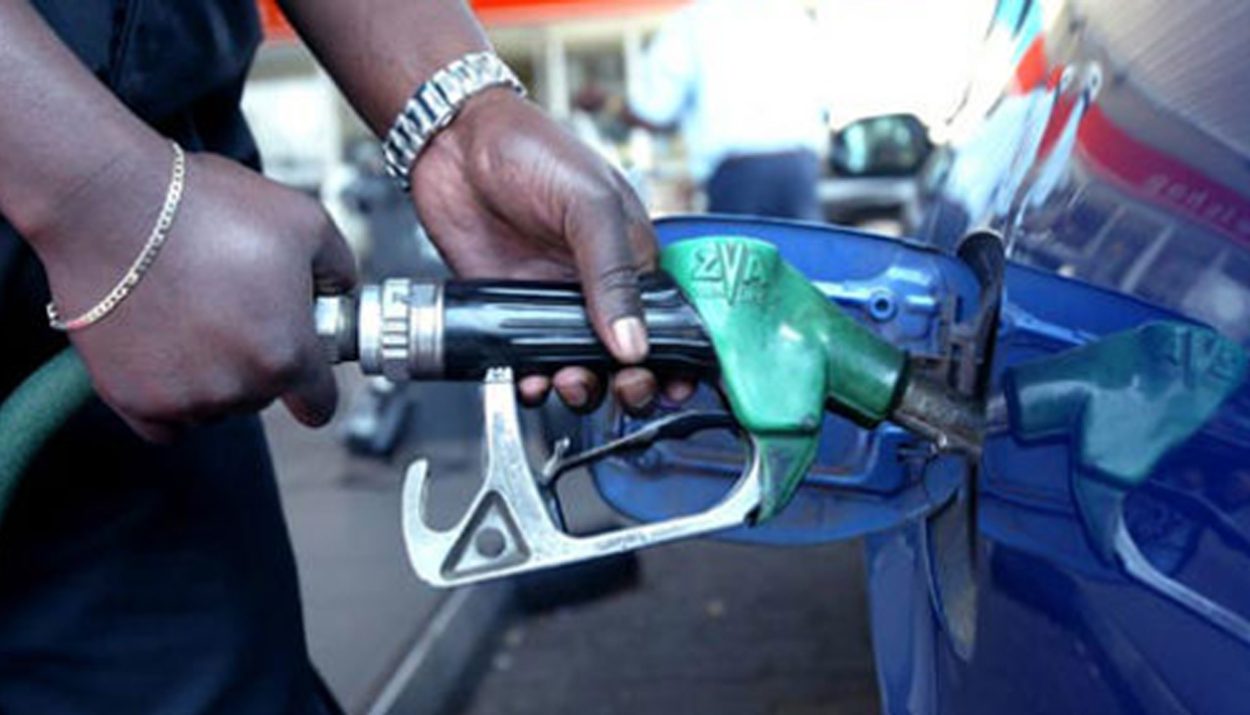

Fuel pumps across Nigeria dropped petrol prices on Tuesday, July 15, 2025, coinciding with a nationwide shutdown declared to honour former President Muhammadu Buhari. The Independent Petroleum Marketers Association of Nigeria (IPMAN) announced a reduction in pump prices following a drop in Dangote Refinery’s ex-depot rate, offering commuters a rare relief during a somber holiday.
Abubakar Maigandi, IPMAN’s national president, revealed on Monday that Abuja outlets would retail petrol for ₦900–₦920 per litre, down from ₦905–₦945, aligning local prices with Dangote’s new ₦820 per litre ex-depot benchmark. Other regions are expected to charge between ₦860 and ₦890 per litre.
Dangote Refinery has cut ex-depot prices thrice this July—from ₦880 to ₦840 and now to ₦820—creating market-wide ripple effects. Experts credit this trend to both the refinery’s growing downstream influence and recent declines in global oil prices, currently hovering around $69 per barrel for Brent crude.
IPMAN’s proactive move follows a Monday meeting in Abuja, where marketers committed to extending Dangote’s pricing benefits to consumers. Maigandi noted, “Nigerians are happy because there has been a reduction in fuel prices in the past weeks,” cementing expectations of further relief at the pumps.
This price shift aligns with broader deregulation trends transforming Nigeria’s fuel market into a competitive arena. With the removal of subsidies and Dangote’s rising dominance, consumers are beginning to see pricing tied more to supply dynamics than to state intervention—a notable shift from the subsidy era.
However, some analysts warn that Dangote’s aggressive pricing could edge smaller import-dependent marketers out of the market. Experts urge regulators to closely monitor dynamics to prevent monopoly. Market watchdogs stress that sustaining healthy competition is key to long-term affordability.
As Nigeria pauses to honour a national icon, motorists may find solace at the pump. But the real test lies ahead: can these prices hold, or will they creep back up once subsidies and market forces shift? For now, Nigerians enjoy a brief pause—and cheaper fuel—on a day of national reflection.