
Sullivan Emerald didn’t plan to be a software developer. But a failed bid for a petroleum engineering slot at Federal Polytechnic Nekede rerouted his ambition—landing him in computer science, and eventually into the fast-rising AI scene at Imo Digital City. Now coding at Adminting, a local ad-tech firm, Emerald is part of a quiet but powerful movement transforming Imo State into Nigeria’s unlikely digital vanguard.

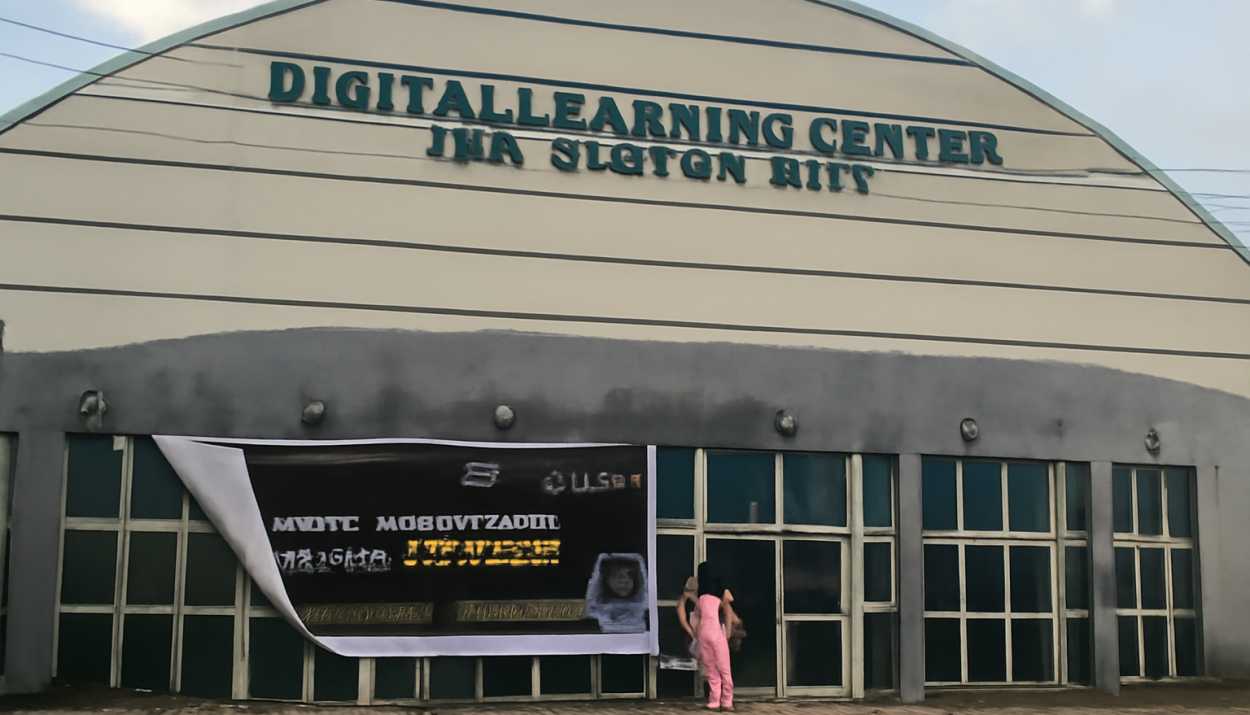
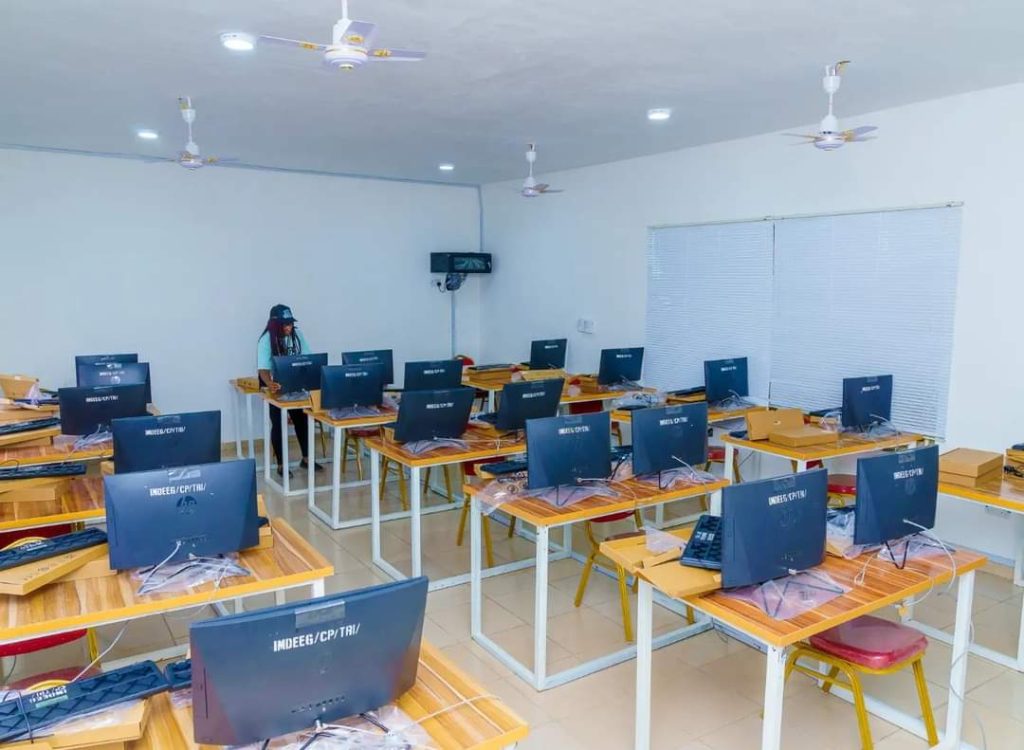
With a literacy rate climbing from 80.8% in 2010 to a projected 96.43% by the end of 2025, Imo State leads the country in educational attainment. Its digital awakening—anchored by the IDEA 2022–2026 initiative—has already trained over 40,000 young people in tech and AI-related skills. The SkillUp Imo program is producing cohorts of coders, cloud engineers, and data analysts, while new state-backed infrastructure like the Heartland Fibre Optic Company targets expanded broadband access across Owerri, Orlu, and Okigwe.
Yet the state’s ambition faces existential threats. Since 2020, escalating violence from separatist groups and criminal gangs has claimed over 650 lives. May 2025 alone saw the slaughter of 30 travelers on the Okigwe-Owerri highway. Ransom payments for kidnappings totaled ₦39 million in one year, and entire communities remain under threat. Despite visible police checkpoints and military presence, fear stalks tech hubs and campuses alike.

Imo’s AI expansion is also throttled by infrastructure gaps. While the “dig-once” fibre duct policy is advancing, the state’s 1,448 kilometers of fibre still rank among the nation’s lowest. June 2025 brought crippling fibre cuts that shut down internet access in multiple LGAs. Venture capital remains elusive, with most investors favoring Lagos or Abuja. Local startups like Frankbotics and Adminting survive on founder capital and frugal operations—despite building functional prototypes and earning six-figure foreign contracts.
Still, rural communities in Mbaise, Okigwe, and Orlu are fostering grassroots tech ecosystems. Informal coding meetups and NYSC-led peer training mirror the Igbo self-help spirit, fueling a communal model of knowledge sharing. Students learning Python in Owerri now pass skills to peers in Umuaka within days—offering a striking contrast to Lagos’ often gated tech scene.
For talents like Emerald, the desire to leave persists. “Every day, I think of relocating,” he says. “Not because of a lack of passion, but because of the constant fear.” With Imo’s unemployment rate hovering at 10.9%—among the top five in Nigeria—the risk of brain drain is real. Without stronger private sector absorption and improved security, the very skills the state is producing may become its biggest export.
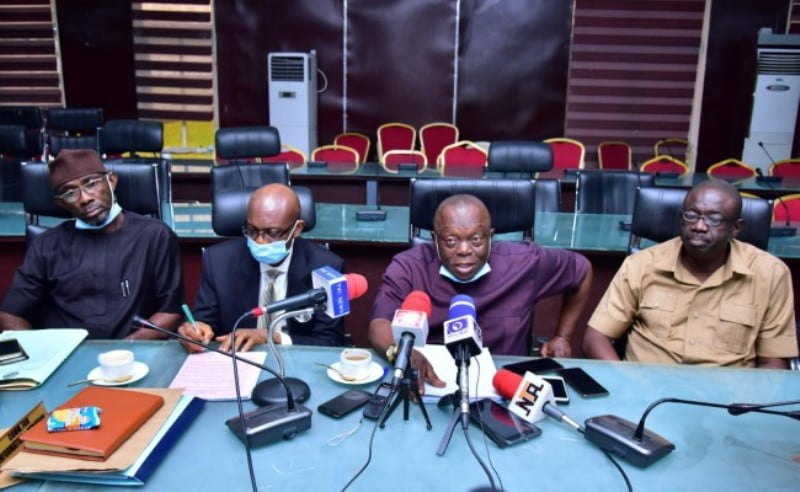
Still, leaders like Commissioner Chimezie Amadi remain optimistic. “We’re not just training people, we’re building an economy,” he insists. “If we get 60% into remote work and 40% into startups, we win.” But that win depends not only on skills or fibre—but whether Imo can overcome its demons to become the stable, secure AI capital it dares to imagine.