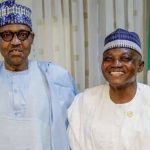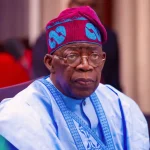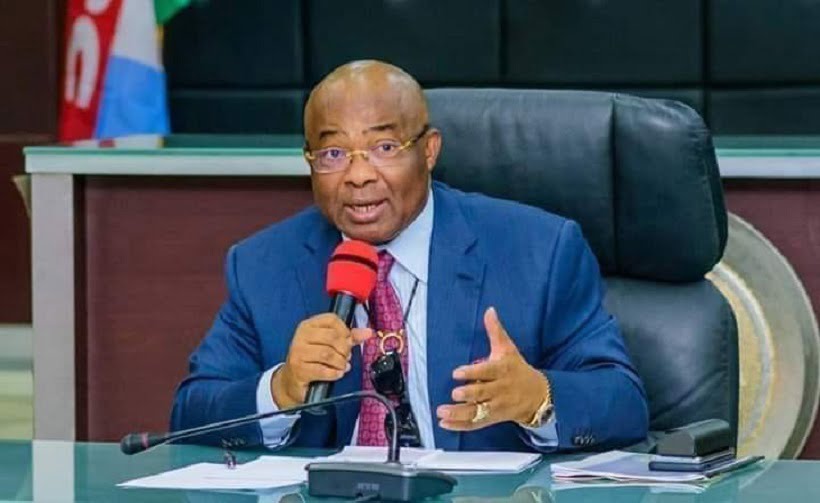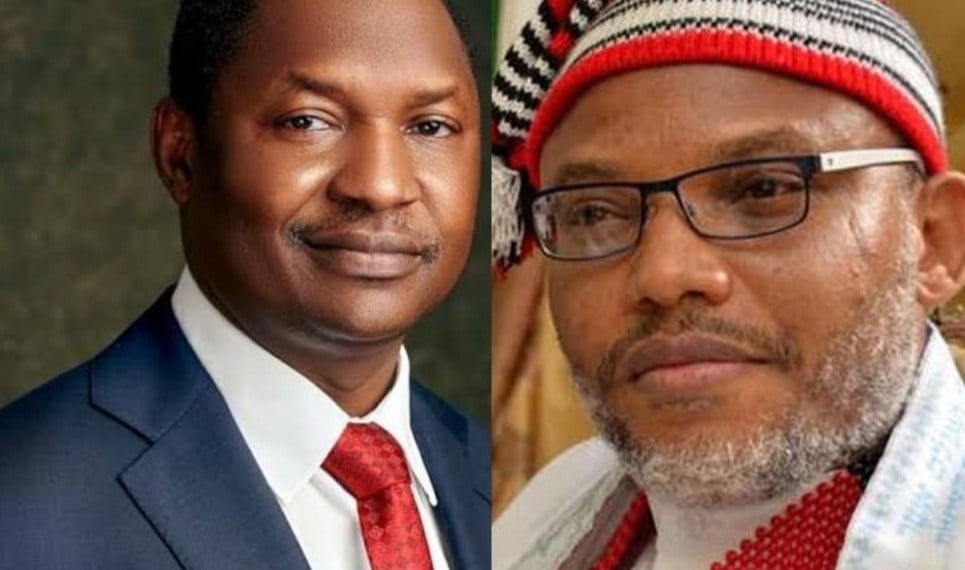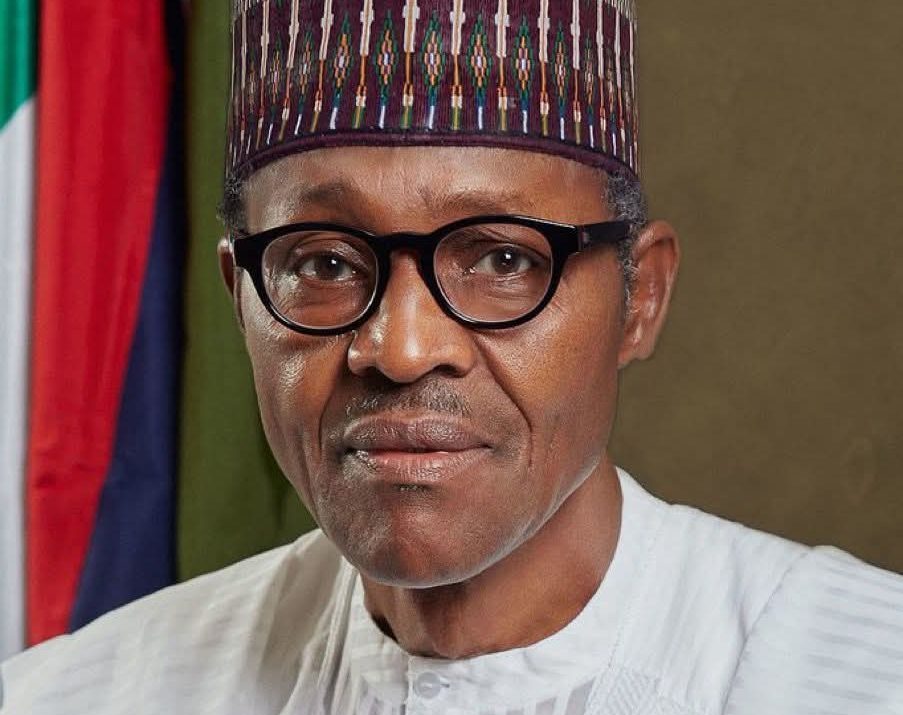

Muhammadu Buhari, Nigeria’s ex-military ruler and democratically elected president, passed away on July 13, 2025, in London after a prolonged illness, according to official statements from President Bola Tinubu’s office . Buhari, aged 82, served twice—first as a military head of state in the 1980s, then as Nigeria’s president from 2015 until 2023.
First stepping onto the national stage after a 1983 coup, Buhari’s early rule was marked by authoritarian discipline, mass deportations, and anti-indiscipline policies . Decades later, he reentered politics, running as an opposition candidate and defeating President Goodluck Jonathan in what was widely regarded as Nigeria’s most credible election .
Buhari came into the presidency on an anti-corruption and security platform, but his tenure was largely overshadowed by deepening insecurity—from Boko Haram to growing banditry—economic downturn, and two national recessions . He gained a reputation as “Baba Go Slow” for his cautious approach to governance .
Critics also targeted his government’s human rights record; notably, the 2020 #EndSARS crackdown and the controversial social media ban sparked widespread condemnation . Despite the backlash, Buhari maintained a loyal base, particularly in northern Nigeria, due to his perceived integrity and austere lifestyle .
President Tinubu’s statement described Buhari as “a patriot, a soldier, a statesman … to the very core” . Tinubu has dispatched Vice President Kashim Shettima to London to retrieve Buhari’s remains for burial in his home state of Katsina, following Islamic rites .
Buhari leaves behind a deeply divided legacy. He will be remembered for his rigid anti-corruption stance and his promise of discipline, but also for economic challenges, faltering security, and stifled freedoms. Observers say his death marks the end of a controversial era in Nigeria’s modern history .