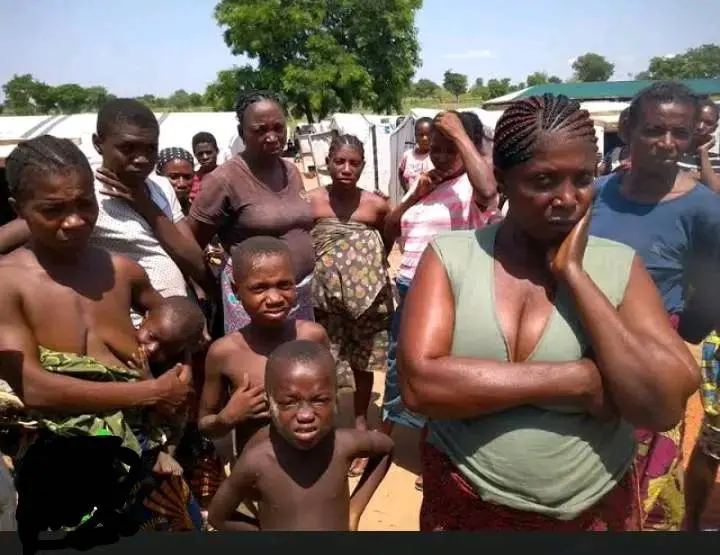

Yelewata, a once peaceful farming community along the Abuja–Makurdi highway in Benue State, now stands in ruins after suspected armed herdsmen launched a coordinated overnight assault that left over 300 people dead, hundreds of homes in ashes, and an entire people drowning in trauma.
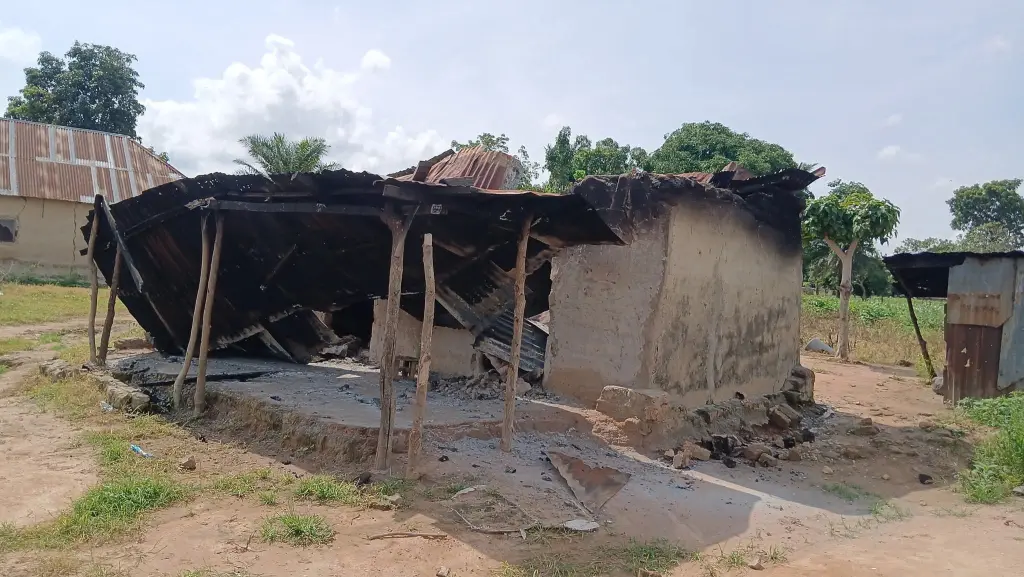
The massacre, which began on the night of Friday, June 13, 2025, and stretched into the early hours of Saturday, June 14, caught residents off guard. Families were asleep when the attackers descended with guns, machetes, and fire, targeting crowded spaces where displaced villagers were taking shelter—schools, markets, and churches. Gunfire, screams, and collapsing buildings became the soundtrack of a community’s worst nightmare.

By dawn, charred bodies were piled among burnt rooftops and smouldering farmland. “It was like a war,” said Elder Amos, 57, who lost his wife and children and managed to flee with only one son. “My world ended that Friday night.” The attack was reportedly planned, with survivors confirming that threats had been issued weeks earlier following a failed directive by Tiv and Idoma traditional rulers for herders to vacate farmlands by the end of May.

Among the victims was Pharmacist Matthew Iormba, who had just returned home after completing his housemanship in Kano. He was burnt alive along with his family the same night he came to celebrate his graduation. Tsegba Lucy, another survivor, lost her mother and five siblings when their home was set on fire. “I can’t stop crying. God, you do me strong thing,” she sobbed in grief. A footballer named Agande returned from a match in Makurdi to find both his parents and 10 family members dead—burnt beyond recognition.
Local lawyer and politician Franc Utoo confirmed that intelligence about the impending attack had been passed to security operatives days before. “We knew they were planning something. They were to come through Nasarawa—Obi, Doma, Keana. We warned the police, but nothing happened.” According to Utoo, many villagers avoided sleeping at home, instead seeking refuge in schools, markets, and churches. Those locations, unfortunately, became mass killing fields.
Despite overwhelming visual evidence and survivor testimonies, official figures released by Governor Hyacinth Alia’s office claimed only 59 people were killed. This has provoked outrage. “In my family alone, 33 people were murdered. The governor is underreporting,” said a youth leader in Daudu. A list provided by Franc Utoo recorded 127 known victims, with many still unidentified due to the scale of the carnage and influx of displaced persons from surrounding villages.
Public outrage intensified after President Tinubu’s spokesman, Bayo Onanuga, described the massacre as a “reprisal attack”—a comment Utoo and others have blasted as offensive and devoid of empathy. “From beginning to end, there was no mention of arresting anyone. No mention of compensation. Just peace and reconciliation between ‘warring parties.’ What war?” he asked. Even the Pope, in a Sunday address from Rome, described the event as a “terrible massacre,” calling for urgent protection of vulnerable Christian communities.
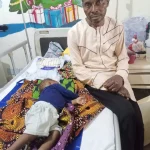
Right now, Yelewata is grieving, burying, and asking if the world is listening. Survivors like Aya Targule, who was reunited with his 10-month-old son days after the attack, and many others, continue to grapple with unspeakable loss. With charred homes, orphaned children, and unanswered questions, Benue stands at a crossroads—one where justice, memory, and action must rise from the ashes.