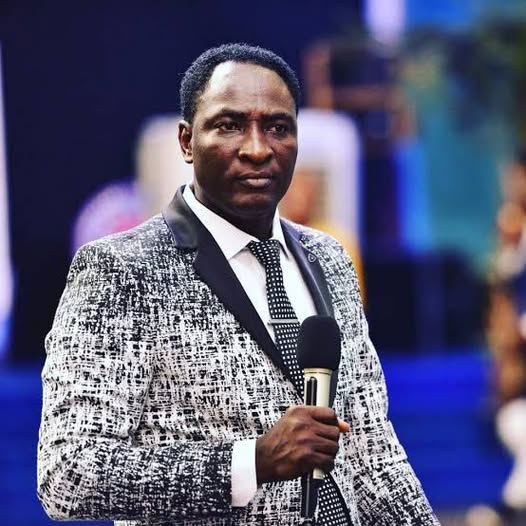

A storm of outrage is brewing online after Prophet Jeremiah Omoto Fufeyin, founder of Christ Mercyland Deliverance Ministry, claimed that paying one’s “first fruit” offering to God would result in total forgiveness of sins—even for those involved in fraudulent activities like 419. The controversial statement was made during a service streamed live to his congregation on Sunday, June 22, 2025.
“If you pay your first fruit, your sins will be washed away. Even if you’re doing 419, Yahoo, or anything at all, God will be behind you,” the Delta State-based preacher declared from the pulpit, drawing applause from members of his congregation. The video of the sermon has since gone viral, sparking nationwide condemnation.
Fufeyin, who is no stranger to sensational theology, doubled down on his claim by insisting that giving to God secures divine protection and breakthrough—regardless of a person’s actions. “People misunderstand grace,” he said. “You can be doing bad things, but if your first fruit is genuine, God knows your heart and will defend you.”
Clips from the sermon have drawn fierce backlash from religious leaders, critics, and activists who accuse Fufeyin of promoting a dangerous blend of prosperity gospel and moral decay. The Christian Association of Nigeria (CAN) has yet to respond officially, but several pastors have called the statement “blasphemous” and “doctrinally bankrupt.”
Social media users have erupted with scathing remarks, accusing the preacher of encouraging criminality. “So church is now a money-laundering center for fraudsters?” one user posted. Others questioned the silence of regulatory authorities over what they described as “the commercialization of grace.”
Fufeyin’s supporters, however, defended him, claiming he was misquoted or misunderstood. Some argued that he was only emphasizing the power of sacrifice and redemption—not condoning sin. Yet, the preacher himself has not retracted or clarified his statement, and his media team has refused to comment.
The message has sparked renewed debates about accountability, the manipulation of scripture by influential church figures, and the growing trend of churches becoming havens for wealthy, morally-questionable individuals seeking spiritual cover. Calls are growing for deeper scrutiny into Nigeria’s prosperity-driven pulpits and the blurred lines between faith and fraud.