
El Niño 2026–2027: Could Nigeria Face More Heat, Food Pressure and Water Challenges?
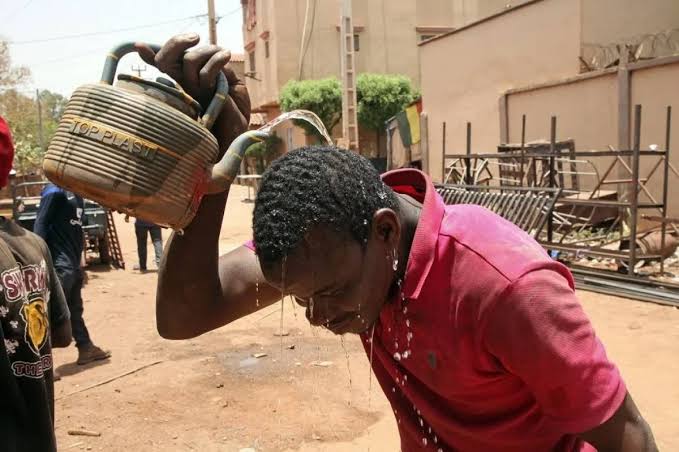
Nigerians are already battling electricity challenges, rising fuel prices, expensive food and increasing rents. Now, another concern is emerging: the possibility that changing global weather patterns could bring additional pressure on households, farmers and businesses.
The climate phenomenon attracting attention is El Niño, which occurs when sea surface temperatures in parts of the central and eastern tropical Pacific Ocean become unusually warm. The resulting changes in atmospheric circulation can influence weather patterns across the world.
Scientists have warned that the 2026–2027 period could bring a significant El Niño event. However, what this would mean for Nigeria remains uncertain, and its actual effects will depend on the event’s strength, timing and interaction with regional weather conditions.
So, what could Nigerians experience if the phenomenon contributes to unfavourable local weather?
Higher temperatures and greater heat stress
One potential concern is increased heat. If temperatures rise, people working outdoors, older adults and other vulnerable groups could face greater risks of heat-related illness.
Imagine navigating Lagos traffic in the afternoon with little breeze, an air conditioner struggling to cope and fuel prices making generator use more expensive. For many households, additional heat could mean greater discomfort and higher cooling costs.
However, El Niño does not automatically mean every part of Nigeria will experience unusually high temperatures. Local forecasts will be important in determining where and when the risks may be greatest.
Food production and household expenses
Rainfall patterns are another concern. If farming communities experience unfavourable rainfall or prolonged dry spells, crop production could suffer. Livestock may also face water shortages, potentially putting additional pressure on food supplies and prices.
For a country where many households already spend a substantial share of their income on food, any weather-related disruption to agricultural production could create further difficulties.
Farmers will need timely weather information to make informed decisions about planting dates, suitable crop varieties and water management. The actual effects on harvests, however, will depend on local conditions rather than the El Niño label alone.
Water supply and electricity demand
Hotter conditions can increase demand for water and electricity, particularly as households and businesses seek ways to stay cool. Communities that already struggle with reliable water supplies could face additional pressure if dry conditions develop.
Unreliable electricity could make the situation more difficult for households, offices, hospitals and businesses that depend on cooling systems and other essential equipment.
For facility managers, this is a reminder that water storage, drainage, generator maintenance, ventilation and energy efficiency are important parts of business continuity planning.
What should Nigerians do to prepare?
Households can take practical steps without panicking. Drinking sufficient water, limiting prolonged exposure to intense heat and checking on elderly relatives and vulnerable neighbours can help reduce heat-related risks.
Families should also store water safely, fix leaking taps and keep an eye on official weather advisories. Farmers can follow local forecasts and consider appropriate water-saving practices and crop varieties suited to expected conditions.
Businesses, estates and public institutions should inspect roofs and drainage systems, service pumps and backup power equipment, and prepare for possible heat-related equipment failures.
The Nigerian Meteorological Agency (NiMet) remains an important source of local weather information. Nigerians should rely on credible forecasts rather than alarming social media messages predicting that the country will become a desert overnight.
Can the government respond effectively?
Preparing for climate-related risks requires more than public announcements. Federal and state governments need to communicate timely weather warnings, provide farmers with useful climate information, maintain drainage infrastructure, support vulnerable communities and coordinate emergency responses.
Local authorities should address drainage problems before flooding occurs, while agricultural and emergency agencies need plans that can be activated before weather-related disruptions become severe.
Effective preparation depends on planning, funding, coordination and accountability. Early action can help reduce losses, protect livelihoods and limit the cost of responding to emergencies.
There is still room for hope
A strong El Niño does not automatically mean disaster for Nigeria. Its effects vary by region and season, and local outcomes cannot be determined from the global phenomenon alone.
For individuals, preparation means staying informed and making sensible adjustments. For businesses, it means identifying vulnerabilities and planning ahead. For government, it means translating scientific forecasts into practical measures before a crisis develops.
Nigeria already has enough challenges without adding avoidable ones. We may not be able to tell the sun to reduce its working hours, but we can prepare our homes, businesses and communities for changing weather conditions.
Because in this country, we already have enough hot situations. We do not need the weather adding another one.
Till next time, stay hydrated and stay safe.